S.I. No. 299/2007 - Safety, Health and Welfare at Work (General Application) Regulations 2007
Arrangement of Regulations | |||||||||||||||||||||||||||||||||||||||||||||||||||||||||||
SAFETY, HEALTH AND WELFARE AT WORK (GENERAL APPLICATION) REGULATIONS 2007 | |||||||||||||||||||||||||||||||||||||||||||||||||||||||||||
I, Tony Killeen, Minister of State at the Department of Enterprise, Trade and Employment, in exercise of powers conferred on me by section 58 of the Safety, Health and Welfare at Work Act 2005 (No. 10 of 2005) and the Enterprise, Trade and Employment (Delegation of Ministerial Functions) Order 2005 (S.I. No. 316 of 2005), after consultation with the Health and Safety Authority, hereby make the following regulations- | |||||||||||||||||||||||||||||||||||||||||||||||||||||||||||
|
Part 1 Interpretation and General | |||||||||||||||||||||||||||||||||||||||||||||||||||||||||||
|
Citation and commencement. | 1. (1) These Regulations may be cited as the Safety, Health and Welfare at Work (General Application) Regulations 2007. | ||||||||||||||||||||||||||||||||||||||||||||||||||||||||||
(2) These Regulations come into operation on 1 November 2007. | |||||||||||||||||||||||||||||||||||||||||||||||||||||||||||
|
Interpretation. | 2. (1) In these Regulations: | ||||||||||||||||||||||||||||||||||||||||||||||||||||||||||
“Act” means the Safety, Health and Welfare at Work Act 2005 (No. 10 of 2005); | |||||||||||||||||||||||||||||||||||||||||||||||||||||||||||
“lifting equipment” means work equipment for lifting, lowering loads or pile driving, and includes anything used for anchoring, fixing or supporting such equipment; | |||||||||||||||||||||||||||||||||||||||||||||||||||||||||||
“personal protective equipment” means all equipment designed to be worn or held by an employee for protection against one or more hazards likely to endanger the employee's safety and health at work, and includes any additions and accessories to the equipment, if so designed, but does not include— | |||||||||||||||||||||||||||||||||||||||||||||||||||||||||||
(a) ordinary working clothes and uniforms not specifically designed to protect the safety and health of an employee, | |||||||||||||||||||||||||||||||||||||||||||||||||||||||||||
(b) personal protective equipment for the purposes of road transport, | |||||||||||||||||||||||||||||||||||||||||||||||||||||||||||
(c) sports equipment, | |||||||||||||||||||||||||||||||||||||||||||||||||||||||||||
(d) self-defence equipment or deterrent equipment, or | |||||||||||||||||||||||||||||||||||||||||||||||||||||||||||
(e) portable devices for detecting and signalling risks and nuisances; | |||||||||||||||||||||||||||||||||||||||||||||||||||||||||||
“public road” means a road the responsibility for the maintenance of which lies on a road authority; | |||||||||||||||||||||||||||||||||||||||||||||||||||||||||||
“road authority” means a county council, a city council or a town council (within the meaning of the Local Government Act 2001 (No. 37 of 2001)) other than the council of a town mentioned in Part 2 of Schedule 6 to that Act; | |||||||||||||||||||||||||||||||||||||||||||||||||||||||||||
“work equipment” means any machinery, appliance, apparatus, tool or installation for use at work. | |||||||||||||||||||||||||||||||||||||||||||||||||||||||||||
(2) An employer shall ensure that, where activities mentioned in sections 6 and 11(5) of the Act are being carried out, the safety, health and welfare of the employer's employees are protected as far as possible, taking account of the relevant statutory provisions. | |||||||||||||||||||||||||||||||||||||||||||||||||||||||||||
(3) Without prejudice to the generality of section 19 of the Act, an employer shall, in identifying hazards and assessing risks under that section, take account of particular risks if any, affecting employees working alone at the place of work or working in isolation at remote locations. | |||||||||||||||||||||||||||||||||||||||||||||||||||||||||||
(4) Any reference in these Regulations to provisions encompassed in the generality of the Act shall be without prejudice to the requirements of those provisions in the Act. | |||||||||||||||||||||||||||||||||||||||||||||||||||||||||||
|
Revocations and savings. | 3. (1) The following are revoked: | ||||||||||||||||||||||||||||||||||||||||||||||||||||||||||
(a) Factories (Report of Examination of Hoists and Lifts) Regulations 1956 ( S.I. No. 182 of 1956 ), | |||||||||||||||||||||||||||||||||||||||||||||||||||||||||||
(b) Factories Act 1955 (Hoists and Lifts) (Exemption) Order 1957 ( S.I. No. 80 of 1957 ), | |||||||||||||||||||||||||||||||||||||||||||||||||||||||||||
(c) Factories Act 1955 (Lifts) (Exemption) Order 1960 ( S.I. No. 129 of 1960 ), | |||||||||||||||||||||||||||||||||||||||||||||||||||||||||||
(d) Regulations 22 to 35 and 37 and 38 and the Schedule to the Docks (Safety, Health and Welfare) Regulations 1960 ( S.I. No. 279 of 1960 ), | |||||||||||||||||||||||||||||||||||||||||||||||||||||||||||
(e) Factories Act, 1955 (Hoistways) (Exemption) Order 1962 ( S.I. No. 211 of 1962 ), | |||||||||||||||||||||||||||||||||||||||||||||||||||||||||||
(f) Quarries (Electricity) Regulations 1972 ( S.I. No. 50 of 1972 ), | |||||||||||||||||||||||||||||||||||||||||||||||||||||||||||
(g) Mines (Electricity) Regulations 1972 ( S.I. No. 51 of 1972 ), | |||||||||||||||||||||||||||||||||||||||||||||||||||||||||||
(h) Quarries (General) Regulations 1974 ( S.I. No. 146 of 1974 ) to the extent of in Regulation 3, the definitions of “lifting appliance” and “safe working load” Regulations 40 and 41, in the First Schedule “FORM No. 3” and “FORM No. 5” and the Second Schedule, | |||||||||||||||||||||||||||||||||||||||||||||||||||||||||||
(i) Shipbuilding and Ship-Repairing (Safety, Health and Welfare) Regulations 1975 ( S.I. No. 322 of 1975 ) to the extent of in Regulation 3(1), the definitions of “lifting equipment” and “lifting gear” and Regulations 32 to 48, | |||||||||||||||||||||||||||||||||||||||||||||||||||||||||||
(j) Factories Act 1955 (Hoistways) (Exemption) Order 1976 ( S.I. No. 236 of 1976 ), | |||||||||||||||||||||||||||||||||||||||||||||||||||||||||||
(k) Factories Act 1955 (Hoists) (Exemption) Order 1977 ( S.I. No. 13 of 1977 ), | |||||||||||||||||||||||||||||||||||||||||||||||||||||||||||
(l) Mines (Electricity) (Amendment) Regulations 1979 ( S.I. No. 125 of 1979 ), | |||||||||||||||||||||||||||||||||||||||||||||||||||||||||||
(m) Quarries (Electricity) (Amendment) Regulations 1979 ( S.I. No. 126 of 1979 ), | |||||||||||||||||||||||||||||||||||||||||||||||||||||||||||
(n) Safety in Industry Acts 1955 and 1980 (Hoists and Hoistways) (Exemption) Order 1985 ( S.I. No. 100 of 1985 ), | |||||||||||||||||||||||||||||||||||||||||||||||||||||||||||
(o) Safety, Health and Welfare at Work (General Application) Regulations 1993 ( S.I. No. 44 of 1993 ), other than Part X and the Twelfth Schedule, | |||||||||||||||||||||||||||||||||||||||||||||||||||||||||||
(p) Safety, Health and Welfare at Work (Signs) Regulations 1995 ( S.I. No. 132 of 1995 ), | |||||||||||||||||||||||||||||||||||||||||||||||||||||||||||
(q) Safety, Health and Welfare at Work (Miscellaneous Welfare Provisions Regulations 1995 ( S.I. No. 358 of 1995 ), | |||||||||||||||||||||||||||||||||||||||||||||||||||||||||||
(r) Safety, Health and Welfare at Work (Children and Young Persons) Regulations 1998 ( S.I. No. 504 of 1998 ), | |||||||||||||||||||||||||||||||||||||||||||||||||||||||||||
(s) Safety, Health and Welfare at Work (Night Work and Shift Work) Regulations 2000 ( S.I. No. 11 of 2000 ), | |||||||||||||||||||||||||||||||||||||||||||||||||||||||||||
(t) Safety, Health and Welfare at Work (Pregnant Employees etc.) Regulations 2000 ( S.I. No. 218 of 2000 ), | |||||||||||||||||||||||||||||||||||||||||||||||||||||||||||
(u) Safety, Health and Welfare at Work (General Application) (Amendment Regulations 2001 ( S.I. No. 188 of 2001 ), | |||||||||||||||||||||||||||||||||||||||||||||||||||||||||||
(v) Regulations 80 to 123 of the Safety, Health and Welfare at Work (Construction Regulations 2001 ( S.I. No. 481 of 2001 ), | |||||||||||||||||||||||||||||||||||||||||||||||||||||||||||
(w) Safety, Health and Welfare at Work (Explosive Atmospheres) Regulations 2003 ( S.I. No. 258 of 2003 ), | |||||||||||||||||||||||||||||||||||||||||||||||||||||||||||
(x) Safety, Health and Welfare at Work (Work at Height) Regulations 2006 ( S.I. No. 318 of 2006 ), | |||||||||||||||||||||||||||||||||||||||||||||||||||||||||||
(y) Safety, Health and Welfare at Work (Control of Vibration at Work) Regulations 2006 ( S.I. No. 370 of 2006 ), and | |||||||||||||||||||||||||||||||||||||||||||||||||||||||||||
(z) Safety, Health and Welfare at Work (Control of Noise at Work) Regulations 2006 ( S.I. No. 371 of 2006 ), except Regulation 11(3) of those Regulations. | |||||||||||||||||||||||||||||||||||||||||||||||||||||||||||
(2) Regulation 11(3) of the Safety, Health and Welfare at Work (Control of Noise at Work Regulations 2006 ( S.I. No. 371 of 2006 ) is revoked on 14 February, 2008. | |||||||||||||||||||||||||||||||||||||||||||||||||||||||||||
|
Part 2 Workplace and Work Equipment | |||||||||||||||||||||||||||||||||||||||||||||||||||||||||||
|
Chapter 1 — Workplace | |||||||||||||||||||||||||||||||||||||||||||||||||||||||||||
|
Interpretation for Chapter 1. | 4. In this Chapter— | ||||||||||||||||||||||||||||||||||||||||||||||||||||||||||
“place of work” means a place of work intended to house workstations on the premises of an undertaking and any other place within the area of the undertaking to which an employee has access in the course of his or her employment but does not include— | |||||||||||||||||||||||||||||||||||||||||||||||||||||||||||
(a) means of transport used outside the undertaking or a place of work inside a means of transport, | |||||||||||||||||||||||||||||||||||||||||||||||||||||||||||
(b) temporary or mobile work sites, including construction sites, | |||||||||||||||||||||||||||||||||||||||||||||||||||||||||||
(c) extractive industries, | |||||||||||||||||||||||||||||||||||||||||||||||||||||||||||
(d) fishing boats, | |||||||||||||||||||||||||||||||||||||||||||||||||||||||||||
(e) fields, woods and land forming part of an agricultural or forestry undertaking but situated away from the undertaking's buildings. | |||||||||||||||||||||||||||||||||||||||||||||||||||||||||||
|
Stability and solidity. | 5. An employer shall ensure that buildings which house places of work shall have a structure and solidity appropriate to the nature of their use. | ||||||||||||||||||||||||||||||||||||||||||||||||||||||||||
|
Ventilation of enclosed places of work. | 6. An employer shall ensure that— | ||||||||||||||||||||||||||||||||||||||||||||||||||||||||||
(a) sufficient fresh air is provided in enclosed places of work, having regard to the working methods used and the physical demands placed on the employer's employees, | |||||||||||||||||||||||||||||||||||||||||||||||||||||||||||
(b) if a forced ventilation system is used, it is maintained in working order and any breakdown is indicated by a control system if necessary for the safety and health of employees, | |||||||||||||||||||||||||||||||||||||||||||||||||||||||||||
(c) if air-conditioning or mechanical ventilation installations are used, they operate in such a way that employees are not exposed to draughts which cause discomfort, and | |||||||||||||||||||||||||||||||||||||||||||||||||||||||||||
(d) any deposit or dirt likely to create an immediate danger to the safety and health of employees by polluting the atmosphere is removed without delay. | |||||||||||||||||||||||||||||||||||||||||||||||||||||||||||
|
Room temperature. | 7. (1) An employer shall ensure that— | ||||||||||||||||||||||||||||||||||||||||||||||||||||||||||
(a) during working hours, the temperature in rooms containing workstations is appropriate for human beings, having regard to the working methods being used and the physical demands placed on the employees, | |||||||||||||||||||||||||||||||||||||||||||||||||||||||||||
(b) for sedentary office work, a minimum temperature of 17.5°C, so far as is reasonably practicable, is achieved and maintained at every workstation after the first hour's work, | |||||||||||||||||||||||||||||||||||||||||||||||||||||||||||
(c) for other sedentary work, at every workstation where a substantial proportion of the work is done sitting and does not involve serious physical effort, a minimum temperature of 16°C is, so far as is reasonably practicable, achieved and maintained after the first hour's work, | |||||||||||||||||||||||||||||||||||||||||||||||||||||||||||
(d) means are available to enable persons at work to measure the temperature in any workplace inside a building, | |||||||||||||||||||||||||||||||||||||||||||||||||||||||||||
(e) the temperature in rest areas, rooms for duty staff, sanitary facilities, canteens and first-aid rooms is appropriate to the particular purpose of such areas, and | |||||||||||||||||||||||||||||||||||||||||||||||||||||||||||
(f) in relation to windows, skylights and glass partitions, excessive effects of sunlight are avoided in places of work, having regard to the nature of the work and the characteristics of the place of work. | |||||||||||||||||||||||||||||||||||||||||||||||||||||||||||
(2) The temperature referred to in paragraphs (1)(b) and (c) shall be a dry bulb temperature taken at the working position of the employee at 1.1 m above the floor surface. | |||||||||||||||||||||||||||||||||||||||||||||||||||||||||||
(3) Where, due to process requirements, a workplace temperature below 16°C is necessary the employer shall assess the risks and take any necessary measures to ensure the safety health and welfare of the employer's employees. | |||||||||||||||||||||||||||||||||||||||||||||||||||||||||||
|
Natural and artificial lighting. | 8. An employer shall ensure that— | ||||||||||||||||||||||||||||||||||||||||||||||||||||||||||
(a) places of work receive, as far as possible, sufficient natural light and are equipped with artificial lighting adequate for the protection of the safety and health of the employer's employees, | |||||||||||||||||||||||||||||||||||||||||||||||||||||||||||
(b) lighting installations in rooms containing workstations and in passageways are placed in such a way that there is no risk of accident to the employer's employees as a result of the type of lighting fitted, and | |||||||||||||||||||||||||||||||||||||||||||||||||||||||||||
(c) places of work in which the employer's employees are especially exposed to risks in the event of failure of artificial lighting are provided with emergency lighting of adequate intensity. | |||||||||||||||||||||||||||||||||||||||||||||||||||||||||||
|
Floors, walls, ceilings and roofs of rooms. | 9. (1) An employer shall ensure that— | ||||||||||||||||||||||||||||||||||||||||||||||||||||||||||
(a) the floors of rooms have no dangerous bumps, holes or slopes and are fixed, stable and, so far as is reasonably practicable, not slippery, | |||||||||||||||||||||||||||||||||||||||||||||||||||||||||||
(b) the surfaces of floors, walls and ceilings in rooms are such that they can be cleaned or refurbished to an appropriate standard of hygiene, | |||||||||||||||||||||||||||||||||||||||||||||||||||||||||||
(c) access to roofs and suspended ceilings made of materials of insufficient strength is not permitted unless— | |||||||||||||||||||||||||||||||||||||||||||||||||||||||||||
(i) equipment is provided to ensure that the work can be carried out in a safe manner, and | |||||||||||||||||||||||||||||||||||||||||||||||||||||||||||
(ii) appropriate warning signs in accordance with Part 7, Chapter 1 are placed at such access points, | |||||||||||||||||||||||||||||||||||||||||||||||||||||||||||
(d) transparent and translucent walls, in particular all-glass partitions, in rooms or in the vicinity of workstations and traffic routes are— | |||||||||||||||||||||||||||||||||||||||||||||||||||||||||||
(i) clearly indicated, | |||||||||||||||||||||||||||||||||||||||||||||||||||||||||||
(ii) made of safety material, or | |||||||||||||||||||||||||||||||||||||||||||||||||||||||||||
(iii) shielded from such places or traffic routes, | |||||||||||||||||||||||||||||||||||||||||||||||||||||||||||
to prevent employees from coming into contact with the walls or being injured should the walls shatter, and | |||||||||||||||||||||||||||||||||||||||||||||||||||||||||||
(e) places of work containing workstations are adequately thermally insulated, bearing in mind the type of undertaking involved and the physical activity of the employees. | |||||||||||||||||||||||||||||||||||||||||||||||||||||||||||
(2) Paragraph (1)(e) does not apply to places of work in use prior to 31 December 1992 except as regards modifications, extensions or conversions made after that date. | |||||||||||||||||||||||||||||||||||||||||||||||||||||||||||
|
Windows and skylights. | 10. An employer shall ensure that— | ||||||||||||||||||||||||||||||||||||||||||||||||||||||||||
(a) where it is possible for employees to open, close, adjust or secure windows skylights and ventilators— | |||||||||||||||||||||||||||||||||||||||||||||||||||||||||||
(i) it may be done safely, and | |||||||||||||||||||||||||||||||||||||||||||||||||||||||||||
(ii) when open, such windows, skylights and ventilators are not positioned so as to constitute a hazard to employees, and | |||||||||||||||||||||||||||||||||||||||||||||||||||||||||||
(b) windows and skylights can be cleaned without risk to the safety, health or welfare of persons carrying out this work or of other persons present— | |||||||||||||||||||||||||||||||||||||||||||||||||||||||||||
(i) by design, | |||||||||||||||||||||||||||||||||||||||||||||||||||||||||||
(ii) by being fitted with devices, or | |||||||||||||||||||||||||||||||||||||||||||||||||||||||||||
(iii) in conjunction with the use of equipment. | |||||||||||||||||||||||||||||||||||||||||||||||||||||||||||
|
Doors and gates. | 11. An employer shall ensure that— | ||||||||||||||||||||||||||||||||||||||||||||||||||||||||||
(a) the position, number and dimensions of doors and gates, and the materials used in their construction, are determined by the nature and use of the rooms or areas and are appropriate for the safety, health and welfare of employees, | |||||||||||||||||||||||||||||||||||||||||||||||||||||||||||
(b) swing doors and swing gates are transparent or have see-through panels, | |||||||||||||||||||||||||||||||||||||||||||||||||||||||||||
(c) transparent doors are appropriately marked at a conspicuous level, | |||||||||||||||||||||||||||||||||||||||||||||||||||||||||||
(d) if transparent or translucent surfaces in doors and gates are not made of safety material and, if there is a danger that employees may be injured if a door or gate should shatter, the surfaces are protected against breakage, | |||||||||||||||||||||||||||||||||||||||||||||||||||||||||||
(e) sliding doors and sliding gates are fitted with a safety device to prevent them from being derailed or falling over, | |||||||||||||||||||||||||||||||||||||||||||||||||||||||||||
(f) doors and gates opening upwards are fitted with a mechanism to secure them against falling back, | |||||||||||||||||||||||||||||||||||||||||||||||||||||||||||
(g) there are doors or gates for pedestrian traffic in the immediate vicinity of gates intended primarily for vehicle traffic, unless it is safe for pedestrians to pass through, and such doors or gates are clearly marked and kept unobstructed at all times, and | |||||||||||||||||||||||||||||||||||||||||||||||||||||||||||
(h) mechanical doors and gates— | |||||||||||||||||||||||||||||||||||||||||||||||||||||||||||
(i) function in such a way that there is no risk of accident to employees, | |||||||||||||||||||||||||||||||||||||||||||||||||||||||||||
(ii) are fitted with easily identifiable and accessible emergency shut-down devices, and | |||||||||||||||||||||||||||||||||||||||||||||||||||||||||||
(iii) can be opened manually where they operate as an emergency exit, unless they open automatically in the event of a power failure. | |||||||||||||||||||||||||||||||||||||||||||||||||||||||||||
|
Emergency routes and exits. | 12. Without predjudice to section 11 of the Act, the Fire Services Acts 1981 and 2003 (No. 30 of 1981 and No.15 of 2003) and other relevant legislation, an employer shall ensure that— | ||||||||||||||||||||||||||||||||||||||||||||||||||||||||||
(a) emergency routes to emergency exits and the exits themselves are kept clear at all times and lead as directly as possible to the open air or to a safe area, | |||||||||||||||||||||||||||||||||||||||||||||||||||||||||||
(b) in the event of danger, it is possible for employees to evacuate all workstations quickly and as safely as possible, | |||||||||||||||||||||||||||||||||||||||||||||||||||||||||||
(c) the number, distribution and dimensions of the emergency routes and exits are adequate for the use, equipment and dimensions of the place of work and the maximum number of persons that may be present, | |||||||||||||||||||||||||||||||||||||||||||||||||||||||||||
(d) emergency exit doors open outwards, | |||||||||||||||||||||||||||||||||||||||||||||||||||||||||||
(e) any sliding or revolving doors that are fitted are not used, or intended to be used, as emergency exits, | |||||||||||||||||||||||||||||||||||||||||||||||||||||||||||
(f) emergency doors and gates are not so locked or fastened that they cannot be easily and immediately opened by any person who may need to use them in an emergency, | |||||||||||||||||||||||||||||||||||||||||||||||||||||||||||
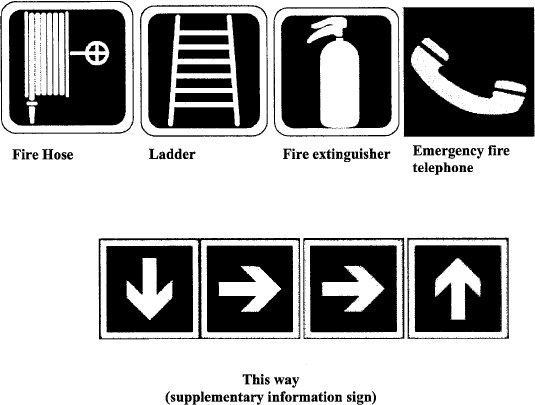
(g) specific emergency routes and exits are indicated by signs in accordance with Part 7 Chapter 1 and such signs are placed at appropriate points and are adequately durable, | |||||||||||||||||||||||||||||||||||||||||||||||||||||||||||
(h) emergency routes and exits, and the traffic routes and doors giving access to them are free from obstruction so that they can be used at any time without hindrance, and | |||||||||||||||||||||||||||||||||||||||||||||||||||||||||||
(i) emergency routes and exits requiring illumination are provided with emergency lighting of adequate intensity in case the lighting fails. | |||||||||||||||||||||||||||||||||||||||||||||||||||||||||||
|
Fire detection and fire fighting. | 13. Without predjudice to section 11 of the Act, the Fire Services Acts 1981 and 2003 (No. 30 of 1981 and No.15 of 2003) and other relevant legislation, an employer shall ensure that— | ||||||||||||||||||||||||||||||||||||||||||||||||||||||||||
(a) a place of work is equipped with appropriate fire-fighting equipment and, as necessary, fire detectors and an alarm system, taking account of— | |||||||||||||||||||||||||||||||||||||||||||||||||||||||||||
(i) the dimensions and use of the buildings, | |||||||||||||||||||||||||||||||||||||||||||||||||||||||||||
(ii) the equipment they contain, | |||||||||||||||||||||||||||||||||||||||||||||||||||||||||||
(iii) the physical and chemical characteristics of the substances present, and | |||||||||||||||||||||||||||||||||||||||||||||||||||||||||||
(iv) the maximum potential number of people present, | |||||||||||||||||||||||||||||||||||||||||||||||||||||||||||
(b) non-automatic fire-fighting equipment is— | |||||||||||||||||||||||||||||||||||||||||||||||||||||||||||
(i) easily accessible and simple to use, and | |||||||||||||||||||||||||||||||||||||||||||||||||||||||||||
(ii) indicated by signs in accordance with Part 7, Chapter 1 and the signs are placed at appropriate points and are adequately durable, and | |||||||||||||||||||||||||||||||||||||||||||||||||||||||||||
(c) fire detection equipment and fire-fighting equipment is— | |||||||||||||||||||||||||||||||||||||||||||||||||||||||||||
(i) inspected and maintained as frequently as necessary to ensure that it is in good working order, and | |||||||||||||||||||||||||||||||||||||||||||||||||||||||||||
(ii) serviced by a competent person as frequently as necessary. | |||||||||||||||||||||||||||||||||||||||||||||||||||||||||||
|
Movement of pedestrians and vehicles in danger areas. | 14. An employer shall ensure that— | ||||||||||||||||||||||||||||||||||||||||||||||||||||||||||
(a) outdoor and indoor places of work are organised in such a way that pedestrians and vehicles can circulate in a safe manner, | |||||||||||||||||||||||||||||||||||||||||||||||||||||||||||
(b) traffic routes, including stairs, fixed ladders and loading bays and ramps, are designed, located and dimensioned to ensure easy, safe and appropriate access for pedestrians or vehicles in such a way as not to endanger employees employed in the vicinity of such routes, | |||||||||||||||||||||||||||||||||||||||||||||||||||||||||||
(c) routes used for pedestrian traffic or goods traffic, or for both, are dimensioned in accordance with the number of potential users and the type of undertaking, | |||||||||||||||||||||||||||||||||||||||||||||||||||||||||||
(d) sufficient safety clearance is provided for pedestrians if means of transport are used on traffic routes, | |||||||||||||||||||||||||||||||||||||||||||||||||||||||||||
(e) sufficient clearance is allowed between vehicle traffic routes and doors, gates passages for pedestrians, corridors and staircases, | |||||||||||||||||||||||||||||||||||||||||||||||||||||||||||
(f) pedestrian routes and traffic routes are clearly identified for the protection of employees, where the use and equipment of places of work so require, and | |||||||||||||||||||||||||||||||||||||||||||||||||||||||||||
(g) if the places of work contain danger areas in which, owing to the nature of the work there is a risk of an employee or objects falling, these are— | |||||||||||||||||||||||||||||||||||||||||||||||||||||||||||
(i) equipped, as far as possible, with devices preventing unauthorised employees from entering those areas, and | |||||||||||||||||||||||||||||||||||||||||||||||||||||||||||
(ii) clearly indicated, and | |||||||||||||||||||||||||||||||||||||||||||||||||||||||||||
appropriate measures are taken to protect employees authorised to enter danger areas. | |||||||||||||||||||||||||||||||||||||||||||||||||||||||||||
|
Specific measures for escalators and travelators. | 15. An employer shall ensure that escalators and travelators— | ||||||||||||||||||||||||||||||||||||||||||||||||||||||||||
(a) function safely, | |||||||||||||||||||||||||||||||||||||||||||||||||||||||||||
(b) are equipped with any necessary safety devices, and | |||||||||||||||||||||||||||||||||||||||||||||||||||||||||||
(c) are fitted with easily identifiable and accessible emergency shutdown devices. | |||||||||||||||||||||||||||||||||||||||||||||||||||||||||||
|
Loading bays and ramps. | 16. An employer shall ensure that— | ||||||||||||||||||||||||||||||||||||||||||||||||||||||||||
(a) loading bays and ramps are suitable for the dimensions of the loads to be transported, | |||||||||||||||||||||||||||||||||||||||||||||||||||||||||||
(b) loading ramps are, as far as possible, safe enough to prevent employees from falling off, | |||||||||||||||||||||||||||||||||||||||||||||||||||||||||||
(c) loading bays have at least one exit point, and | |||||||||||||||||||||||||||||||||||||||||||||||||||||||||||
(d) loading bays longer than the width of 5 vehicles have an exit point at each end where technically feasible, or alternatively an appropriate refuge is provided which may be used to avoid persons at work being struck or crushed by a vehicle. | |||||||||||||||||||||||||||||||||||||||||||||||||||||||||||
|
Room dimensions and air space in rooms and freedom of movement at the workstation. | 17. An employer shall ensure that— | ||||||||||||||||||||||||||||||||||||||||||||||||||||||||||
(a) workrooms have sufficient surface area, height and air space to allow employees to perform their work without risk to their safety, health or welfare, and | |||||||||||||||||||||||||||||||||||||||||||||||||||||||||||
(b) the dimensions of the free unoccupied area at a workstation are calculated to allow employees sufficient freedom of movement to perform their work and, where this is not possible for reasons specific to the workstation, the employee is provided with sufficient freedom of movement near his or her workstation. | |||||||||||||||||||||||||||||||||||||||||||||||||||||||||||
|
General welfare requirements. | 18. An employer shall ensure that— | ||||||||||||||||||||||||||||||||||||||||||||||||||||||||||
(a) every place of work is kept in a clean state and accumulations of dirt, refuse, trade refuse and waste are removed by a suitable method as frequently as necessary to maintain an appropriate level of safety and health, | |||||||||||||||||||||||||||||||||||||||||||||||||||||||||||
(b) the floor of every workroom is cleaned by a suitable method as frequently as necessary to maintain an appropriate level of safety and health, | |||||||||||||||||||||||||||||||||||||||||||||||||||||||||||
(c) where any employees have in the course of their employment reasonable opportunities for sitting without detriment to their work or, where a substantial proportion of any work done by employees can properly be done sitting, | |||||||||||||||||||||||||||||||||||||||||||||||||||||||||||
(i) suitable facilities for sitting are provided and maintained for their use, or | |||||||||||||||||||||||||||||||||||||||||||||||||||||||||||
(ii) if this is not practical, they are otherwise ergonomically supported, | |||||||||||||||||||||||||||||||||||||||||||||||||||||||||||
(d) an adequate supply of potable drinking water is provided and maintained at suitable points conveniently accessible to all employees, | |||||||||||||||||||||||||||||||||||||||||||||||||||||||||||
(e) suitable and adequate facilities for boiling water and taking meals are provided and maintained for the use of employees, or that employees have reasonable access to other suitable and adequate facilities for the taking of meals, and | |||||||||||||||||||||||||||||||||||||||||||||||||||||||||||
(f) the taking of meals by employees is prohibited at any location in the place of work where there is likely to be a risk to safety, health or welfare. | |||||||||||||||||||||||||||||||||||||||||||||||||||||||||||
|
Rest rooms and rest areas. | 19. An employer shall ensure that— | ||||||||||||||||||||||||||||||||||||||||||||||||||||||||||
(a) where, because of— | |||||||||||||||||||||||||||||||||||||||||||||||||||||||||||
(i) the type of activity carried out, or | |||||||||||||||||||||||||||||||||||||||||||||||||||||||||||
(ii) the presence of more than a certain number of employees, and | |||||||||||||||||||||||||||||||||||||||||||||||||||||||||||
(iii) the safety, health and welfare of employees so requires, | |||||||||||||||||||||||||||||||||||||||||||||||||||||||||||
employees are provided with an easily accessible rest room or appropriate rest area except where the employees are employed in offices or similar workrooms providing relaxation during breaks, | |||||||||||||||||||||||||||||||||||||||||||||||||||||||||||
(b) rest rooms are large enough and equipped with tables with easily cleaned surfaces and seats with backs, adequate for the number of employees, and | |||||||||||||||||||||||||||||||||||||||||||||||||||||||||||
(c) if working hours are regularly and frequently interrupted and there is no rest room other rooms are provided in which employees can stay during such interruptions wherever this is required for the safety, health or welfare of employees. | |||||||||||||||||||||||||||||||||||||||||||||||||||||||||||
|
Sanitary and washing facilities. | 20. An employer shall provide and maintain and keep in a clean state— | ||||||||||||||||||||||||||||||||||||||||||||||||||||||||||
(a) adequate and suitable sanitary and washing facilities for the use of employees, | |||||||||||||||||||||||||||||||||||||||||||||||||||||||||||
(b) an adequate number of lavatories and washbasins, with hot and cold running water in the vicinity of workstations, rest rooms, changing rooms and rooms housing showers, | |||||||||||||||||||||||||||||||||||||||||||||||||||||||||||
(c) separate use of lavatories or washbasins for men and women, when so required for reasons of propriety, | |||||||||||||||||||||||||||||||||||||||||||||||||||||||||||
(d) adequate and suitable showers for employees if required by the nature of the work or for health reasons related thereto, and in such case— | |||||||||||||||||||||||||||||||||||||||||||||||||||||||||||
(i) separate shower rooms or separate use of shower rooms for men and women, | |||||||||||||||||||||||||||||||||||||||||||||||||||||||||||
(ii) shower rooms which are sufficiently large to permit each employee to wash without hindrance in satisfactory conditions of hygiene, and | |||||||||||||||||||||||||||||||||||||||||||||||||||||||||||
(iii) showers which are equipped with hot and cold running water, and | |||||||||||||||||||||||||||||||||||||||||||||||||||||||||||
(e) easy access between the rooms housing showers or washbasins where they are separate from the changing rooms. | |||||||||||||||||||||||||||||||||||||||||||||||||||||||||||
|
Changing rooms and lockers. | 21. (1) An employer shall provide or cause to be provided— | ||||||||||||||||||||||||||||||||||||||||||||||||||||||||||
(a) appropriate changing rooms for persons at work if they have to wear special work clothes and if, for reasons of health or propriety, they cannot be expected to change in another area, which are— | |||||||||||||||||||||||||||||||||||||||||||||||||||||||||||
(i) easily accessible, | |||||||||||||||||||||||||||||||||||||||||||||||||||||||||||
(ii) of sufficient capacity, and | |||||||||||||||||||||||||||||||||||||||||||||||||||||||||||
(iii) provided with seating, | |||||||||||||||||||||||||||||||||||||||||||||||||||||||||||
(b) separate changing rooms or separate use of changing rooms for men and women and | |||||||||||||||||||||||||||||||||||||||||||||||||||||||||||
(c) adequate provision for drying wet or damp work clothes. | |||||||||||||||||||||||||||||||||||||||||||||||||||||||||||
(2) If circumstances so require where work clothes are likely to be contaminated by dangerous substances, atmospheric conditions or the conditions of the place of work, an employer shall provide, or cause to be provided, facilities in changing rooms to enable working clothes to be kept in a place separate from personal clothing and effects. | |||||||||||||||||||||||||||||||||||||||||||||||||||||||||||
(3) If changing rooms are not required as referred to in paragraph (1), the employer shall ensure that every person at work is provided with a place to store his or her own clothes and personal effects. | |||||||||||||||||||||||||||||||||||||||||||||||||||||||||||
|
Accommodation areas at a place of work. | 22. An employer shall ensure that fixed living accommodation areas provided for employees at a place of work— | ||||||||||||||||||||||||||||||||||||||||||||||||||||||||||
(a) are safe and without risk to health, and | |||||||||||||||||||||||||||||||||||||||||||||||||||||||||||
(b) unless used in exceptional cases— | |||||||||||||||||||||||||||||||||||||||||||||||||||||||||||
(i) have sufficient sanitary equipment, | |||||||||||||||||||||||||||||||||||||||||||||||||||||||||||
(ii) are equipped with beds, cupboards, tables and seats with backs, taking account of the number of persons at work, and | |||||||||||||||||||||||||||||||||||||||||||||||||||||||||||
(iii) are allocated taking account, where appropriate, of the presence of persons of both sexes. | |||||||||||||||||||||||||||||||||||||||||||||||||||||||||||
|
Outdoor places of work, special provisions. | 23. An employer shall ensure that when employees are employed at outdoor workstations, the workstations are, as far as possible, arranged so that employees— | ||||||||||||||||||||||||||||||||||||||||||||||||||||||||||
(a) are protected against inclement weather conditions, | |||||||||||||||||||||||||||||||||||||||||||||||||||||||||||
(b) are not exposed to harmful influences such as gases, vapours or dust, in compliance with the relevant statutory provisions, and | |||||||||||||||||||||||||||||||||||||||||||||||||||||||||||
(c) cannot slip or fall. | |||||||||||||||||||||||||||||||||||||||||||||||||||||||||||
|
Pregnant, postnatal and breastfeeding employees. | 24. An employer shall ensure that pregnant, postnatal and breastfeeding employees are able to lie down to rest in appropriate conditions. | ||||||||||||||||||||||||||||||||||||||||||||||||||||||||||
|
Employees with disabilities. | 25. An employer shall ensure that places of work, where necessary, are organised to take account of persons at work with disabilities, in particular as regards doors, passageways, staircases showers, washbasins, lavatories and workstations used or occupied directly by those persons. | ||||||||||||||||||||||||||||||||||||||||||||||||||||||||||
|
Agreements as to a premises used as a place of work. | 26. (1) If, by reason of an agreement between the owner of a premises used as a place of work and an employer, the owner or employer is prevented from carrying out any structural or other alterations in the premises which are necessary to enable the employer to comply with these Regulations, | ||||||||||||||||||||||||||||||||||||||||||||||||||||||||||
(a) the owner or employer may apply to the Circuit Court for an order under this Regulation, and | |||||||||||||||||||||||||||||||||||||||||||||||||||||||||||
(b) the Court, after hearing the parties and any witnesses whom they desire to call, may make an order setting aside or modifying the terms of the agreement, as the Court considers appropriate in the circumstances of the case. | |||||||||||||||||||||||||||||||||||||||||||||||||||||||||||
(2) Where, in any premises, the whole or any part of which has been let as a place of work, | |||||||||||||||||||||||||||||||||||||||||||||||||||||||||||
(a) any structural or other alterations are required in order to comply with any provision of these Regulations, and | |||||||||||||||||||||||||||||||||||||||||||||||||||||||||||
(b) the owner or employer, as the case may be, alleges that the whole or any part of the expenses of the alterations ought to be borne by the employer or owner, | |||||||||||||||||||||||||||||||||||||||||||||||||||||||||||
the owner or employer may apply to the Circuit Court for an order under this Regulation and, after hearing the parties and any witnesses whom they desire to call, the Court— | |||||||||||||||||||||||||||||||||||||||||||||||||||||||||||
(i) may make such an order concerning the expenses, or their apportionment, as the Court considers appropriate in the circumstances of the case, regard being had to the terms of any contract between the parties, or, | |||||||||||||||||||||||||||||||||||||||||||||||||||||||||||
(ii) in the alternative, at the request of the owner or employer, may determine the lease on such terms, having regard to the provisions of the lease, as the Court considers appropriate. | |||||||||||||||||||||||||||||||||||||||||||||||||||||||||||
|
Chapter 2 — Use of Work Equipment | |||||||||||||||||||||||||||||||||||||||||||||||||||||||||||
|
Interpretation for Chapter 2. | 27. In this Chapter: | ||||||||||||||||||||||||||||||||||||||||||||||||||||||||||
“carrier” means the device by which persons or goods, or both, are supported in order to be lifted, lowered or moved; | |||||||||||||||||||||||||||||||||||||||||||||||||||||||||||
“danger zone” means any zone within or around work equipment in which an employee is subject to a risk to his or her safety or health; | |||||||||||||||||||||||||||||||||||||||||||||||||||||||||||
“EC declaration of conformity” refers to a declaration of conformity issued pursuant to Directive 98/37/EC1 or Directive 2006/42/EC2 of the European Parliament and of the Council on the approximation of the laws of the Member States relating to machinery; | |||||||||||||||||||||||||||||||||||||||||||||||||||||||||||
“exposed employee” means any employee wholly or partially in a danger zone; | |||||||||||||||||||||||||||||||||||||||||||||||||||||||||||
“fishing vessel” means a vessel to which the Safety, Health and Welfare at Work (Fishing Vessels) Regulations 1999 ( S.I. No. 325 of 1999 ) apply; | |||||||||||||||||||||||||||||||||||||||||||||||||||||||||||
“hoist or lift” means a lifting machine which has its direction of movement restricted by a guide or guides but, for the purpose of this Chapter, does not include a fork lift truck order picker, self-propelled variable reach truck or similar type equipment; | |||||||||||||||||||||||||||||||||||||||||||||||||||||||||||
“lifting accessories” include clamps and similar attachments, chain slings, rope slings, rings hooks, shackles, swivels, spreader beams, spreader frames and any other item placed between lifting equipment and the load or on the load in order to attach it, but excluding features of the load used for its lifting; | |||||||||||||||||||||||||||||||||||||||||||||||||||||||||||
“load” includes a person; | |||||||||||||||||||||||||||||||||||||||||||||||||||||||||||
“non-integrated cage or basket” means one which is not equipped with controls that control its movement; | |||||||||||||||||||||||||||||||||||||||||||||||||||||||||||
“selection, installation and use of work equipment” means any activity involving work equipment, including starting or stopping the equipment, its use, transport, repair modification, maintenance and servicing and cleaning; | |||||||||||||||||||||||||||||||||||||||||||||||||||||||||||
“thorough examination” includes testing if— | |||||||||||||||||||||||||||||||||||||||||||||||||||||||||||
(a) a competent person considers it to be necessary for the purpose of the examination or | |||||||||||||||||||||||||||||||||||||||||||||||||||||||||||
(b) testing is required pursuant to Regulation 52 and Schedule 1. | |||||||||||||||||||||||||||||||||||||||||||||||||||||||||||
|
Duties of employer, use of work equipment. | 28. An employer shall ensure that— | ||||||||||||||||||||||||||||||||||||||||||||||||||||||||||
(a) any work equipment provided for use by employees at a place of work complies, as appropriate, with the provisions of any relevant enactment implementing any relevant Directive of the European Communities relating to work equipment with respect to safety and health, | |||||||||||||||||||||||||||||||||||||||||||||||||||||||||||
(b) in selecting the work equipment, account is taken of the specific working conditions, characteristics and hazards in the place of work having regard to the safety and health of the employees and any additional hazards posed by the use of such work equipment, | |||||||||||||||||||||||||||||||||||||||||||||||||||||||||||
(c) the necessary measures are taken so that the work equipment is installed and located and is suitable for the work to be carried out, or is properly adapted for that purpose and may be used by employees without risk to their safety and health, | |||||||||||||||||||||||||||||||||||||||||||||||||||||||||||
(d) where it is not possible fully to ensure that work equipment can be used by employees without risk to their safety or health, appropriate measures are taken to minimise any such risk, | |||||||||||||||||||||||||||||||||||||||||||||||||||||||||||
(e) sufficient space to reduce such risks is provided between moving parts of work equipment and fixed or moving parts in its environment, | |||||||||||||||||||||||||||||||||||||||||||||||||||||||||||
(f) where the use of work equipment is likely to involve a specific risk to the safety or health of employees— | |||||||||||||||||||||||||||||||||||||||||||||||||||||||||||
(i) the use of such work equipment is restricted to those employees required to use it, and | |||||||||||||||||||||||||||||||||||||||||||||||||||||||||||
(ii) in cases of work involving repairs, modifications, maintenance or servicing of such work equipment, the employees concerned are competent to carry out such work, | |||||||||||||||||||||||||||||||||||||||||||||||||||||||||||
(g) the working posture and position of employees while using work equipment, and any ergonomic requirements, are taken into account having regard to the safety and health of the employees, | |||||||||||||||||||||||||||||||||||||||||||||||||||||||||||
(h) areas and points for working on, or maintenance of, work equipment are suitably lit having regard to the operation to be carried out, | |||||||||||||||||||||||||||||||||||||||||||||||||||||||||||
(i) work equipment parts at high or very low temperature are, where appropriate protected to avoid the risk of employees coming into contact or coming too close, | |||||||||||||||||||||||||||||||||||||||||||||||||||||||||||
(j) work equipment bears warnings and markings essential to ensure the safety and health of employees, | |||||||||||||||||||||||||||||||||||||||||||||||||||||||||||
(k) employees have safe means of access to, and egress from, and are able to remain safely in, all the areas necessary for production, adjustment and maintenance operations, | |||||||||||||||||||||||||||||||||||||||||||||||||||||||||||
(l) work equipment is used only for operations and under conditions for which it is appropriate, | |||||||||||||||||||||||||||||||||||||||||||||||||||||||||||
(m) all work equipment is appropriate for protecting employees against the risk of the work equipment catching fire or overheating, or of discharges of gas, dust, liquid vapour or other substances produced, used or stored in the work equipment, | |||||||||||||||||||||||||||||||||||||||||||||||||||||||||||
(n) all work equipment is appropriate for preventing the risk of explosion of the work equipment or of substances produced, used or stored in the work equipment, | |||||||||||||||||||||||||||||||||||||||||||||||||||||||||||
(o) work equipment is erected or dismantled under safe conditions in particular observing any instructions which may have been provided by the manufacturer, | |||||||||||||||||||||||||||||||||||||||||||||||||||||||||||
(p) work equipment which may be struck by lightning while being used is protected by devices or appropriate means against the effects of lightning, and | |||||||||||||||||||||||||||||||||||||||||||||||||||||||||||
(q) all forms of energy, substances and articles used or produced with work equipment are supplied or removed in a safe manner. | |||||||||||||||||||||||||||||||||||||||||||||||||||||||||||
|
Information and instruction. | 29. An employer shall ensure that— | ||||||||||||||||||||||||||||||||||||||||||||||||||||||||||
(a) the necessary measures are taken so that employees have at their disposal adequate information and, where appropriate, written instructions on the work equipment containing at least adequate safety and health information concerning— | |||||||||||||||||||||||||||||||||||||||||||||||||||||||||||
(i) the conditions of use of work equipment, | |||||||||||||||||||||||||||||||||||||||||||||||||||||||||||
(ii) foreseeable abnormal situations, and | |||||||||||||||||||||||||||||||||||||||||||||||||||||||||||
(iii) the conclusions to be drawn from experience, where appropriate, in using such work equipment, and | |||||||||||||||||||||||||||||||||||||||||||||||||||||||||||
(b) employees are made aware of safety and health risks relevant to them associated with work equipment located at or near their workstation or to any changes relating to that work equipment, even if they do not use the equipment. | |||||||||||||||||||||||||||||||||||||||||||||||||||||||||||
|
Inspection of work equipment. | 30. An employer shall ensure that— | ||||||||||||||||||||||||||||||||||||||||||||||||||||||||||
(a) where the safety of work equipment depends on the installation conditions— | |||||||||||||||||||||||||||||||||||||||||||||||||||||||||||
(i) an initial inspection is carried out after installation is completed and before it is first put into service, and | |||||||||||||||||||||||||||||||||||||||||||||||||||||||||||
(ii) an inspection is carried out after assembly at any new site or in any new location, and that the work equipment is installed correctly and is operating properly, | |||||||||||||||||||||||||||||||||||||||||||||||||||||||||||
(b) in the case of work equipment which is exposed to conditions causing deterioration liable to result in a danger to safety or health— | |||||||||||||||||||||||||||||||||||||||||||||||||||||||||||
(i) periodic inspections and, where appropriate, testing is carried out, | |||||||||||||||||||||||||||||||||||||||||||||||||||||||||||
(ii) special inspections are carried out when exceptional circumstances arise which are liable to make the work equipment unsafe, including modification work, accidents, natural phenomena or prolonged inactivity, and | |||||||||||||||||||||||||||||||||||||||||||||||||||||||||||
(iii) deterioration is detected and remedied in good time, | |||||||||||||||||||||||||||||||||||||||||||||||||||||||||||
(c) inspections carried out under paragraphs (a) and (b) are carried out by a competent person and are appropriate to the nature, location and use of the work equipment, | |||||||||||||||||||||||||||||||||||||||||||||||||||||||||||
(d) the results of inspections carried out under paragraphs (a) and (b) are recorded and kept available for 5 years from the date of inspection, for inspection by an inspector and access to these records is made available to users of the work equipment upon request, and | |||||||||||||||||||||||||||||||||||||||||||||||||||||||||||
(e) when work equipment is used in another place of work, it is accompanied by evidence of the last inspection carried out under paragraphs (a) and (b). | |||||||||||||||||||||||||||||||||||||||||||||||||||||||||||
|
Maintenance. | 31. An employer shall ensure that— | ||||||||||||||||||||||||||||||||||||||||||||||||||||||||||
(a) throughout its working life work equipment is kept, by means of adequate maintenance, at a level such that it complies with the provisions of this Chapter, | |||||||||||||||||||||||||||||||||||||||||||||||||||||||||||
(b) where possible, maintenance operations are carried out when work equipment is shut down, and where this is not possible, appropriate protection measures are taken for the carrying out of such operations or such operations are carried out outside the area of danger, | |||||||||||||||||||||||||||||||||||||||||||||||||||||||||||
(c) work equipment is maintained in such a way as to reduce the risks to users of the work equipment and to other persons at work, and | |||||||||||||||||||||||||||||||||||||||||||||||||||||||||||
(d) a maintenance log for any machine is kept up to date. | |||||||||||||||||||||||||||||||||||||||||||||||||||||||||||
|
Control devices. | 32. (1) An employer shall ensure that— | ||||||||||||||||||||||||||||||||||||||||||||||||||||||||||
(a) work equipment control devices which affect safety and health are clearly visible and identifiable and appropriately marked where necessary, | |||||||||||||||||||||||||||||||||||||||||||||||||||||||||||
(b) control devices are located outside danger zones except where necessary, | |||||||||||||||||||||||||||||||||||||||||||||||||||||||||||
(c) the operation of control devices cannot cause additional hazard, | |||||||||||||||||||||||||||||||||||||||||||||||||||||||||||
(d) the operation of control devices cannot give rise to any hazard as a result of any unintentional operation, | |||||||||||||||||||||||||||||||||||||||||||||||||||||||||||
(e) the absence of persons in the danger zones is verifiable from the main control position if necessary, | |||||||||||||||||||||||||||||||||||||||||||||||||||||||||||
(f) where it is impracticable to comply with paragraph (e), a safe system such as an audible or visible warning signal, or such a signal that is both audible and visible, is given automatically whenever the machinery is about to start, | |||||||||||||||||||||||||||||||||||||||||||||||||||||||||||
(g) an exposed employee has the time, the means, or both, quickly to avoid hazards caused by the starting or stopping, or both, of the work equipment, | |||||||||||||||||||||||||||||||||||||||||||||||||||||||||||
(h) control systems are safe, and are chosen making appropriate allowances for the failures, faults and constraints to be expected in the planned circumstances of use, | |||||||||||||||||||||||||||||||||||||||||||||||||||||||||||
(i) it is possible to start work equipment only by deliberate action on a control provided for the purpose, | |||||||||||||||||||||||||||||||||||||||||||||||||||||||||||
(j) a control is included in work equipment to— | |||||||||||||||||||||||||||||||||||||||||||||||||||||||||||
(i) restart it after a stoppage for whatever reason, and | |||||||||||||||||||||||||||||||||||||||||||||||||||||||||||
(ii) to control a significant change in the operating conditions | |||||||||||||||||||||||||||||||||||||||||||||||||||||||||||
unless such a restart or change does not subject exposed employees to any hazard, | |||||||||||||||||||||||||||||||||||||||||||||||||||||||||||
(k) all work equipment is fitted with a control to stop it completely and safely, | |||||||||||||||||||||||||||||||||||||||||||||||||||||||||||
(l) each workstation is fitted with a control to stop some or all of the work equipment depending on the type of hazard, so that the equipment is in a safe state, | |||||||||||||||||||||||||||||||||||||||||||||||||||||||||||
(m) the equipment's stop control has priority over the start controls and, when the work equipment or the dangerous parts of it have stopped, the energy supply of the actuators concerned is switched off, and | |||||||||||||||||||||||||||||||||||||||||||||||||||||||||||
(n) where appropriate, and depending on the hazards the equipment presents and its normal stopping time, work equipment is fitted with an emergency stop device. | |||||||||||||||||||||||||||||||||||||||||||||||||||||||||||
(2) Paragraph (1)(j) does not apply to restarting or a change in operating conditions as a result of a normal operating cycle of an automatic device. | |||||||||||||||||||||||||||||||||||||||||||||||||||||||||||
|
Guards and protection devices. | 33. An employer shall ensure that— | ||||||||||||||||||||||||||||||||||||||||||||||||||||||||||
(a) work equipment presenting risk due to falling objects or projections is fitted with appropriate safety devices corresponding to the risk, | |||||||||||||||||||||||||||||||||||||||||||||||||||||||||||
(b) work equipment presenting hazards due to emissions of gas, vapour, liquid or dust is fitted with appropriate containment devices, extraction devices, or both, near the sources of the hazard, | |||||||||||||||||||||||||||||||||||||||||||||||||||||||||||
(c) work equipment and parts of such equipment are, where necessary for the safety and health of employees, stabilised by clamping or some other means, | |||||||||||||||||||||||||||||||||||||||||||||||||||||||||||
(d) where there is a risk of rupture or disintegration of parts of work equipment, likely to pose significant danger to the safety and health of employees, appropriate protection measures are taken, | |||||||||||||||||||||||||||||||||||||||||||||||||||||||||||
(e) where there is a risk of physical contact with moving parts of work equipment which could lead to accidents, those parts are provided with guards or protection devices to prevent access to danger zones or to halt movement of dangerous parts before the danger zones are reached, | |||||||||||||||||||||||||||||||||||||||||||||||||||||||||||
(f) guards and protection devices where required under subparagraph (e)— | |||||||||||||||||||||||||||||||||||||||||||||||||||||||||||
(i) are of robust construction, | |||||||||||||||||||||||||||||||||||||||||||||||||||||||||||
(ii) do not give rise to any additional hazard, | |||||||||||||||||||||||||||||||||||||||||||||||||||||||||||
(iii) are not easily removed or rendered inoperative, | |||||||||||||||||||||||||||||||||||||||||||||||||||||||||||
(iv) are situated at sufficient distance from the danger zone, | |||||||||||||||||||||||||||||||||||||||||||||||||||||||||||
(v) do not restrict more than necessary the view of the operating cycle of the equipment, | |||||||||||||||||||||||||||||||||||||||||||||||||||||||||||
(vi) allow operations necessary to fit or replace parts, and | |||||||||||||||||||||||||||||||||||||||||||||||||||||||||||
(vii) restrict access for maintenance work only to the area where the work is to be carried out, if possible, without removal of the guard or protection device, | |||||||||||||||||||||||||||||||||||||||||||||||||||||||||||
(g) warning devices on work equipment are unambiguous and easily perceived and understood, and | |||||||||||||||||||||||||||||||||||||||||||||||||||||||||||
(h) any part of a stock-bar which projects beyond the headstock of a lathe is securely fenced unless it is in such a position as to be safe to employees as it would be if securely fenced. | |||||||||||||||||||||||||||||||||||||||||||||||||||||||||||
|
Connection to energy sources. | 34. An employer shall ensure that— | ||||||||||||||||||||||||||||||||||||||||||||||||||||||||||
(a) all work equipment is fitted with clearly identifiable means to isolate it from all its energy sources, and | |||||||||||||||||||||||||||||||||||||||||||||||||||||||||||
(b) the reconnecting of the work equipment to its energy sources poses no risk to the employees concerned. | |||||||||||||||||||||||||||||||||||||||||||||||||||||||||||
|
Contact with wheels or tracks of mobile work equipment. | 35. An employer shall ensure that work equipment with ride-on employees is fitted out in such a way as to reduce the risks for employees during the journey, including risk of contact with or trapping by wheels or tracks. | ||||||||||||||||||||||||||||||||||||||||||||||||||||||||||
|
Drive systems of mobile work equipment. | 36. An employer shall ensure that— | ||||||||||||||||||||||||||||||||||||||||||||||||||||||||||
(a) where an inadvertent seizure of the drive unit between an item of mobile work equipment and its accessories or anything towed, or both, creates a specific risk, the work equipment is equipped or adapted to prevent blockages of the drive units and where such seizure cannot be avoided, every possible measure is taken to avoid any adverse effects on employees, and | |||||||||||||||||||||||||||||||||||||||||||||||||||||||||||
(b) where drive shafts for the transmission of energy between mobile items of work equipment can become soiled or damaged by trailing on the ground, facilities are available for fixing them. | |||||||||||||||||||||||||||||||||||||||||||||||||||||||||||
|
Combustion engines of mobile work equipment. | 37. An employer shall ensure that mobile work equipment with a combustion engine is not used in working areas unless - | ||||||||||||||||||||||||||||||||||||||||||||||||||||||||||
(a) specific provision is made for conducting the exhaust gases from the engine into the open air, or | |||||||||||||||||||||||||||||||||||||||||||||||||||||||||||
(b) the working area is adequately ventilated so as to prevent danger to health from the exhaust gases. | |||||||||||||||||||||||||||||||||||||||||||||||||||||||||||
|
Roll-over of mobile work equipment. | 38. (1) An employer shall ensure that mobile work equipment with ride-on employees is designed to restrict, under actual conditions of use, the risks arising from roll over of work equipment either by— | ||||||||||||||||||||||||||||||||||||||||||||||||||||||||||
(a) a protection structure to ensure that the equipment does not tilt by more than a quarter turn, | |||||||||||||||||||||||||||||||||||||||||||||||||||||||||||
(b) a structure giving sufficient clearance around the ride-on employees if the tilting movement can continue beyond a quarter turn, or | |||||||||||||||||||||||||||||||||||||||||||||||||||||||||||
(c) by some other device of equivalent effect. | |||||||||||||||||||||||||||||||||||||||||||||||||||||||||||
(2) The protection structures referred to in paragraph (1) may be an integral part of the work equipment but are not required when the work equipment is stabilised during operation or where the design makes roll over impossible. | |||||||||||||||||||||||||||||||||||||||||||||||||||||||||||
(3) An employer shall ensure that where there is a risk of a ride-on employee being crushed between parts of the work equipment and the ground should the equipment roll over a restraining system for the ride-on employees is installed. | |||||||||||||||||||||||||||||||||||||||||||||||||||||||||||
|
Fork-lift trucks. | 39. An employer shall ensure that a fork-lift truck carrying one or more employees is equipped or adapted to limit the risk of it overturning— | ||||||||||||||||||||||||||||||||||||||||||||||||||||||||||
(a) by the installation of an enclosure for the driver, | |||||||||||||||||||||||||||||||||||||||||||||||||||||||||||
(b) by a structure preventing the fork-lift truck from overturning, | |||||||||||||||||||||||||||||||||||||||||||||||||||||||||||
(c) by a structure ensuring that, if the fork-lift truck overturns, sufficient clearance remains between the ground and appropriate parts of the fork-lift truck for the employees carried, or | |||||||||||||||||||||||||||||||||||||||||||||||||||||||||||
(d) by a structure restraining the employees on the driving seat so as to prevent them from being crushed by parts of the fork-lift truck which overturns. | |||||||||||||||||||||||||||||||||||||||||||||||||||||||||||
|
Safety of self-propelled work equipment. | 40. An employer shall ensure that— | ||||||||||||||||||||||||||||||||||||||||||||||||||||||||||
(a) self-propelled work equipment is operated only by competent persons who have been appropriately trained, and | |||||||||||||||||||||||||||||||||||||||||||||||||||||||||||
(b) self-propelled work equipment, which when in motion may create risks for persons— | |||||||||||||||||||||||||||||||||||||||||||||||||||||||||||
(i) has facilities for preventing unauthorised start-up; | |||||||||||||||||||||||||||||||||||||||||||||||||||||||||||
(ii) has appropriate facilities for minimising the consequences of a collision where there is more than one item of track-mounted work equipment in motion at the same time; | |||||||||||||||||||||||||||||||||||||||||||||||||||||||||||
(iii) has a device for braking and stopping equipment; | |||||||||||||||||||||||||||||||||||||||||||||||||||||||||||
(iv) in the event of failure of the main facility for braking and stopping equipment where safety constraints so require, has available emergency facilities operated by readily accessible controls or automatic systems for braking and stopping the equipment; | |||||||||||||||||||||||||||||||||||||||||||||||||||||||||||
(v) has adequate auxiliary devices installed to improve visibility where the driver's direct field of vision is inadequate; | |||||||||||||||||||||||||||||||||||||||||||||||||||||||||||
(vi) is equipped with lighting appropriate to the work to be carried out and ensures sufficient safety for employees where designed for use at night or in dark places; | |||||||||||||||||||||||||||||||||||||||||||||||||||||||||||
(vii) is equipped with appropriate fire-fighting appliances where such appliances are not available sufficiently nearby at the place of use, where such work equipment constitutes a fire hazard, either on its own or in respect of whatever it is towing or carrying, or both, and is liable to endanger employees; | |||||||||||||||||||||||||||||||||||||||||||||||||||||||||||
(viii) if remote-controlled, stops automatically once it leaves the control range; | |||||||||||||||||||||||||||||||||||||||||||||||||||||||||||
(ix) if it | |||||||||||||||||||||||||||||||||||||||||||||||||||||||||||
(I) is remote-controlled, and | |||||||||||||||||||||||||||||||||||||||||||||||||||||||||||
(II) creates, in normal conditions a crushing or impact hazard, | |||||||||||||||||||||||||||||||||||||||||||||||||||||||||||
has facilities to guard against that hazard, unless other appropriate devices are present to control the hazard. | |||||||||||||||||||||||||||||||||||||||||||||||||||||||||||
|
Traffic rules for mobile work equipment. | 41. An employer shall ensure that— | ||||||||||||||||||||||||||||||||||||||||||||||||||||||||||
(a) if work equipment is moving around in a work area, appropriate traffic rules are drawn up and followed, | |||||||||||||||||||||||||||||||||||||||||||||||||||||||||||
(b) organisational measures are taken to prevent employees on foot coming within the area of operation of self-propelled work equipment and, if work can be done properly only if employees on foot are present, appropriate measures are taken to prevent them from being injured by the equipment, and | |||||||||||||||||||||||||||||||||||||||||||||||||||||||||||
(c) the transport of employees on mechanically driven mobile work equipment is only permitted where safe facilities are provided to this effect and if work is carried out during the journey, speeds are adjusted as necessary. | |||||||||||||||||||||||||||||||||||||||||||||||||||||||||||
|
Work equipment for lifting loads. | 42. An employer shall ensure that— | ||||||||||||||||||||||||||||||||||||||||||||||||||||||||||
(a) all lifting operations are properly planned, appropriately supervised and carried out to protect the safety of employees, | |||||||||||||||||||||||||||||||||||||||||||||||||||||||||||
(b) when work equipment for lifting loads is installed permanently, its strength and stability during use is assured, having regard to the loads to be lifted and the stress induced at the mounting or fixing points of the structure, | |||||||||||||||||||||||||||||||||||||||||||||||||||||||||||
(c) lifting equipment designed for low frequency use is not installed where its anticipated use will render the equipment unsuitable, | |||||||||||||||||||||||||||||||||||||||||||||||||||||||||||
(d) machinery for lifting loads is clearly marked to indicate its safe working load, and where appropriate the safe working load for each configuration of the machinery, | |||||||||||||||||||||||||||||||||||||||||||||||||||||||||||
(e) work equipment which is not designed for lifting persons is appropriately and clearly marked to this effect, | |||||||||||||||||||||||||||||||||||||||||||||||||||||||||||
(f) every drum or pulley round which the chain or wire rope of any lifting equipment is carried is of suitable diameter and construction for the chain or rope used, | |||||||||||||||||||||||||||||||||||||||||||||||||||||||||||
(g) every chain or rope which terminates at the winding drum of any lifting equipment is properly secured thereto and at least two turns of such chains or rope remain on such drum in every operating position of the equipment, | |||||||||||||||||||||||||||||||||||||||||||||||||||||||||||
(h) permanently installed work equipment is installed in such a way as to reduce the risk of the load— | |||||||||||||||||||||||||||||||||||||||||||||||||||||||||||
(i) striking employees, | |||||||||||||||||||||||||||||||||||||||||||||||||||||||||||
(ii) drifting dangerously or falling freely, and | |||||||||||||||||||||||||||||||||||||||||||||||||||||||||||
(iii) being released unintentionally, | |||||||||||||||||||||||||||||||||||||||||||||||||||||||||||
(i) work equipment which is mobile or can be dismantled and which is designed for lifting loads is used in such a way as to ensure the stability of the work equipment during use under all foreseeable conditions, taking into account the nature of the ground, | |||||||||||||||||||||||||||||||||||||||||||||||||||||||||||
(j) lifting equipment is not used beyond its safe working load except when being tested under the direction of a competent person, | |||||||||||||||||||||||||||||||||||||||||||||||||||||||||||
(k) unless required for the effective operation of the work, measures are taken to ensure that employees are not present under suspended loads, | |||||||||||||||||||||||||||||||||||||||||||||||||||||||||||
(l) loads are not moved above unprotected workplaces usually occupied by employees and | |||||||||||||||||||||||||||||||||||||||||||||||||||||||||||
(m) if the hazards referred to in paragraphs (k) and (l) cannot be avoided, appropriate procedures are laid down and applied where work cannot be carried out properly any other way. | |||||||||||||||||||||||||||||||||||||||||||||||||||||||||||
|
Cranes. | 43. (1) An employer shall ensure that, without prejudice to Regulations 42 and 45, | ||||||||||||||||||||||||||||||||||||||||||||||||||||||||||
(a) every crane of variable operating radius, before it is taken into use— | |||||||||||||||||||||||||||||||||||||||||||||||||||||||||||
(i) has plainly marked upon it or within the cab the safe working load at various radii of the jib, trolley or crab, and in the case of a crane with a derricking jib the maximum radius at which the jib may be worked, | |||||||||||||||||||||||||||||||||||||||||||||||||||||||||||
(ii) is fitted with a suitable accurate automatic safe load indicator or rated capacity indicator, clearly visible to the driver showing at any time the radius of the jib, trolley or crab and the safe working load corresponding to that radius unless- | |||||||||||||||||||||||||||||||||||||||||||||||||||||||||||
(I) it is a guy derrick crane (being a crane of which the mast is held upright solely by means of ropes with the necessary fittings and tightening screws), | |||||||||||||||||||||||||||||||||||||||||||||||||||||||||||
(II) it is a hand crane which is being solely used for erecting or dismantling another crane, or | |||||||||||||||||||||||||||||||||||||||||||||||||||||||||||
(III) it has been assigned by a competent person a safe working load of 1,000 kg or less, and | |||||||||||||||||||||||||||||||||||||||||||||||||||||||||||
(iii) has an automatic safe load indicator or rated capacity indicator, if required under subparagraph (ii), which is— | |||||||||||||||||||||||||||||||||||||||||||||||||||||||||||
(I) properly maintained, | |||||||||||||||||||||||||||||||||||||||||||||||||||||||||||
(II) correctly used, and | |||||||||||||||||||||||||||||||||||||||||||||||||||||||||||
(III) tested by a competent person after erection, installation or alteration of the crane for the purpose of any work before the crane is taken into use or returned to use as the case may be, | |||||||||||||||||||||||||||||||||||||||||||||||||||||||||||
(b) in the case of a crane which is on occasion dismantled or partially dismantled any jib or boom which is separated from the crane in dismantling is clearly marked so as to indicate the crane of which it is a part, | |||||||||||||||||||||||||||||||||||||||||||||||||||||||||||
(c) cranes with derricking jibs are provided with— | |||||||||||||||||||||||||||||||||||||||||||||||||||||||||||
(i) such means as will minimise the risk of the accidental raising or lowering of the jib, and | |||||||||||||||||||||||||||||||||||||||||||||||||||||||||||
(ii) a jib that does not exceed the maximum radius specified by the manufacturer or by a competent person in a report pursuant to Regulation 53, | |||||||||||||||||||||||||||||||||||||||||||||||||||||||||||
(d) a crane travelling on rails is provided with deflector plates to remove from the rails any loose material likely to cause danger, | |||||||||||||||||||||||||||||||||||||||||||||||||||||||||||
(e) where the safety of work equipment depends on the installation conditions on a construction site— | |||||||||||||||||||||||||||||||||||||||||||||||||||||||||||
(i) after each assembly of a tower crane or after any adjustment to any member which may affect the strength or stability of the crane, and before it is put into use, it is subject to a static test with a test coefficient of 1.25 and a dynamic test with a test coefficient of 1.1, taking account of any direction from the machine manufacturer, and | |||||||||||||||||||||||||||||||||||||||||||||||||||||||||||
(ii) where the stability of a crane is secured by means of removable weights, a diagram or notice indicating the amount and position of such weights is affixed on the crane so that it can be readily seen and each such removable weight is clearly marked with its correct weight, and | |||||||||||||||||||||||||||||||||||||||||||||||||||||||||||
(f) notwithstanding any other provisions of this Chapter, lifting equipment used on a construction site is examined weekly by the user as regards features related to its safe working and a record of the results is kept in a suitable form which is kept available for inspection by an inspector for 3 months from the date of examination. | |||||||||||||||||||||||||||||||||||||||||||||||||||||||||||
(2) The use of an excavator, telehandler, loader or combined excavator/loader as a crane is subject to Part C of Schedule 1. | |||||||||||||||||||||||||||||||||||||||||||||||||||||||||||
|
Support of lifting equipment. | 44. An employer shall ensure that every platform or support, whether fixed or mobile, upon or from which lifting equipment is mounted or supported is suitable for the purpose. | ||||||||||||||||||||||||||||||||||||||||||||||||||||||||||
|
Work equipment for lifting goods or persons. | 45. An employer shall ensure that— | ||||||||||||||||||||||||||||||||||||||||||||||||||||||||||
(a) persons may be lifted only by means of work equipment and accessories suitable for this purpose, and | |||||||||||||||||||||||||||||||||||||||||||||||||||||||||||
(b) work equipment for lifting or moving persons or for lifting goods is, where applicable, provided such as to— | |||||||||||||||||||||||||||||||||||||||||||||||||||||||||||
(i) prevent the risk of the carrier falling, where one exists, by the use of suitable devices, | |||||||||||||||||||||||||||||||||||||||||||||||||||||||||||
(ii) prevent the risk of the user falling from the carrier, where one exists, | |||||||||||||||||||||||||||||||||||||||||||||||||||||||||||
(iii) prevent the risk of persons being crushed, trapped or struck, in particular through inadvertent contact with objects, | |||||||||||||||||||||||||||||||||||||||||||||||||||||||||||
(iv) where the carrier has a roof, be equipped with a suitable inspection control station and stopping device, | |||||||||||||||||||||||||||||||||||||||||||||||||||||||||||
(v) where, in respect of a carrier with a roof, a hazard exists by virtue of the free distance in the horizontal plane beyond and perpendicular to the carrier's outer edge exceeding 0.30 m, measures to address the hazard, and | |||||||||||||||||||||||||||||||||||||||||||||||||||||||||||
(vi) ensure that persons trapped in the carrier in the event of an incident are not exposed to danger, can raise the alarm and can be freed, and | |||||||||||||||||||||||||||||||||||||||||||||||||||||||||||
(c) where, for reasons inherent in the site and height differences, the risks referred to in subparagraph (b)(i) cannot be avoided by other safety measures, an enhanced safety coefficient suspension rope is installed and checked every working day. | |||||||||||||||||||||||||||||||||||||||||||||||||||||||||||
|
Hoists and lifts. | 46. (1) Without prejudice to Regulations 42 and 45, this Regulation applies to a hoist, lift hoistway or liftway subject to the conditional exemptions under Part A of Schedule 1. | ||||||||||||||||||||||||||||||||||||||||||||||||||||||||||
(2) An employer shall ensure that— | |||||||||||||||||||||||||||||||||||||||||||||||||||||||||||
(a) every hoistway or liftway is efficiently protected by a substantial enclosure fitted with gates so as to prevent, when the gates are shut, | |||||||||||||||||||||||||||||||||||||||||||||||||||||||||||
(i) any person falling down the way, or | |||||||||||||||||||||||||||||||||||||||||||||||||||||||||||
(ii) coming into contact with any moving part of the hoist or lift, | |||||||||||||||||||||||||||||||||||||||||||||||||||||||||||
(b) any gate referred to in subparagraph (a) is fitted with efficient interlocking or other devices to ensure that the gate cannot be opened except when the carrier is at the landing and that the carrier cannot be moved away from the landing until the gate is closed, | |||||||||||||||||||||||||||||||||||||||||||||||||||||||||||
(c) every hoist or lift and every such enclosure as is referred to in subparagraph (a) is constructed so as to prevent any part of any person or any goods carried in the hoist or lift being trapped between— | |||||||||||||||||||||||||||||||||||||||||||||||||||||||||||
(i) any part of the hoist or lift and any fixed structure, or | |||||||||||||||||||||||||||||||||||||||||||||||||||||||||||
(ii) between the counterbalance weight and any other moving part of the hoist or lift, | |||||||||||||||||||||||||||||||||||||||||||||||||||||||||||
(d) efficient devices which will support the carrier together with its safe working load in the event of failure of the hoisting system are provided and maintained, where practicable, in connection with every hoist or lift, | |||||||||||||||||||||||||||||||||||||||||||||||||||||||||||
(e) efficient automatic devices are provided and maintained in connection with every hoist or lift which will ensure that the carrier does not overrun the highest point set for its intended travel, | |||||||||||||||||||||||||||||||||||||||||||||||||||||||||||
(f) every hoist or lift is installed so that it can be operated at any one time only from one position and is not operated from the carrier unless the requirements of subparagraph (h) are complied with, | |||||||||||||||||||||||||||||||||||||||||||||||||||||||||||
(g) the carrier bears an easily visible plate clearly showing the rated load in kilograms and, if applicable, the maximum number of passengers which may be carried, and | |||||||||||||||||||||||||||||||||||||||||||||||||||||||||||
(h) in the case of hoists and lifts used for carrying persons, whether together with goods or otherwise, | |||||||||||||||||||||||||||||||||||||||||||||||||||||||||||
(i) efficient automatic devices are provided and maintained to prevent the carrier overrunning, | |||||||||||||||||||||||||||||||||||||||||||||||||||||||||||
(ii) every carrier on each side from which access is afforded to a landing is fitted with a gate and, in connection with every such gate, efficient devices are provided to secure that, when persons or goods are in the carrier, the carrier cannot be raised or lowered unless the gate is closed and comes to rest when the gate is opened, | |||||||||||||||||||||||||||||||||||||||||||||||||||||||||||
(iii) in the case of a hoist or lift where the carrier is suspended by rope or chain there are at least two ropes or chains separately connected to the carrier, each rope or chain and its attachments being capable of carrying the whole weight of the carrier and its maximum working load, | |||||||||||||||||||||||||||||||||||||||||||||||||||||||||||
(iv) efficient devices are provided and maintained which will support the carrier with its maximum working load in the event of a breakage of the ropes or chains or any of their attachments, and | |||||||||||||||||||||||||||||||||||||||||||||||||||||||||||
(v) suitable efficient automatic devices are provided which will ensure that the carrier comes to rest at a point above the lowest point to which the carrier can travel. | |||||||||||||||||||||||||||||||||||||||||||||||||||||||||||
(3) This Regulation applies to a hoist, lift, hoistway or liftway, subject to the conditional exemptions under Part A of Schedule 1, and any reference to a gate includes reference to a door where the context so requires. | |||||||||||||||||||||||||||||||||||||||||||||||||||||||||||
(4) An employer shall ensure that hoists or lifts or hoistways or liftways of a class or description specified in Part A of Schedule 1 are subject to the conditions set out therein | |||||||||||||||||||||||||||||||||||||||||||||||||||||||||||
|
Winch-operated hoists and lifts. | 47. An employer shall ensure that— | ||||||||||||||||||||||||||||||||||||||||||||||||||||||||||
(a) where a hoist or lift is operated by means of a winch, the winch is so constructed that the brake is applied when the control device is not held in the operating position, and | |||||||||||||||||||||||||||||||||||||||||||||||||||||||||||
(b) a hoist is not operated by a winch where it is fitted with a pawl and ratchet gear on which the pawl has to be disengaged before the carrier can be lowered. | |||||||||||||||||||||||||||||||||||||||||||||||||||||||||||
|
Conditions regarding lifting of persons. | 48. (1) An employer shall ensure that work equipment not specifically designed for the purpose of lifting persons is not used to this effect other than in exceptional circumstances and subject to the following conditions: | ||||||||||||||||||||||||||||||||||||||||||||||||||||||||||
(a) appropriate action including adequate supervision is taken to ensure safety; | |||||||||||||||||||||||||||||||||||||||||||||||||||||||||||
(b) while employees are on work equipment designed for lifting loads, the control position is manned at all times; | |||||||||||||||||||||||||||||||||||||||||||||||||||||||||||
(c) persons being lifted have reliable means of communication; | |||||||||||||||||||||||||||||||||||||||||||||||||||||||||||
(d) in the event of danger, there is reliable means of evacuating persons from lifting equipment; | |||||||||||||||||||||||||||||||||||||||||||||||||||||||||||
(e) the ground underneath the equipment is even and reasonably flat; | |||||||||||||||||||||||||||||||||||||||||||||||||||||||||||
(f) the equipment is stable under all circumstances; | |||||||||||||||||||||||||||||||||||||||||||||||||||||||||||
(g) persons in a nonintegrated cage or basket cannot reach the controls or other dangerous parts of the lifting machine; | |||||||||||||||||||||||||||||||||||||||||||||||||||||||||||
(h) the cage/basket is properly secured to the lifting machine; | |||||||||||||||||||||||||||||||||||||||||||||||||||||||||||
(i) the total load is less than half the rated capacity of the lifting equipment; | |||||||||||||||||||||||||||||||||||||||||||||||||||||||||||
(j) the lifting equipment has a capacity not less than 1,000 kg unless its manufacturer indicates that the machine is suitable for such use; | |||||||||||||||||||||||||||||||||||||||||||||||||||||||||||
(k) hydraulically-operated machines are fitted with check valves on the hydraulic lifting cylinders, or some other suitable device, to prevent a gravity fall of the load in the event of a hydraulic failure. | |||||||||||||||||||||||||||||||||||||||||||||||||||||||||||
(2) An employer shall ensure that lifting equipment with provision for free fall is not used to lift persons. | |||||||||||||||||||||||||||||||||||||||||||||||||||||||||||
|
Lifting accessories. | 49. An employer shall ensure that— | ||||||||||||||||||||||||||||||||||||||||||||||||||||||||||
(a) lifting accessories are selected as a function of the loads to be handled, gripping points, attachment tackle and the atmospheric conditions, having regard to the mode and configuration of slinging, | |||||||||||||||||||||||||||||||||||||||||||||||||||||||||||
(b) lifting accessories are stored in a way that ensures that they will not be damaged or degraded, and | |||||||||||||||||||||||||||||||||||||||||||||||||||||||||||
(c) lifting accessories are marked in such a way that it is possible to identify the characteristics essential for safe use, having regard to Regulation 57. | |||||||||||||||||||||||||||||||||||||||||||||||||||||||||||
|
Work equipment for lifting non-guided loads. | 50. An employer shall ensure that— | ||||||||||||||||||||||||||||||||||||||||||||||||||||||||||
(a) when two or more items of work equipment used for lifting non-guided loads are installed or erected on a site in such a way that their working radii overlap appropriate measures are taken to avoid collision between loads or the work equipment parts themselves, or both, | |||||||||||||||||||||||||||||||||||||||||||||||||||||||||||
(b) when using mobile work equipment for lifting non-guided loads, | |||||||||||||||||||||||||||||||||||||||||||||||||||||||||||
(i) measures are taken to prevent the equipment from tilting, overturning or, if necessary, moving or slipping, and | |||||||||||||||||||||||||||||||||||||||||||||||||||||||||||
(ii) checks are made to ensure that the measures are executed properly, | |||||||||||||||||||||||||||||||||||||||||||||||||||||||||||
(c) if the operator of work equipment designed for lifting non-guided loads cannot observe the full path of the load either directly or by means of auxiliary equipment providing the necessary information, | |||||||||||||||||||||||||||||||||||||||||||||||||||||||||||
(i) a competent person is in communication with the operator to guide him or her, and | |||||||||||||||||||||||||||||||||||||||||||||||||||||||||||
(ii) organisational measures are taken to prevent collisions of the load which could endanger employees, | |||||||||||||||||||||||||||||||||||||||||||||||||||||||||||
(d) work is organised in such a way that, when an employee is attaching or detaching a load by hand, it can be done safely, in particular through the employee retaining direct or indirect control of the work equipment, | |||||||||||||||||||||||||||||||||||||||||||||||||||||||||||
(e) if a load has to be lifted by two or more pieces of work equipment for lifting non-guided loads simultaneously, a procedure is established and applied to ensure good co-ordination on the part of the operators, | |||||||||||||||||||||||||||||||||||||||||||||||||||||||||||
(f) if work equipment designed for lifting non-guided loads cannot maintain its hold on the load in the event of a complete or partial power failure, appropriate measures are taken to avoid exposing employees to any resultant risks, | |||||||||||||||||||||||||||||||||||||||||||||||||||||||||||
(g) suspended loads are not left without surveillance unless access to the danger zone is prevented and the load has been safely suspended and is safely held, | |||||||||||||||||||||||||||||||||||||||||||||||||||||||||||
(h) open air use of work equipment designed for lifting non-guided loads is halted when meteorological conditions deteriorate to the point of jeopardising the safe use of the equipment and exposing employees to risks, and | |||||||||||||||||||||||||||||||||||||||||||||||||||||||||||
(i) adequate protection measures, in particular to avoid work equipment turning over are taken to avoid any risks to employees. | |||||||||||||||||||||||||||||||||||||||||||||||||||||||||||
|
Lifting equipment—signalling and operation. | 51. An employer shall ensure that— | ||||||||||||||||||||||||||||||||||||||||||||||||||||||||||
(a) lifting equipment is operated by a competent person or by a person who is under the direct supervision of a competent person for the purpose of training, | |||||||||||||||||||||||||||||||||||||||||||||||||||||||||||
(b) no person under 18 years of age is employed to— | |||||||||||||||||||||||||||||||||||||||||||||||||||||||||||
(i) give signals to the operator of lifting equipment driven by mechanical power or | |||||||||||||||||||||||||||||||||||||||||||||||||||||||||||
(ii) to operate any such equipment, | |||||||||||||||||||||||||||||||||||||||||||||||||||||||||||
(c) every signal given for directing the movement of lifting equipment— | |||||||||||||||||||||||||||||||||||||||||||||||||||||||||||
(i) is distinctive in character, and | |||||||||||||||||||||||||||||||||||||||||||||||||||||||||||
(ii) such that the person to whom it is given is able to hear or see it easily, and | |||||||||||||||||||||||||||||||||||||||||||||||||||||||||||
(d) signalling devices are— | |||||||||||||||||||||||||||||||||||||||||||||||||||||||||||
(i) properly maintained, and | |||||||||||||||||||||||||||||||||||||||||||||||||||||||||||
(ii) the means of communication are adequately protected from accidental interference. | |||||||||||||||||||||||||||||||||||||||||||||||||||||||||||
|
Examination and testing of lifting equipment. | 52. (1) An employer shall ensure that, without prejudice to Regulation 30, | ||||||||||||||||||||||||||||||||||||||||||||||||||||||||||
(a) fixed work equipment for lifting loads, including rail mounted work equipment for lifting loads, is not taken into use for the first time unless— | |||||||||||||||||||||||||||||||||||||||||||||||||||||||||||
(i) it has been tested and thoroughly examined by a competent person, and | |||||||||||||||||||||||||||||||||||||||||||||||||||||||||||
(ii) a certificate of test and examination specifying the safe working load and, if appropriate, the maximum numbers of persons permitted has been obtained, | |||||||||||||||||||||||||||||||||||||||||||||||||||||||||||
(b) mobile work equipment for lifting loads is not taken into use in any place of work for the first time unless— | |||||||||||||||||||||||||||||||||||||||||||||||||||||||||||
(i) it has been examined and certified in accordance with this Regulation, or | |||||||||||||||||||||||||||||||||||||||||||||||||||||||||||
(ii) it is a new machine and which— | |||||||||||||||||||||||||||||||||||||||||||||||||||||||||||
(I) is CE marked in accordance with the relevant directives of the European Communities, | |||||||||||||||||||||||||||||||||||||||||||||||||||||||||||
(II) is accompanied by an EC declaration of conformity in accordance with the relevant directives of the European Communities, | |||||||||||||||||||||||||||||||||||||||||||||||||||||||||||
(III) is accompanied by a certificate of test and examination for that machine signed by the person making the test, specifying the safe working load and | |||||||||||||||||||||||||||||||||||||||||||||||||||||||||||
(IV) has not been reassembled since dispatch from the manufacturer, | |||||||||||||||||||||||||||||||||||||||||||||||||||||||||||
(c) where | |||||||||||||||||||||||||||||||||||||||||||||||||||||||||||
(i) any alteration or repair is carried out to lifting equipment or a lifting accessory, and | |||||||||||||||||||||||||||||||||||||||||||||||||||||||||||
(ii) the alterations or repairs are relevant to the safe operation of the equipment, | |||||||||||||||||||||||||||||||||||||||||||||||||||||||||||
the equipment is examined by a competent person in compliance with this Regulation before the equipment's return to service, and | |||||||||||||||||||||||||||||||||||||||||||||||||||||||||||
(d) where a report of an examination pursuant to paragraph (3) specifies conditions for the safe working of the equipment, the equipment is used only in accordance with those conditions. | |||||||||||||||||||||||||||||||||||||||||||||||||||||||||||
(2) In the case of work equipment to which paragraph (1)(b)(ii) applies, the period to the first examination pursuant to paragraph (3) shall be determined by reference to the date of the certificate referred to in paragraph (1)(b)(ii)(III). | |||||||||||||||||||||||||||||||||||||||||||||||||||||||||||
(3) Without prejudice to Regulation 30, an employer shall ensure that work equipment of a type or class listed in column 1 of Parts B or C of Schedule 1 is not used unless it has been examined by a competent person at least once in the period specified in column 2 of Parts B or C of that Schedule or as required under the other circumstances described in Part C. | |||||||||||||||||||||||||||||||||||||||||||||||||||||||||||
(4) Where equipment referred to in paragraph (3) has already been thoroughly examined in accordance with the relevant statutory provisions in force prior to the introduction of these Regulations, the beginning of the period referred to in paragraph (3) shall be deemed to be the date of the last such examination. | |||||||||||||||||||||||||||||||||||||||||||||||||||||||||||
(5) The requirements of this Regulation do not apply to the work equipment listed under Part D of Schedule 1. | |||||||||||||||||||||||||||||||||||||||||||||||||||||||||||
(6) Where a thorough examination has been carried out in compliance with the relevant statutory provisions in force immediately before the commencement of these Regulations the examination shall be regarded as being in compliance with this Chapter and this Regulation does not apply until after the expiry of the period specified under those statutory provisions. | |||||||||||||||||||||||||||||||||||||||||||||||||||||||||||
(7) An employer shall ensure that a thorough examination is carried out as soon as practicable if one is outstanding under the relevant statutory provisions from the period before the commencement of these Regulations. | |||||||||||||||||||||||||||||||||||||||||||||||||||||||||||
|
Reports by competent persons. | 53. (1) A competent person carrying out an examination under Regulation 52 shall— | ||||||||||||||||||||||||||||||||||||||||||||||||||||||||||
(a) prepare a report of the result of every examination and test as referred to in Regulation 52 containing the particulars that are set out in Part E of Schedule 1, | |||||||||||||||||||||||||||||||||||||||||||||||||||||||||||
(b) where work equipment is examined pursuant to Regulation 52 and the examination reveals that the equipment can only be used safely if certain repairs are carried out or if the person making the examination foresees a need for such repairs— | |||||||||||||||||||||||||||||||||||||||||||||||||||||||||||
(i) inform in writing the owner and user of the need for such repairs or the potential need, | |||||||||||||||||||||||||||||||||||||||||||||||||||||||||||
(ii) not later than 20 days after the completion of the examination, send a copy of the report of the examination to the Authority where immediate cessation of the work has been advised, and | |||||||||||||||||||||||||||||||||||||||||||||||||||||||||||
(iii) in the case of potential need for repairs, specify the period within which, in his or her opinion, the repairs shall be carried out. | |||||||||||||||||||||||||||||||||||||||||||||||||||||||||||
(2) A competent person carrying out an examination under Regulation 52(3) may specify a period less than that in column 2 of Parts B or C of Schedule 1 if in that person's opinion a more frequent examination is required but, if this is done, he or she shall provide the reason for the opinion in writing to the owner and user of the work equipment. | |||||||||||||||||||||||||||||||||||||||||||||||||||||||||||
|
Keeping of records and registers of lifting equipment. | 54. (1) An employer shall ensure that a report produced under Regulation 53, or a copy of it— | ||||||||||||||||||||||||||||||||||||||||||||||||||||||||||
(a) is kept at the place of work when the lifting equipment is permanently located there, | |||||||||||||||||||||||||||||||||||||||||||||||||||||||||||
(b) in the case of lifting equipment on a construction site, is kept at the site office or at the business address of the contractor for whom the report was made, and | |||||||||||||||||||||||||||||||||||||||||||||||||||||||||||
(c) in the case of mobile equipment, is kept on the equipment in addition to being available for inspection at the address of the equipment owner. | |||||||||||||||||||||||||||||||||||||||||||||||||||||||||||
(2) An employer shall ensure that— | |||||||||||||||||||||||||||||||||||||||||||||||||||||||||||
(a) a register of lifting equipment and lifting accessories containing details of the equipment, distinguishing number, date of first use and date of last thorough examination and testing is maintained and kept available for inspection by an inspector, and | |||||||||||||||||||||||||||||||||||||||||||||||||||||||||||
(b) if the equipment does not have a distinguishing number or mark, one of long lasting duration is provided. | |||||||||||||||||||||||||||||||||||||||||||||||||||||||||||
|
Safe working loads for excavators, draglines, telehandlers, loaders or combined excavators and loaders when used as cranes. | 55. (1) In this Regulation, reference to “machine” is a reference to an “excavator, dragline telehandler, loader or combined excavator and loader when used as a crane”. | ||||||||||||||||||||||||||||||||||||||||||||||||||||||||||
(2) An employer shall ensure that— | |||||||||||||||||||||||||||||||||||||||||||||||||||||||||||
(a) before a machine to which this Regulation applies is first used, a competent person— | |||||||||||||||||||||||||||||||||||||||||||||||||||||||||||
(i) specifies the safe working load or loads which may be raised and lowered by the machine, or where its safe working load depends on the configuration of the machine, its safe working load for the different configurations are determined, and | |||||||||||||||||||||||||||||||||||||||||||||||||||||||||||
(ii) provides a signed certificate specifying the safe working load and any necessary safety provisions, | |||||||||||||||||||||||||||||||||||||||||||||||||||||||||||
(b) the certificate referred to in subparagraph (a)(ii) is kept available for inspection with the machine, | |||||||||||||||||||||||||||||||||||||||||||||||||||||||||||
(c) a machine is not loaded beyond the relevant safe working load specified in the certificate required by subparagraph (a)(ii), | |||||||||||||||||||||||||||||||||||||||||||||||||||||||||||
(d) the specified safe working load or loads and the outrigger position and the length of jib or boom to which the safe working loads relate is either plainly marked on the machine or a copy of the table relating safe working loads to the distance worked is affixed in a clearly visible position in the driver's cab, | |||||||||||||||||||||||||||||||||||||||||||||||||||||||||||
(e) if, after the issue of the certificate required by subparagraph (a)(ii), a machine undergoes any substantial alteration or repair likely to affect the specified safe working loads, that certificate is cancelled and a new certificate is obtained, | |||||||||||||||||||||||||||||||||||||||||||||||||||||||||||
(f) hydraulically-operated machines, except for machines with a maximum rated lift capacity of a 1,000 kg or less, are fitted with check valves on the cylinders used for lifting or by another means to prevent a gravity fall of the load in the event of a hydraulic failure, | |||||||||||||||||||||||||||||||||||||||||||||||||||||||||||
(g) in the case of a telehandler, the safe working load is not greater than 1,000 kg unless fitted with an automatic safe load indicator or rated capacity indicator, | |||||||||||||||||||||||||||||||||||||||||||||||||||||||||||
(h) unless a machine is fitted with an automatic safe load indicator or a rated capacity indicator, the safe working load is the same for all radii at which a jib or boom is operated and is not greater than the load which the machine in its least stable configuration is designed to lift with that jib or boom, | |||||||||||||||||||||||||||||||||||||||||||||||||||||||||||
(i) means of identification are plainly marked on machines to which this Regulation applies, and | |||||||||||||||||||||||||||||||||||||||||||||||||||||||||||
(j) machines to which this Regulation applies are examined and tested periodically in accordance with Parts B and C of Schedule 1. | |||||||||||||||||||||||||||||||||||||||||||||||||||||||||||
|
Specific requirements for scotch and guy derrick cranes. | 56. An employer shall ensure that, where a scotch and guy derrick crane is to be used, | ||||||||||||||||||||||||||||||||||||||||||||||||||||||||||
(a) the jib of a scotch derrick crane is not erected between the back stays of the crane, | |||||||||||||||||||||||||||||||||||||||||||||||||||||||||||
(b) a load which lies in the angle between the back stays of a scotch derrick crane is not moved by that crane, | |||||||||||||||||||||||||||||||||||||||||||||||||||||||||||
(c) appropriate measures are taken to prevent the foot of the king post of any scotch derrick crane from being lifted out of its socket or support whilst in use, and | |||||||||||||||||||||||||||||||||||||||||||||||||||||||||||
(d) where the guys of a guy derrick crane cannot be fixed at approximately equal inclinations to the mast so that the angles between adjacent pairs of guys are approximately equal, such other measures are taken as will ensure the stability of the crane. | |||||||||||||||||||||||||||||||||||||||||||||||||||||||||||
|
Construction, testing, examination and safe working load of lifting accessories. | 57. (1) An employer shall ensure that— | ||||||||||||||||||||||||||||||||||||||||||||||||||||||||||
(a) subject to paragraph (2), a chain, rope or other lifting accessory is not used in raising or lowering or as a means of suspension unless— | |||||||||||||||||||||||||||||||||||||||||||||||||||||||||||
(i) it is of good construction, sound material, adequate strength, suitable quality and free from patent defect, | |||||||||||||||||||||||||||||||||||||||||||||||||||||||||||
(ii) it is properly installed and used, | |||||||||||||||||||||||||||||||||||||||||||||||||||||||||||
(iii) it is properly maintained, | |||||||||||||||||||||||||||||||||||||||||||||||||||||||||||
(iv) it is used only for the purpose for which it was intended, | |||||||||||||||||||||||||||||||||||||||||||||||||||||||||||
(v) except in the case of a fibre rope or fibre rope sling, it has been tested and examined by a competent person and there has been obtained a certificate of such test and examination specifying the safe working load and signed by the person making, or responsible for, the carrying out of the test and examination, | |||||||||||||||||||||||||||||||||||||||||||||||||||||||||||
(vi) in the case of a fibre rope or fibre rope sling, information from the manufacturer on its safe working load is available, and | |||||||||||||||||||||||||||||||||||||||||||||||||||||||||||
(vii) it is marked in plain legible figures and letters with the safe working load and a means of identification, unless paragraph (2) applies to the safe working load, | |||||||||||||||||||||||||||||||||||||||||||||||||||||||||||
(b) a chain, rope or lifting gear is not loaded beyond its safe working load except for testing purposes as specified by, and under the direction of, a competent person appointed to carry out the tests, | |||||||||||||||||||||||||||||||||||||||||||||||||||||||||||
(c) a hook used for raising or lowering or as a means of suspension is either— | |||||||||||||||||||||||||||||||||||||||||||||||||||||||||||
(i) provided with an efficient device to prevent the displacement of the sling or load from the hook, or | |||||||||||||||||||||||||||||||||||||||||||||||||||||||||||
(ii) of such shape as to reduce as far as possible the risk of such displacement, | |||||||||||||||||||||||||||||||||||||||||||||||||||||||||||
(d) a sling used for raising or lowering on a lifting appliance is securely attached to the appliance and the method of attachment is not a method likely to result in damage to any part of the sling or to any lifting gear supporting it, | |||||||||||||||||||||||||||||||||||||||||||||||||||||||||||
(e) a double or multiple sling is not used for raising or lowering if— | |||||||||||||||||||||||||||||||||||||||||||||||||||||||||||
(i) the upper ends of the sling legs are not connected by means of a shackle, ring or link of adequate strength, or | |||||||||||||||||||||||||||||||||||||||||||||||||||||||||||
(ii) the safe working load of any sling leg is exceeded because of the angle between the sling legs, | |||||||||||||||||||||||||||||||||||||||||||||||||||||||||||
(f) where a load is being lifted or otherwise moved, adequate steps are taken by the use of suitable packing, or otherwise, to prevent the edges of the load from coming into contact with a sling, rope or chain, where this would involve risk of personal injury, | |||||||||||||||||||||||||||||||||||||||||||||||||||||||||||
(g) a load is not raised, lowered or suspended on a chain or wire rope which has a knot tied in any part of the chain or rope under direct tension, | |||||||||||||||||||||||||||||||||||||||||||||||||||||||||||
(h) a chain which is shortened or joined to another chain by means of bolts and nuts inserted through the links is not used for raising, lowering or suspending any load and | |||||||||||||||||||||||||||||||||||||||||||||||||||||||||||
(i) where a chain or lifting gear is made of such material that would require annealing or a form of heat treatment to ensure its safety, the chain or lifting gear— | |||||||||||||||||||||||||||||||||||||||||||||||||||||||||||
(i) is effectively annealed or subjected to an appropriate form of heat treatment under the supervision of a competent person and at intervals as specified by a competent person, and | |||||||||||||||||||||||||||||||||||||||||||||||||||||||||||
(ii) is not used in raising or lowering or as a means of suspension unless a report has been made in writing of every annealing or appropriate heat treatment signed by the competent person under whose supervision the annealing or heat treatment was carried out. | |||||||||||||||||||||||||||||||||||||||||||||||||||||||||||
(2) Where the safe working load of a rope or rope sling is— | |||||||||||||||||||||||||||||||||||||||||||||||||||||||||||
(a) contained in the report made pursuant to Regulation 53 and the rope or sling is so marked as to enable its safe working load as specified in that report to be ascertained from the report, or | |||||||||||||||||||||||||||||||||||||||||||||||||||||||||||
(b) in the case of a fibre rope or a fibre rope sling, contained in a table of safe working loads clearly visible in a prominent position at the workplace | |||||||||||||||||||||||||||||||||||||||||||||||||||||||||||
the ropes or rope slings do not need to be marked with their safe working load. | |||||||||||||||||||||||||||||||||||||||||||||||||||||||||||
|
Delivery of loads with lifting accessories attached. | 58. Where— | ||||||||||||||||||||||||||||||||||||||||||||||||||||||||||
(a) any article, material or other load intended for use in construction work is delivered at, or adjacent to, a construction site with a chain, rope or other lifting accessory attached thereto and designed for use as a means of raising and lowering that class of load when removing the same from the point of delivery to a position on the site and | |||||||||||||||||||||||||||||||||||||||||||||||||||||||||||
(b) the chain, rope or gear is free from patent defect whether of construction or quality and is not owned or hired by any contractor who is undertaking construction work on the site, | |||||||||||||||||||||||||||||||||||||||||||||||||||||||||||
this Chapter does not apply in respect of the use of such chain, rope or lifting gear for raising or lowering the load so long as the chain, rope or gear remains attached to the article, material or load. | |||||||||||||||||||||||||||||||||||||||||||||||||||||||||||
|
Duty of persons who hire lifting equipment to others. | 59. Without prejudice to section 16 of the Act, a person who hires out lifting equipment for use by others, shall comply with the duties set out in Regulations 52 and 54. | ||||||||||||||||||||||||||||||||||||||||||||||||||||||||||
|
Duty of the master of a ship in respect of examination of lifting equipment. | 60. The master of a ship shall comply with the duties set out in Regulations 52 and 54. | ||||||||||||||||||||||||||||||||||||||||||||||||||||||||||
|
Duty of the owner of a fishing vessel in respect of examination of lifting equipment. | 61. The owner of a fishing vessel shall comply with the duties set out in Regulations 52 and 54. | ||||||||||||||||||||||||||||||||||||||||||||||||||||||||||
|
Chapter 3 — Personal Protective Equipment | |||||||||||||||||||||||||||||||||||||||||||||||||||||||||||
|
Provision of personal protective equipment. | 62. (1) An employer shall ensure that, without prejudice to section 8 of the Act, personal protective equipment is provided for use by the employer's employees where risks at a place of work to the safety or health of employees cannot be avoided or sufficiently limited by technical means of collective protection or by measures, methods or procedures of work organisation. | ||||||||||||||||||||||||||||||||||||||||||||||||||||||||||
(2) Without prejudice to the generality of paragraph (1), an employer when providing personal protective equipment shall take into account the appropriate matters specified in Schedule 2. | |||||||||||||||||||||||||||||||||||||||||||||||||||||||||||
(3) Without prejudice to section 16 of the Act, an employer shall ensure that personal protective equipment provided under these Regulations complies with relevant European Community directives regarding design and manufacture of personal protective equipment with respect to safety and health. | |||||||||||||||||||||||||||||||||||||||||||||||||||||||||||
|
Assessment of personal protective equipment. | 63. (1) Before choosing any personal protective equipment required to be provided under Regulation 62, an employer shall make an assessment to determine whether such equipment satisfies the requirements of this Regulation and Regulations 62 and 64. | ||||||||||||||||||||||||||||||||||||||||||||||||||||||||||
(2) The assessment required by paragraph (1) shall consist of— | |||||||||||||||||||||||||||||||||||||||||||||||||||||||||||
(a) an analysis and assessment of risks present which cannot be avoided by other means, | |||||||||||||||||||||||||||||||||||||||||||||||||||||||||||
(b) the definition of the characteristics which personal protective equipment must have in order to be effective against the risks referred to in subparagraph (a), taking into account any risks which this equipment itself may create, and | |||||||||||||||||||||||||||||||||||||||||||||||||||||||||||
(c) comparison of the characteristics of the personal protective equipment available with the characteristics referred to in subparagraph (b). | |||||||||||||||||||||||||||||||||||||||||||||||||||||||||||
(3) An employer shall review forthwith the assessment required by paragraph (1) if any alteration takes place in any of the matters referred to in paragraph (2) and, where as a result of this review changes in the assessment are required, such changes shall be made. | |||||||||||||||||||||||||||||||||||||||||||||||||||||||||||
|
Conditions of use and compatibility. | 64. (1) Where it is necessary for an employee to use personal protective equipment, the employer shall determine the conditions of use of such equipment, in particular the period for which it is worn, on the basis of— | ||||||||||||||||||||||||||||||||||||||||||||||||||||||||||
(a) the seriousness of the risk, | |||||||||||||||||||||||||||||||||||||||||||||||||||||||||||
(b) the frequency of the exposure to the risk, | |||||||||||||||||||||||||||||||||||||||||||||||||||||||||||
(c) the characteristics of the workstation of the employee, and | |||||||||||||||||||||||||||||||||||||||||||||||||||||||||||
(d) the adequacy of the personal protective equipment. | |||||||||||||||||||||||||||||||||||||||||||||||||||||||||||
(2) An employer shall ensure that personal protective equipment is used only for the purposes specified, except in specific and exceptional circumstances. | |||||||||||||||||||||||||||||||||||||||||||||||||||||||||||
(3) Where it is necessary for an employee to wear simultaneously more than one item of personal protective equipment, the employer shall ensure that such items of personal protective equipment are compatible with each other and continue to be effective against the risks involved. | |||||||||||||||||||||||||||||||||||||||||||||||||||||||||||
|
Personal use. | 65. (1) An employer shall ensure that— | ||||||||||||||||||||||||||||||||||||||||||||||||||||||||||
(a) the use of an item of personal protective equipment provided by the employer under Regulation 62 is normally confined to one employee, and | |||||||||||||||||||||||||||||||||||||||||||||||||||||||||||
(b) where it is necessary for an item of personal protective equipment to be worn by more than one employee, such use does not create health or hygiene problems for any user. | |||||||||||||||||||||||||||||||||||||||||||||||||||||||||||
(2) An employee to whom personal protective equipment is made available under these Regulations shall take all reasonable steps to ensure that such equipment is returned to storage after use by him or her. | |||||||||||||||||||||||||||||||||||||||||||||||||||||||||||
|
Maintenance and replacement. | 66. An employer shall ensure that any personal protective equipment provided by the employer under Regulation 62 is maintained at all times in good working order and in a satisfactory hygienic condition by means of any necessary storage, maintenance, repair or replacement. | ||||||||||||||||||||||||||||||||||||||||||||||||||||||||||
|
Information, training and instruction. | 67. Where an employer provides personal protective equipment for use by an employee under Regulation 62, the employer, without prejudice to sections 9 and 10 of the Act, shall— | ||||||||||||||||||||||||||||||||||||||||||||||||||||||||||
(a) inform the employee of the risks against which the wearing of the equipment protects him or her, | |||||||||||||||||||||||||||||||||||||||||||||||||||||||||||
(b) provide the employee with adequate information on the personal protective equipment provided, | |||||||||||||||||||||||||||||||||||||||||||||||||||||||||||
(c) inform the employee of the level of protection afforded by the personal protective equipment provided for his or her use, | |||||||||||||||||||||||||||||||||||||||||||||||||||||||||||
(d) provide the employee with instruction on the use of such personal protective equipment, and | |||||||||||||||||||||||||||||||||||||||||||||||||||||||||||
(e) arrange for training and, if appropriate, organise demonstrations in the wearing of such equipment. | |||||||||||||||||||||||||||||||||||||||||||||||||||||||||||
|
Chapter 4 — Manual Handling of Loads | |||||||||||||||||||||||||||||||||||||||||||||||||||||||||||
|
Interpretation for Chapter 4. | 68. In this Chapter, “manual handling of loads” means any transporting or supporting of a load by one or more employees and includes lifting, putting down, pushing, pulling, carrying or moving a load, which, by reason of its characteristics or of unfavourable ergonomic conditions, involves risk, particularly of back injury, to employees. | ||||||||||||||||||||||||||||||||||||||||||||||||||||||||||
|
Duties of employer. | 69. An employer shall— | ||||||||||||||||||||||||||||||||||||||||||||||||||||||||||
(a) take appropriate organisational measures, or use the appropriate means, in particular mechanical equipment, to avoid the need for the manual handling of loads by the employer's employees, | |||||||||||||||||||||||||||||||||||||||||||||||||||||||||||
(b) where the need for the manual handling of loads by the employer's employees cannot be avoided, take appropriate organisational measures, use appropriate means or provide the employer's employees with such means in order to reduce the risk involved in the manual handling of such loads, having regard to the risk factors specified in Schedule 3, | |||||||||||||||||||||||||||||||||||||||||||||||||||||||||||
(c) wherever the need for manual handling of loads by the employer's employees cannot be avoided, organise workstations in such a way as to make such handling as safe and healthy as possible, and— | |||||||||||||||||||||||||||||||||||||||||||||||||||||||||||
(i) taking account of the risk factors for the manual handling of loads specified in Schedule 3, assess the health and safety conditions of the type of work involved and take appropriate measures to avoid or reduce the risk particularly of back injury, to the employer's employees, | |||||||||||||||||||||||||||||||||||||||||||||||||||||||||||
(ii) ensure that particularly sensitive risk groups of employees are protected against any dangers which specifically affect them in relation to the manual handling of loads and the individual risk factors, having regard to the risk factors set out in Schedule 3, | |||||||||||||||||||||||||||||||||||||||||||||||||||||||||||
(iii) ensure that where tasks are entrusted to an employee, his or her capabilities in relation to safety and health are taken into account, including, in relation to the manual handling of loads by employees, the individual risk factors set out in Schedule 3, and | |||||||||||||||||||||||||||||||||||||||||||||||||||||||||||
(iv) when carrying out health surveillance in relation to the manual handling of loads by employees, take account of the appropriate risk factors set out in Schedule 3, and | |||||||||||||||||||||||||||||||||||||||||||||||||||||||||||
(d) without prejudice to section 9 of the Act, ensure that those of the employer's employees who are involved in manual handling of loads receive general indications and, where possible, precise information on— | |||||||||||||||||||||||||||||||||||||||||||||||||||||||||||
(i) the weight of each load, and | |||||||||||||||||||||||||||||||||||||||||||||||||||||||||||
(ii) the centre of gravity of the heaviest side when a package is eccentrically loaded. | |||||||||||||||||||||||||||||||||||||||||||||||||||||||||||
|
Chapter 5 — Display Screen Equipment | |||||||||||||||||||||||||||||||||||||||||||||||||||||||||||
|
Interpretation for Chapter 5. | 70. In this Chapter: | ||||||||||||||||||||||||||||||||||||||||||||||||||||||||||
“display screen equipment” means any alphanumeric or graphic display screen, regardless of the display process involved; | |||||||||||||||||||||||||||||||||||||||||||||||||||||||||||
“employee” means an employee who habitually uses display screen equipment as a significant part of his or her normal work; | |||||||||||||||||||||||||||||||||||||||||||||||||||||||||||
“workstation” means an assembly comprising display screen equipment, which may be provided with a keyboard or input device or software, or a combination of the foregoing determining the operator and machine interface, and includes— | |||||||||||||||||||||||||||||||||||||||||||||||||||||||||||
(a) a work chair and work desk or work surface, | |||||||||||||||||||||||||||||||||||||||||||||||||||||||||||
(b) any optional accessories and peripherals, and | |||||||||||||||||||||||||||||||||||||||||||||||||||||||||||
(c) the immediate work environment of the display screen equipment. | |||||||||||||||||||||||||||||||||||||||||||||||||||||||||||
|
Non-application of Chapter 5. | 71. This Chapter does not apply to— | ||||||||||||||||||||||||||||||||||||||||||||||||||||||||||
(a) drivers' cabs or control cabs for vehicles or machinery, | |||||||||||||||||||||||||||||||||||||||||||||||||||||||||||
(b) computer systems on board a means of transport, | |||||||||||||||||||||||||||||||||||||||||||||||||||||||||||
(c) computer systems mainly intended for public use, | |||||||||||||||||||||||||||||||||||||||||||||||||||||||||||
(d) portable display screen equipment not in prolonged use at a workstation, | |||||||||||||||||||||||||||||||||||||||||||||||||||||||||||
(e) calculators, cash registers and any equipment having a small data or measurement display required for direct use of the equipment, and | |||||||||||||||||||||||||||||||||||||||||||||||||||||||||||
(f) typewriters of traditional design, of the type known as “typewriter with window”. | |||||||||||||||||||||||||||||||||||||||||||||||||||||||||||
|
Duties of employer. | 72. (1) An employer, when providing display screen equipment for use by an employee at a workstation, shall— | ||||||||||||||||||||||||||||||||||||||||||||||||||||||||||
(a) ensure that the general use of the equipment is not a source of risk for the employee, | |||||||||||||||||||||||||||||||||||||||||||||||||||||||||||
(b) perform an analysis of the workstation in order to evaluate the safety and health conditions to which it gives rise for the employees, particularly as regards possible risks to eyesight, physical problems and problems of mental stress, and, on the basis of that evaluation, take appropriate measures to remedy any risks found, taking account of— | |||||||||||||||||||||||||||||||||||||||||||||||||||||||||||
(i) the minimum requirements specified in Schedule 4, and | |||||||||||||||||||||||||||||||||||||||||||||||||||||||||||
(ii) any additional or combined effects of any such risks so found, | |||||||||||||||||||||||||||||||||||||||||||||||||||||||||||
(c) plan the activities of the employer's employees in such a way that daily work on display screen equipment is periodically interrupted by breaks or changes of activity which reduce workload at the display screen, | |||||||||||||||||||||||||||||||||||||||||||||||||||||||||||
(d) without prejudice to section 9 of the Act, provide information to the employer's employees in relation to the measures applicable to workstations which have been implemented under this Regulation and Regulation 73, | |||||||||||||||||||||||||||||||||||||||||||||||||||||||||||
(e) without prejudice to section 10 of the Act, provide training to employees in the use of workstations before commencing work with display screen equipment and whenever the organisation of the workstation is substantially modified, and | |||||||||||||||||||||||||||||||||||||||||||||||||||||||||||
(f) perform a further analysis of the workstation as referred to in subparagraph (b where— | |||||||||||||||||||||||||||||||||||||||||||||||||||||||||||
(i) an employee transfers to a new workstation, or | |||||||||||||||||||||||||||||||||||||||||||||||||||||||||||
(ii) significant new work equipment, change of equipment or new technology is introduced at an individual's workstation. | |||||||||||||||||||||||||||||||||||||||||||||||||||||||||||
(2) Schedule 4 applies only to the extent that the components concerned are present at a workstation and that the inherent requirements or characteristics of the work do not preclude such application. | |||||||||||||||||||||||||||||||||||||||||||||||||||||||||||
|
Provision of eye tests and corrective appliances. | 73. An employer shall, taking into account any entitlement which an employee may have to any tests and appliances provided by the State relating to eyesight and appliances, ensure that— | ||||||||||||||||||||||||||||||||||||||||||||||||||||||||||
(a) the provision of an appropriate eye and eyesight test, carried out by a competent person, is made known to and is made available to every employee— | |||||||||||||||||||||||||||||||||||||||||||||||||||||||||||
(i) before commencing display screen work, | |||||||||||||||||||||||||||||||||||||||||||||||||||||||||||
(ii) at regular intervals thereafter, and | |||||||||||||||||||||||||||||||||||||||||||||||||||||||||||
(iii) if an employee experiences visual difficulties which may be due to display screen work, | |||||||||||||||||||||||||||||||||||||||||||||||||||||||||||
(b) if the results of a test under this Regulation show that it is necessary, an ophthalmologic examination is carried out on the employee concerned, and | |||||||||||||||||||||||||||||||||||||||||||||||||||||||||||
(c) where the results of a test or an examination under this Regulation show that it is necessary, and if normal corrective appliances cannot be used, the employee concerned is provided with special corrective appliances appropriate to his or her work. | |||||||||||||||||||||||||||||||||||||||||||||||||||||||||||
|
Part 3 Electricity | |||||||||||||||||||||||||||||||||||||||||||||||||||||||||||
|
Interpretation for Part 3. | 74. In this Part: | ||||||||||||||||||||||||||||||||||||||||||||||||||||||||||
“authorised person” means a person who is— | |||||||||||||||||||||||||||||||||||||||||||||||||||||||||||
(a) competent for the purpose of this Part, in relation to which the expression is used, | |||||||||||||||||||||||||||||||||||||||||||||||||||||||||||
(b) either an employer, a self-employed person, or an employee appointed or selected by the employer or self-employed person, and | |||||||||||||||||||||||||||||||||||||||||||||||||||||||||||
(c) engaged in work or duties incidental to the generation, transformation, conversion switching, controlling, regulating, rectification, storage, transmission, distribution provision, measurement or use of electrical energy; | |||||||||||||||||||||||||||||||||||||||||||||||||||||||||||
“circuit” means part of an electrical installation supplied from the same origin, which may be protected against overcurrents by the same protective device; | |||||||||||||||||||||||||||||||||||||||||||||||||||||||||||
“circuit breaker” means an electro-mechanical device capable of making, carrying and breaking currents under normal circuit conditions and also capable of making, carrying for a specified time, and breaking currents under specified abnormal circuit conditions such as those of short circuit; | |||||||||||||||||||||||||||||||||||||||||||||||||||||||||||
“conductive part” means a part capable of conducting current although not necessarily used for carrying current in normal conditions; | |||||||||||||||||||||||||||||||||||||||||||||||||||||||||||
“conductor” means a conductor of electrical energy; | |||||||||||||||||||||||||||||||||||||||||||||||||||||||||||
“danger” means risk of personal injury from— | |||||||||||||||||||||||||||||||||||||||||||||||||||||||||||
(a) electric shock, electric burn, electrical explosion or arcing, | |||||||||||||||||||||||||||||||||||||||||||||||||||||||||||
(b) fire or explosion caused by the use of electricity, or | |||||||||||||||||||||||||||||||||||||||||||||||||||||||||||
(c) mechanical movement of electrically driven equipment, | |||||||||||||||||||||||||||||||||||||||||||||||||||||||||||
and preventing danger in this Part shall be construed as preventing danger so far as is reasonably practicable; | |||||||||||||||||||||||||||||||||||||||||||||||||||||||||||
“earthing” means the connection of the exposed conductive parts of an installation to the conductive mass of the earth; | |||||||||||||||||||||||||||||||||||||||||||||||||||||||||||
“electrical equipment” includes any conductor or electric cable and any part of any machine apparatus or appliance intended to be used or installed for use for the generation transformation, conversion, switching, controlling, regulating, rectification, storage transmission, distribution, provision, measurement or use of electrical energy; | |||||||||||||||||||||||||||||||||||||||||||||||||||||||||||
“electrical installation” means an assembly of associated electrical equipment fulfilling a specific purpose or purposes and having co-ordinated characteristics; | |||||||||||||||||||||||||||||||||||||||||||||||||||||||||||
“higher voltage” means any voltage exceeding— | |||||||||||||||||||||||||||||||||||||||||||||||||||||||||||
(a) 1,000 volts alternating current, or | |||||||||||||||||||||||||||||||||||||||||||||||||||||||||||
(b) 1,500 volts direct current; | |||||||||||||||||||||||||||||||||||||||||||||||||||||||||||
“isolation” means the disconnection and separation of electrical equipment from every source of electrical energy in such a way that the disconnection and separation is secure; | |||||||||||||||||||||||||||||||||||||||||||||||||||||||||||
“live” means electrically energised; | |||||||||||||||||||||||||||||||||||||||||||||||||||||||||||
“medical electrical equipment” means medical electrical equipment as defined in the Electro-Technical Council of Ireland (ETCI) document entitled “National Rules for Electrical Installations in Medically Used Rooms” or other equipment as may be prescribed by the Minister; | |||||||||||||||||||||||||||||||||||||||||||||||||||||||||||
“overcurrent” means any current exceeding the rated value of the electrical equipment concerned; | |||||||||||||||||||||||||||||||||||||||||||||||||||||||||||
“overhead line” means any electric line suspended above ground carrying or intended to carry electrical energy at a voltage exceeding 80 volts to earth; | |||||||||||||||||||||||||||||||||||||||||||||||||||||||||||
“portable equipment” means equipment, including hand-held portable equipment, which— | |||||||||||||||||||||||||||||||||||||||||||||||||||||||||||
(a) because of the manner in which it is to be used, requires to be moved while it is working, | |||||||||||||||||||||||||||||||||||||||||||||||||||||||||||
(b) is designed so that it can be moved while it is working, or | |||||||||||||||||||||||||||||||||||||||||||||||||||||||||||
(c) is moved from time to time between the periods during which it is working; | |||||||||||||||||||||||||||||||||||||||||||||||||||||||||||
“residual current device” means an electro mechanical switching device intended to disconnect a circuit when the residual current attains a stated value under specific conditions; | |||||||||||||||||||||||||||||||||||||||||||||||||||||||||||
“substation” means any building, enclosure or other structure, or any part thereof, which - | |||||||||||||||||||||||||||||||||||||||||||||||||||||||||||
(a) is large enough to enable a person to enter after the electrical equipment therein is in position, and | |||||||||||||||||||||||||||||||||||||||||||||||||||||||||||
(b) contains equipment for transforming or converting electrical energy either to or from higher voltage (not being equipment for transforming or converting electrical energy solely for the operation of switchgear or instruments), | |||||||||||||||||||||||||||||||||||||||||||||||||||||||||||
and includes that equipment, together with any other equipment for switching, controlling or otherwise regulating electrical energy; | |||||||||||||||||||||||||||||||||||||||||||||||||||||||||||
“switch room” means a room intended primarily to house electrical switching and distribution equipment for a building; | |||||||||||||||||||||||||||||||||||||||||||||||||||||||||||
“underground cable” means any electric cable below ground carrying or intended to carry electrical energy at a voltage exceeding 80 volts to earth. | |||||||||||||||||||||||||||||||||||||||||||||||||||||||||||
|
Application of Part 3. | 75. (1) This Part, without prejudice to section 16 of the Act, applies as appropriate to persons who design, install, maintain, use, or are in control to any extent of— | ||||||||||||||||||||||||||||||||||||||||||||||||||||||||||
(a) an electrical installation or part of an electrical installation in a place of work, or | |||||||||||||||||||||||||||||||||||||||||||||||||||||||||||
(b) an electrical network, including the generation, transformation, conversion switching, controlling, regulating, rectification, storage, transmission, distribution provision, measurement or use of electrical energy at a place of work. | |||||||||||||||||||||||||||||||||||||||||||||||||||||||||||
(2) This Part does not apply to— | |||||||||||||||||||||||||||||||||||||||||||||||||||||||||||
(a) any electrical equipment or electrical installation used exclusively for electrical testing or research purposes, or | |||||||||||||||||||||||||||||||||||||||||||||||||||||||||||
(b) medical electrical equipment, | |||||||||||||||||||||||||||||||||||||||||||||||||||||||||||
but persons using equipment referred to in subparagraph (b) shall ensure that the equipment or installation is constructed, installed, maintained, protected and used, with adequate precautions being taken, so as to prevent danger. | |||||||||||||||||||||||||||||||||||||||||||||||||||||||||||
|
Suitability of electrical equipment and installations. | 76. An employer shall ensure that— | ||||||||||||||||||||||||||||||||||||||||||||||||||||||||||
(a) all electrical equipment and electrical installations are— | |||||||||||||||||||||||||||||||||||||||||||||||||||||||||||
(i) designed, | |||||||||||||||||||||||||||||||||||||||||||||||||||||||||||
(ii) constructed, | |||||||||||||||||||||||||||||||||||||||||||||||||||||||||||
(iii) installed, | |||||||||||||||||||||||||||||||||||||||||||||||||||||||||||
(iv) maintained, | |||||||||||||||||||||||||||||||||||||||||||||||||||||||||||
(v) protected, and | |||||||||||||||||||||||||||||||||||||||||||||||||||||||||||
(vi) used | |||||||||||||||||||||||||||||||||||||||||||||||||||||||||||
so as to prevent danger, and | |||||||||||||||||||||||||||||||||||||||||||||||||||||||||||
(b) all electrical equipment and electrical installations, including distribution boards sockets, transformers and connections, are suitably protected from ingress of moisture or of particles and foreseeable impacts, as appropriate to the location without prejudice to Regulation 77. | |||||||||||||||||||||||||||||||||||||||||||||||||||||||||||
|
Adverse or hazardous environments. | 77. An employer shall ensure that electrical equipment which may foreseeably be exposed to adverse or hazardous environments, including in particular— | ||||||||||||||||||||||||||||||||||||||||||||||||||||||||||
(a) mechanical damage, | |||||||||||||||||||||||||||||||||||||||||||||||||||||||||||
(b) the effects of weather, natural hazards, temperature or pressure, | |||||||||||||||||||||||||||||||||||||||||||||||||||||||||||
(c) the effects of wet, dirty, dusty or corrosive conditions, and | |||||||||||||||||||||||||||||||||||||||||||||||||||||||||||
(d) any flammable or potentially explosive atmosphere, including any mixture of air and a flammable substance in the form of gas, vapour, mist or dust, | |||||||||||||||||||||||||||||||||||||||||||||||||||||||||||
is constructed, installed, maintained and modified or so protected as to prevent danger arising from the exposure. | |||||||||||||||||||||||||||||||||||||||||||||||||||||||||||
|
Identification and marking. | 78. An employer shall ensure that— | ||||||||||||||||||||||||||||||||||||||||||||||||||||||||||
(a) all electrical equipment is suitably identified where necessary to prevent danger, | |||||||||||||||||||||||||||||||||||||||||||||||||||||||||||
(b) all electrical equipment, other than cables and overhead lines, displays the maker's name together with all ratings necessary to show that it is suitable for the purpose for which it is used, and | |||||||||||||||||||||||||||||||||||||||||||||||||||||||||||
(c) all electrical circuits are suitably identified at their source to allow those circuits to be safely and securely de-energised and isolated. | |||||||||||||||||||||||||||||||||||||||||||||||||||||||||||
|
Protection against electric shock in normal conditions. | 79. An employer shall ensure that all live parts which may cause danger— | ||||||||||||||||||||||||||||||||||||||||||||||||||||||||||
(a) are suitably covered with insulating material and so protected as to prevent danger or | |||||||||||||||||||||||||||||||||||||||||||||||||||||||||||
(b) are the subject of precautions taken to prevent danger, including, where appropriate the live parts being suitably placed to prevent danger. | |||||||||||||||||||||||||||||||||||||||||||||||||||||||||||
|
Protection against electric shock in fault conditions. | 80. An employer shall ensure that— | ||||||||||||||||||||||||||||||||||||||||||||||||||||||||||
(a) precautions are taken, either by— | |||||||||||||||||||||||||||||||||||||||||||||||||||||||||||
(i) earthing and automatic disconnection of the supply of electricity, or | |||||||||||||||||||||||||||||||||||||||||||||||||||||||||||
(ii) other suitable means, | |||||||||||||||||||||||||||||||||||||||||||||||||||||||||||
to prevent danger arising where any exposed conductive part may become live, | |||||||||||||||||||||||||||||||||||||||||||||||||||||||||||
(b) in adverse or potentially hazardous conditions and where all of an electrical installation is dependant on one or more residual current devices in a single location for earth fault protection, precautions are taken to prevent the transmission of dangerous voltage levels in the installation caused by a fault upstream of the protective device or devices by— | |||||||||||||||||||||||||||||||||||||||||||||||||||||||||||
(i) installing it or them in a non-conducting enclosure, or | |||||||||||||||||||||||||||||||||||||||||||||||||||||||||||
(ii) using equally effective means, and | |||||||||||||||||||||||||||||||||||||||||||||||||||||||||||
(c) all electrical circuits supplying— | |||||||||||||||||||||||||||||||||||||||||||||||||||||||||||
(i) electric water heating devices, | |||||||||||||||||||||||||||||||||||||||||||||||||||||||||||
(ii) electrically heated showers, and | |||||||||||||||||||||||||||||||||||||||||||||||||||||||||||
(iii) pumps for electrically operated showers, | |||||||||||||||||||||||||||||||||||||||||||||||||||||||||||
which are located in zone (1), as defined by the Electro-Technical Council of Ireland “National Rules for Electrical Installations”, of rooms in a place of work containing a bath or shower basin, are protected by a residual current device having a tripping current not exceeding 30 milliamperes operating within such period of time so as to provide the necessary protection to prevent danger to any person coming into direct or indirect contact with any live part of the circuit. | |||||||||||||||||||||||||||||||||||||||||||||||||||||||||||
|
Portable equipment. | 81. (1) An employer shall ensure that— | ||||||||||||||||||||||||||||||||||||||||||||||||||||||||||
(a) a circuit supplying portable equipment or a socket outlet intended to supply portable equipment, including any circuit supplied by an electrical generator, and in which is used alternating current at a voltage— | |||||||||||||||||||||||||||||||||||||||||||||||||||||||||||
(i) exceeding 125 volts, and | |||||||||||||||||||||||||||||||||||||||||||||||||||||||||||
(ii) not exceeding 1,000 volts, | |||||||||||||||||||||||||||||||||||||||||||||||||||||||||||
is protected by one or more residual current devices having a tripping current not exceeding 30 milliamperes operating within such period of time so as to provide the necessary protection to prevent danger to any person coming into direct or indirect contact with any live part of the circuit, | |||||||||||||||||||||||||||||||||||||||||||||||||||||||||||
(b) portable equipment is maintained in a manner fit for safe use, and | |||||||||||||||||||||||||||||||||||||||||||||||||||||||||||
(c) portable equipment which is— | |||||||||||||||||||||||||||||||||||||||||||||||||||||||||||
(i) exposed to conditions causing deterioration liable to result in danger, and | |||||||||||||||||||||||||||||||||||||||||||||||||||||||||||
(ii) supplied at a voltage exceeding 125 volts alternating current, | |||||||||||||||||||||||||||||||||||||||||||||||||||||||||||
is— | |||||||||||||||||||||||||||||||||||||||||||||||||||||||||||
(I) visually checked by the user before use, and | |||||||||||||||||||||||||||||||||||||||||||||||||||||||||||
(II) periodically inspected by a competent person, appropriate to the nature location and use of the equipment. | |||||||||||||||||||||||||||||||||||||||||||||||||||||||||||
(2) An employer shall ensure, where appropriate, that a competent person— | |||||||||||||||||||||||||||||||||||||||||||||||||||||||||||
(a) tests any portable equipment described in paragraph (1)(c)(i) and (ii), and | |||||||||||||||||||||||||||||||||||||||||||||||||||||||||||
(b) certifies whether or not the portable equipment (including any cables and plugs was, on the day of test, as far as could reasonably be ascertained, safe and without risk to persons coming into direct or indirect contact with any live part of the equipment. | |||||||||||||||||||||||||||||||||||||||||||||||||||||||||||
(3) If the certificate of the competent person referred to in paragraph (2) indicates that the portable equipment tested was not, on the day of the test, safe and without risk, as described in that paragraph, the employer shall ensure that the equipment is not used until it is made safe and certified as such in compliance with paragraph (2). | |||||||||||||||||||||||||||||||||||||||||||||||||||||||||||
(4) An employer shall ensure that— | |||||||||||||||||||||||||||||||||||||||||||||||||||||||||||
(a) portable equipment, other than portable transformers and portable generators supplied at a voltage exceeding 125 volts alternating current is not used in— | |||||||||||||||||||||||||||||||||||||||||||||||||||||||||||
(i) construction work, | |||||||||||||||||||||||||||||||||||||||||||||||||||||||||||
(ii) external quarrying activities, or | |||||||||||||||||||||||||||||||||||||||||||||||||||||||||||
(iii) damp or confined locations, | |||||||||||||||||||||||||||||||||||||||||||||||||||||||||||
unless its rating exceeds 2 kilovolt amperes, | |||||||||||||||||||||||||||||||||||||||||||||||||||||||||||
(b) portable hand lamps supplied at a voltage exceeding 25 volts alternating current or 50 volts direct current is not used in— | |||||||||||||||||||||||||||||||||||||||||||||||||||||||||||
(i) construction work, | |||||||||||||||||||||||||||||||||||||||||||||||||||||||||||
(ii) external quarrying activities, or | |||||||||||||||||||||||||||||||||||||||||||||||||||||||||||
(iii) damp or confined locations, and | |||||||||||||||||||||||||||||||||||||||||||||||||||||||||||
(c) where a transformer or generator is used to supply electricity to portable equipment at a voltage greater than 25 volts, but not exceeding 125 volts, alternating current, | |||||||||||||||||||||||||||||||||||||||||||||||||||||||||||
(i) the centre point, electrically, or | |||||||||||||||||||||||||||||||||||||||||||||||||||||||||||
(ii) neutral (star) point in the case of three phase of the output voltage or secondary winding, | |||||||||||||||||||||||||||||||||||||||||||||||||||||||||||
is connected to earth and the transformer or generator is of the double wound type. | |||||||||||||||||||||||||||||||||||||||||||||||||||||||||||
|
Connections and cables. | 82. An employer shall ensure that— | ||||||||||||||||||||||||||||||||||||||||||||||||||||||||||
(a) an electrical joint and connection is of adequate construction as regards conductance, insulation, mechanical strength and protection so as to prevent danger, | |||||||||||||||||||||||||||||||||||||||||||||||||||||||||||
(b) where a cable is used in construction work or in external quarrying operations, it is appropriately protected and insulated for the voltage of the cable to prevent danger and | |||||||||||||||||||||||||||||||||||||||||||||||||||||||||||
(c) a cable for portable equipment— | |||||||||||||||||||||||||||||||||||||||||||||||||||||||||||
(i) is connected to the equipment and to the system either by efficient permanent joints or by a properly constructed connector, and | |||||||||||||||||||||||||||||||||||||||||||||||||||||||||||
(ii) is arranged so that tension in the cable cannot be transmitted through the conductors to the terminals at either end of the cable. | |||||||||||||||||||||||||||||||||||||||||||||||||||||||||||
|
Overcurrent protection. | 83. An employer shall ensure that effective means suitably located are provided to protect all electrical equipment and electrical installations from overcurrent so as to prevent danger. | ||||||||||||||||||||||||||||||||||||||||||||||||||||||||||
|
Auxiliary generator and battery supply. | 84. An employer shall ensure that— | ||||||||||||||||||||||||||||||||||||||||||||||||||||||||||
(a) appropriate precautions are taken to prevent danger— | |||||||||||||||||||||||||||||||||||||||||||||||||||||||||||
(i) when operating, installing, maintaining, transporting or storing auxiliary power supply batteries or auxiliary generators, and | |||||||||||||||||||||||||||||||||||||||||||||||||||||||||||
(ii) to persons who install, maintain or use an electrical installation where auxiliary batteries or generators have been fitted or are intended to be fitted and | |||||||||||||||||||||||||||||||||||||||||||||||||||||||||||
(b) where auxiliary batteries or generators have been fitted or are intended to be fitted appropriate precautions are taken to prevent danger to persons working on the external electrical network supplying an electrical installation. | |||||||||||||||||||||||||||||||||||||||||||||||||||||||||||
|
Switching and isolation for work on equipment made dead. | 85. (1) An employer shall ensure that— | ||||||||||||||||||||||||||||||||||||||||||||||||||||||||||
(a) subject to paragraph (2), where necessary to prevent danger, suitable means (including, where appropriate, methods of identifying circuits) are available to switch off the supply of electricity to any electrical equipment and to isolate any electrical equipment, | |||||||||||||||||||||||||||||||||||||||||||||||||||||||||||
(b) every switch, circuit breaker or other control device provided under subparagraph (a) is, where necessary to prevent danger, | |||||||||||||||||||||||||||||||||||||||||||||||||||||||||||
(i) clearly marked to indicate the “ON” and “OFF” positions, unless these are otherwise self-evident, and | |||||||||||||||||||||||||||||||||||||||||||||||||||||||||||
(ii) readily accessible for authorised persons and in a suitable and adequately lit location, and | |||||||||||||||||||||||||||||||||||||||||||||||||||||||||||
(c) adequate precautions are taken to prevent the operation of any switch while carrying current where that switch is not capable of safely interrupting normal load current. | |||||||||||||||||||||||||||||||||||||||||||||||||||||||||||
(2) Paragraph (1) does not apply to electrical equipment which is itself a source of electrical energy, provided that adequate precautions are taken to prevent danger. | |||||||||||||||||||||||||||||||||||||||||||||||||||||||||||
|
Precautions for work on electrical equipment. | 86. (1) An employer shall ensure that— | ||||||||||||||||||||||||||||||||||||||||||||||||||||||||||
(a) work activity, including the operation, use and maintenance of electrical equipment or electrical installations, is carried out in a manner that prevents danger, | |||||||||||||||||||||||||||||||||||||||||||||||||||||||||||
(b) before work is carried out on live electrical equipment the equipment is, where appropriate, made dead so as to prevent danger, | |||||||||||||||||||||||||||||||||||||||||||||||||||||||||||
(c) adequate precautions are taken to prevent danger arising from— | |||||||||||||||||||||||||||||||||||||||||||||||||||||||||||
(i) electrical equipment which has been made dead becoming live while work is carried out on or near that equipment, and | |||||||||||||||||||||||||||||||||||||||||||||||||||||||||||
(ii) any electrical equipment inadvertently becoming live, | |||||||||||||||||||||||||||||||||||||||||||||||||||||||||||
(d) where it is necessary for work to be carried out on or near any live part, other than one suitably covered with insulating material so as to prevent danger, of electrical equipment, a person is not engaged in work activity unless— | |||||||||||||||||||||||||||||||||||||||||||||||||||||||||||
(i) it is unreasonable in the circumstances for it to be dead, | |||||||||||||||||||||||||||||||||||||||||||||||||||||||||||
(ii) it is reasonable in the circumstances for such person to be at work on or near it while it is live, and | |||||||||||||||||||||||||||||||||||||||||||||||||||||||||||
(iii) suitable precautions are taken to prevent danger, including, where necessary the provision of protective equipment. | |||||||||||||||||||||||||||||||||||||||||||||||||||||||||||
(2) An employer shall ensure that any equipment provided under this Part for the purpose of protecting employees, or others to whom the relevant statutory provisions apply, near electrical equipment is— | |||||||||||||||||||||||||||||||||||||||||||||||||||||||||||
(a) suitable for the use for which it is provided, | |||||||||||||||||||||||||||||||||||||||||||||||||||||||||||
(b) maintained in a condition suitable for that use, and | |||||||||||||||||||||||||||||||||||||||||||||||||||||||||||
(c) properly used. | |||||||||||||||||||||||||||||||||||||||||||||||||||||||||||
|
Working space, access and lighting. | 87. An employer shall ensure that— | ||||||||||||||||||||||||||||||||||||||||||||||||||||||||||
(a) adequate working space, adequate means of access and egress and adequate lighting are provided at all electrical equipment on which, or near which, work is being done in circumstances which may cause danger, and | |||||||||||||||||||||||||||||||||||||||||||||||||||||||||||
(b) emergency lighting is fitted in all switchrooms in order to give an adequate degree of lighting in the event of a loss of electrical supply. | |||||||||||||||||||||||||||||||||||||||||||||||||||||||||||
|
Persons to be competent to prevent danger. | 88. An employer shall ensure that no person is engaged in any work activity to which this Part relates where technical knowledge and experience is necessary to prevent danger unless that person is competent or is under such degree of supervision as is appropriate, having regard to the nature of the work. | ||||||||||||||||||||||||||||||||||||||||||||||||||||||||||
|
Testing and inspection. | 89. An employer shall ensure that— | ||||||||||||||||||||||||||||||||||||||||||||||||||||||||||
(a) a new electrical installation and a major alteration of, or extension to, an existing electrical installation is, after completion, inspected and tested by a competent person and a report of the test is completed verifying that the relevant requirements of this Part have been complied with, | |||||||||||||||||||||||||||||||||||||||||||||||||||||||||||
(b) an existing electrical installation is inspected and tested annually, or if an inspector so requires, by a competent person and a report of the test is completed verifying that the relevant requirements of this Part have been complied with, | |||||||||||||||||||||||||||||||||||||||||||||||||||||||||||
(c) the advice of an inspector, or competent person, on the necessity for further testing of an electrical installation is acted upon having regard to the condition of the installation and the outcome of any tests referred to in paragraphs (a) and (b), and | |||||||||||||||||||||||||||||||||||||||||||||||||||||||||||
(d) all defects found during the testing and inspection of an electrical installation are rectified promptly so as to prevent danger. | |||||||||||||||||||||||||||||||||||||||||||||||||||||||||||
|
Earth leakage protection for higher voltage. | 90. An employer shall ensure that effective means are provided in relation to every circuit in which higher voltage is used to prevent danger arising from leakage currents to earth. | ||||||||||||||||||||||||||||||||||||||||||||||||||||||||||
|
Substation and main switch room. | 91. (1) An employer shall ensure that a substation or a main switch room is— | ||||||||||||||||||||||||||||||||||||||||||||||||||||||||||
(a) suitably constructed, | |||||||||||||||||||||||||||||||||||||||||||||||||||||||||||
(b) arranged, so far as is reasonably practicable, so that no person can obtain access thereto otherwise than by the intended entrance, | |||||||||||||||||||||||||||||||||||||||||||||||||||||||||||
(c) arranged, so far as is reasonably practicable, so that a person cannot interfere with the equipment or conductors therein from outside, | |||||||||||||||||||||||||||||||||||||||||||||||||||||||||||
(d) provided with efficient means of ventilation and kept dry if under cover, and | |||||||||||||||||||||||||||||||||||||||||||||||||||||||||||
(e) as appropriate to the tasks being undertaken, under the control of an authorised person or authorised persons. | |||||||||||||||||||||||||||||||||||||||||||||||||||||||||||
(2) An employer shall ensure that only an authorised person or a person acting with his or her consent, or under his or her supervision, can enter any part of a substation or switch room in which there may be danger. | |||||||||||||||||||||||||||||||||||||||||||||||||||||||||||
|
Fencing of outdoor equipment. | 92. An employer shall ensure that, wherever any transformer or switchgear in which higher voltage is used is installed otherwise than in a building, the transformer or switchgear is adequately protected either by— | ||||||||||||||||||||||||||||||||||||||||||||||||||||||||||
(a) suitable fencing not less than 2.4 m high, or | |||||||||||||||||||||||||||||||||||||||||||||||||||||||||||
(b) some other effective means for preventing any unauthorised person gaining access to the equipment or to anything connected thereto which is used as a conductor | |||||||||||||||||||||||||||||||||||||||||||||||||||||||||||
unless it is completely enclosed by— | |||||||||||||||||||||||||||||||||||||||||||||||||||||||||||
(i) a metal casing which is connected to earth, or | |||||||||||||||||||||||||||||||||||||||||||||||||||||||||||
(ii) some other equally suitable non-metal casing. | |||||||||||||||||||||||||||||||||||||||||||||||||||||||||||
|
Overhead lines and underground cables. | 93. (1) An employer shall ensure that— | ||||||||||||||||||||||||||||||||||||||||||||||||||||||||||
(a) all overhead lines and their supporting structures and underground cables are constructed, installed, connected and maintained in a manner suitable for the work and conditions under which they are to be operated to prevent danger, | |||||||||||||||||||||||||||||||||||||||||||||||||||||||||||
(b) where cables to be installed underground are to be enclosed in ducting of any material, other than in concrete ducts or in floor voids or floor slabs, such ducting— | |||||||||||||||||||||||||||||||||||||||||||||||||||||||||||
(i) is coloured red, | |||||||||||||||||||||||||||||||||||||||||||||||||||||||||||
(ii) has a high resistance to impact, and | |||||||||||||||||||||||||||||||||||||||||||||||||||||||||||
(iii) is covered with suitable warning tape embedded in the ground above the duct, | |||||||||||||||||||||||||||||||||||||||||||||||||||||||||||
(c) all overhead lines and other current-carrying parts connected to or containing part of overhead lines are arranged so that adequate clearance is provided from the ground or other accessible place to prevent dangerous contact with a person, article substance or any conducting material, | |||||||||||||||||||||||||||||||||||||||||||||||||||||||||||
(d) means are provided to prevent danger— | |||||||||||||||||||||||||||||||||||||||||||||||||||||||||||
(i) in the event of any live conductor accidentally falling due to breakage or otherwise, and | |||||||||||||||||||||||||||||||||||||||||||||||||||||||||||
(ii) from excessive voltage on overhead lines arising from accidental contact with or leakage from any other overhead line or otherwise, and | |||||||||||||||||||||||||||||||||||||||||||||||||||||||||||
(e) where excavation work is to be carried out in the proximity of a known or suspected underground cable— | |||||||||||||||||||||||||||||||||||||||||||||||||||||||||||
(i) where reasonably practicable, the electrical supply to the underground cable is isolated, | |||||||||||||||||||||||||||||||||||||||||||||||||||||||||||
(ii) the position of the underground cable is accurately determined, so far as is reasonably practicable, and | |||||||||||||||||||||||||||||||||||||||||||||||||||||||||||
(iii) material immediately surrounding the underground cable is excavated only using an appropriate and safe system of work to prevent danger. | |||||||||||||||||||||||||||||||||||||||||||||||||||||||||||
(2) A person in control to any extent of a place of work or any item at that place shall take such action, so far as is reasonably practicable, to ensure that any work activity carried out in the proximity of live overhead lines that would expose persons to any risk to their safety and health is not carried out until— | |||||||||||||||||||||||||||||||||||||||||||||||||||||||||||
(a) the supply to the overhead line is isolated, | |||||||||||||||||||||||||||||||||||||||||||||||||||||||||||
(b) if such isolation is not practicable, the overhead line is diverted, | |||||||||||||||||||||||||||||||||||||||||||||||||||||||||||
(c) if such isolation or diversion is not practicable, adequate | |||||||||||||||||||||||||||||||||||||||||||||||||||||||||||
(i) barriers, | |||||||||||||||||||||||||||||||||||||||||||||||||||||||||||
(ii) protective measures, | |||||||||||||||||||||||||||||||||||||||||||||||||||||||||||
(iii) warnings, or | |||||||||||||||||||||||||||||||||||||||||||||||||||||||||||
(iv) other suitable means, | |||||||||||||||||||||||||||||||||||||||||||||||||||||||||||
are, in so far as is reasonably practicable, put in place to minimise the risk of contact with the overhead line. | |||||||||||||||||||||||||||||||||||||||||||||||||||||||||||
(3) The owner of a new or known underground cable, where practicable, shall determine the position of the cable and record the position on a plan to prevent dangerous contact with any person, article, substance or any conducting material. | |||||||||||||||||||||||||||||||||||||||||||||||||||||||||||
|
Part 4 Work at Height | |||||||||||||||||||||||||||||||||||||||||||||||||||||||||||
|
Interpretation for Part 4. | 94. (1) In this Part: | ||||||||||||||||||||||||||||||||||||||||||||||||||||||||||
“access” and “egress” include ascent and descent; | |||||||||||||||||||||||||||||||||||||||||||||||||||||||||||
“fragile surface” means a surface, including fittings, that would be liable to fail if a person's weight were to be applied to it in reasonably foreseeable circumstances; | |||||||||||||||||||||||||||||||||||||||||||||||||||||||||||
“ladder” includes a fixed ladder and a stepladder; | |||||||||||||||||||||||||||||||||||||||||||||||||||||||||||
“line” includes rope, chain or webbing; | |||||||||||||||||||||||||||||||||||||||||||||||||||||||||||
“personal fall protection system” means— | |||||||||||||||||||||||||||||||||||||||||||||||||||||||||||
(a) a fall prevention, work restraint, work positioning, fall arrest or rescue system, other than a system in which the only safeguards are collective safeguards, or | |||||||||||||||||||||||||||||||||||||||||||||||||||||||||||
(b) rope access and positioning techniques; | |||||||||||||||||||||||||||||||||||||||||||||||||||||||||||
“scaffold” means any temporary structure, including its supporting components, whether fixed, suspended or mobile, that is used— | |||||||||||||||||||||||||||||||||||||||||||||||||||||||||||
(a) for supporting employees and materials, or | |||||||||||||||||||||||||||||||||||||||||||||||||||||||||||
(b) to gain access to any structure, | |||||||||||||||||||||||||||||||||||||||||||||||||||||||||||
and includes a working platform, a working stage, a gangway, a run and a ladder or step-ladder (other than an independent ladder or step-ladder that does not form part of such a structure), together with any guard-rail, toe-board or other such safeguard and all fixings thereon, but does not include— | |||||||||||||||||||||||||||||||||||||||||||||||||||||||||||
(i) lifting equipment, or | |||||||||||||||||||||||||||||||||||||||||||||||||||||||||||
(ii) a structure used only to support another structure or equipment (including lifting equipment), | |||||||||||||||||||||||||||||||||||||||||||||||||||||||||||
and “scaffolding” shall be construed accordingly; | |||||||||||||||||||||||||||||||||||||||||||||||||||||||||||
“supporting structure” means any structure used for the purpose of supporting a working platform and includes any plant used for that purpose; | |||||||||||||||||||||||||||||||||||||||||||||||||||||||||||
“work at height” means work in any place, including a place— | |||||||||||||||||||||||||||||||||||||||||||||||||||||||||||
(a) in the course of obtaining access to or egress from any place, except by a staircase in a permanent place of work, or | |||||||||||||||||||||||||||||||||||||||||||||||||||||||||||
(b) at or below ground level, | |||||||||||||||||||||||||||||||||||||||||||||||||||||||||||
from which, if measures required by this Part were not taken, an employee could fall a distance liable to cause personal injury and any reference to carrying out work at height includes obtaining access to or egress from such place while at work; | |||||||||||||||||||||||||||||||||||||||||||||||||||||||||||
“work equipment” means any machine, appliance, apparatus, tool or installation for use at work (whether exclusively or not) and includes anything to which Regulations 101 to 114 apply; | |||||||||||||||||||||||||||||||||||||||||||||||||||||||||||
“working platform” means any platform used as a place of work or as a means of access to or egress from a place of work, including any scaffold, suspended scaffold, cradle, mobile platform, trestle, gangway, gantry and stairway that is so used. | |||||||||||||||||||||||||||||||||||||||||||||||||||||||||||
(2) Any reference in this Part to the keeping of a copy of a report or plan includes reference to it being kept in a form in which it is— | |||||||||||||||||||||||||||||||||||||||||||||||||||||||||||
(a) capable of being reproduced as a printed copy when required, and | |||||||||||||||||||||||||||||||||||||||||||||||||||||||||||
(b) secure from loss or unauthorised interference. | |||||||||||||||||||||||||||||||||||||||||||||||||||||||||||
|
Organisation, planning and risk assessment. | 95. (1) An employer shall ensure that— | ||||||||||||||||||||||||||||||||||||||||||||||||||||||||||
(a) work at height is properly planned, appropriately supervised and carried out in a manner that is, so far as is reasonably practicable, safe and without risk to health and | |||||||||||||||||||||||||||||||||||||||||||||||||||||||||||
(b) in planning work at height— | |||||||||||||||||||||||||||||||||||||||||||||||||||||||||||
(i) the selection of work equipment is in accordance with Regulation 100, | |||||||||||||||||||||||||||||||||||||||||||||||||||||||||||
(ii) an appropriate risk assessment and safety statement pursuant to sections 19 and 20 of the Act are prepared, and | |||||||||||||||||||||||||||||||||||||||||||||||||||||||||||
(iii) a plan is prepared for emergencies and rescues, without prejudice to section 11 of the Act. | |||||||||||||||||||||||||||||||||||||||||||||||||||||||||||
(2) In identifying measures to comply with this Part, an employer shall take account of the risk assessment. | |||||||||||||||||||||||||||||||||||||||||||||||||||||||||||
|
Checking of places of work at height. | 96. An employer shall ensure that the surface and every parapet, permanent rail or other such fall protection measure at every place of work at height are checked visually prior to use and at appropriate intervals during use. | ||||||||||||||||||||||||||||||||||||||||||||||||||||||||||
|
Weather conditions. | 97. An employer shall ensure that work at height is carried out only when weather conditions do not place the safety and health of employees at risk. | ||||||||||||||||||||||||||||||||||||||||||||||||||||||||||
|
Avoidance of risks from work at height. | 98. Taking account of the general principles of prevention in Schedule 3 to the Act, an employer shall— | ||||||||||||||||||||||||||||||||||||||||||||||||||||||||||
(a) ensure that work is not carried out at height where it is reasonably practicable to carry out the work safely and without risk to health otherwise than at height, | |||||||||||||||||||||||||||||||||||||||||||||||||||||||||||
(b) without prejudice to the generality of paragraph (a), ensure that work is not carried out at height unless it is reasonably practicable to do so safely and without risk to health, | |||||||||||||||||||||||||||||||||||||||||||||||||||||||||||
(c) where, having regard to paragraphs (a) and (b), it is necessary to carry out work at height, take suitable and sufficient measures to prevent an employee falling a distance liable to cause personal injury, including— | |||||||||||||||||||||||||||||||||||||||||||||||||||||||||||
(i) ensuring that the work is carried out— | |||||||||||||||||||||||||||||||||||||||||||||||||||||||||||
(I) from an existing place of work, or | |||||||||||||||||||||||||||||||||||||||||||||||||||||||||||
(II) in the case of obtaining access or egress, by using an existing means of access or egress, | |||||||||||||||||||||||||||||||||||||||||||||||||||||||||||
in compliance with this Part, where it is practicable to do so safely and under appropriate ergonomic conditions, and | |||||||||||||||||||||||||||||||||||||||||||||||||||||||||||
(ii) where it is not practicable for the work to be carried out in accordance with subparagraph (i), ensuring that suitable and sufficient work equipment, in compliance with Regulation 100, is provided to prevent a fall occurring, | |||||||||||||||||||||||||||||||||||||||||||||||||||||||||||
(d) where the measures taken under paragraph (c) do not eliminate the risk of a fall occurring— | |||||||||||||||||||||||||||||||||||||||||||||||||||||||||||
(i) provide sufficient work equipment, in compliance with Regulation 100, to minimise the distance of a potential fall and the risk of personal injury, and | |||||||||||||||||||||||||||||||||||||||||||||||||||||||||||
(ii) without prejudice to the generality of paragraph (c), provide such additional training and instruction or take other additional suitable and sufficient measures to prevent, so far as is practicable, any employee falling a distance liable to cause personal injury. | |||||||||||||||||||||||||||||||||||||||||||||||||||||||||||
|
Protection of places of work at height. | 99. An employer shall ensure that a place of work, or means of access or egress thereto, at which work at height is, or is to be, carried on— | ||||||||||||||||||||||||||||||||||||||||||||||||||||||||||
(a) is stable and of sufficient strength and rigidity for the purpose for which it is intended to be or is being used, | |||||||||||||||||||||||||||||||||||||||||||||||||||||||||||
(b) where applicable, rests on a stable, sufficiently strong surface, | |||||||||||||||||||||||||||||||||||||||||||||||||||||||||||
(c) is of sufficient dimensions to permit the safe passage of employees and the safe use of any plant or materials required to be used and provide a safe working area having regard to the work to be carried out there, | |||||||||||||||||||||||||||||||||||||||||||||||||||||||||||
(d) is provided with suitable and sufficient edge protection, | |||||||||||||||||||||||||||||||||||||||||||||||||||||||||||
(e) possesses a surface that has no gap— | |||||||||||||||||||||||||||||||||||||||||||||||||||||||||||
(i) through which an employee could fall, | |||||||||||||||||||||||||||||||||||||||||||||||||||||||||||
(ii) through which any material or object could fall and injure an employee, or | |||||||||||||||||||||||||||||||||||||||||||||||||||||||||||
(iii) giving rise to other risk of injury to any employee, unless measures have been taken to ensure that no employee could be so injured, | |||||||||||||||||||||||||||||||||||||||||||||||||||||||||||
(f) is so constructed, used and maintained in such condition as to prevent, so far as is reasonably practicable— | |||||||||||||||||||||||||||||||||||||||||||||||||||||||||||
(i) the risk of slipping or tripping, or | |||||||||||||||||||||||||||||||||||||||||||||||||||||||||||
(ii) any employee being caught between it and any adjacent structure, and | |||||||||||||||||||||||||||||||||||||||||||||||||||||||||||
(g) where it has moving parts, is prevented by appropriate devices from moving inadvertently during work at height. | |||||||||||||||||||||||||||||||||||||||||||||||||||||||||||
|
Selection of work equipment for work at height. | 100. An employer shall— | ||||||||||||||||||||||||||||||||||||||||||||||||||||||||||
(a) in selecting work equipment for use in work at height— | |||||||||||||||||||||||||||||||||||||||||||||||||||||||||||
(i) give collective protection measures priority over personal protection measures, and | |||||||||||||||||||||||||||||||||||||||||||||||||||||||||||
(ii) take account of the following: | |||||||||||||||||||||||||||||||||||||||||||||||||||||||||||
(I) the working conditions and the risks to the safety and health of employees at the place where the work equipment is to be used; | |||||||||||||||||||||||||||||||||||||||||||||||||||||||||||
(II) in the case of work equipment for access and egress, the distance and height to be negotiated; | |||||||||||||||||||||||||||||||||||||||||||||||||||||||||||
(III) the distance of a potential fall and the risk of personal injury; | |||||||||||||||||||||||||||||||||||||||||||||||||||||||||||
(IV) the duration and frequency of use of the equipment; | |||||||||||||||||||||||||||||||||||||||||||||||||||||||||||
(V) the need for easy and timely evacuation and rescue in an emergency; | |||||||||||||||||||||||||||||||||||||||||||||||||||||||||||
(VI) any additional risk posed by the use, installation or removal of that work equipment or by evacuation and rescue from it; | |||||||||||||||||||||||||||||||||||||||||||||||||||||||||||
(VII) the other requirements of this Part, and | |||||||||||||||||||||||||||||||||||||||||||||||||||||||||||
(b) select work equipment for work at height that— | |||||||||||||||||||||||||||||||||||||||||||||||||||||||||||
(i) has characteristics, including dimensions, that are appropriate to the nature of the work to be performed and the foreseeable loadings, | |||||||||||||||||||||||||||||||||||||||||||||||||||||||||||
(ii) allows safe passage, and | |||||||||||||||||||||||||||||||||||||||||||||||||||||||||||
(iii) in other respects, is the most suitable work equipment, having regard in particular to Regulation 98. | |||||||||||||||||||||||||||||||||||||||||||||||||||||||||||
|
Condition of surfaces for supporting structures. | 101. An employer shall ensure that a surface upon which any supporting structure rests is stable, of sufficient strength and of suitable composition to support safely the supporting structure, the working platform and any loading intended to be placed on the working platform. | ||||||||||||||||||||||||||||||||||||||||||||||||||||||||||
|
Stability of supporting structure. | 102. An employer shall ensure that a supporting structure is— | ||||||||||||||||||||||||||||||||||||||||||||||||||||||||||
(a) suitable and of sufficient strength and rigidity for the purpose for which it is being used, | |||||||||||||||||||||||||||||||||||||||||||||||||||||||||||
(b) in the case of a mobile structure, prevented by appropriate devices from moving inadvertently during work at height, | |||||||||||||||||||||||||||||||||||||||||||||||||||||||||||
(c) in a case other than a mobile structure, prevented from slipping by secure attachment to the bearing surface or to another structure, by provision of an effective anti-slip device, or by other means of equivalent effectiveness, | |||||||||||||||||||||||||||||||||||||||||||||||||||||||||||
(c) stable while being erected, used and dismantled, and | |||||||||||||||||||||||||||||||||||||||||||||||||||||||||||
(d) when altered or modified, so altered or modified as to ensure that it remains stable. | |||||||||||||||||||||||||||||||||||||||||||||||||||||||||||
|
Guard-rails, toe-boards, barriers, etc. | 103. (1) A reference in this Regulation to a means of protection is to a guard-rail, toe-board barrier or other similar means of protection. | ||||||||||||||||||||||||||||||||||||||||||||||||||||||||||
(2) An employer shall ensure that a means of protection is— | |||||||||||||||||||||||||||||||||||||||||||||||||||||||||||
(a) of sufficient dimensions, strength and rigidity for the purposes for which it is being used and is otherwise suitable, | |||||||||||||||||||||||||||||||||||||||||||||||||||||||||||
(b) so placed, secured and used as to ensure, so far as is practicable, that it does not become accidentally displaced, | |||||||||||||||||||||||||||||||||||||||||||||||||||||||||||
(c) so placed as to prevent, so far as is practicable, the fall of any employee, or any material or object from any place of work, | |||||||||||||||||||||||||||||||||||||||||||||||||||||||||||
(d) in relation to work at height involved in construction work such that— | |||||||||||||||||||||||||||||||||||||||||||||||||||||||||||
(i) the top guard-rail or other similar means of protection is at least 950 mm above the edge from which any employee is liable to fall, | |||||||||||||||||||||||||||||||||||||||||||||||||||||||||||
(ii) toe-boards provided are suitable and sufficient to prevent the fall of any employee, or any material or object, from any place of work, and | |||||||||||||||||||||||||||||||||||||||||||||||||||||||||||
(iii) any intermediate guard-rail or similar means of protection is positioned so that any gap between it and other means of protection does not exceed 470 mm. | |||||||||||||||||||||||||||||||||||||||||||||||||||||||||||
(3) An employer shall ensure that— | |||||||||||||||||||||||||||||||||||||||||||||||||||||||||||
(a) any structure or part of a structure that supports a means of protection, or to which a means of protection is attached, is of sufficient strength and suitable for the purpose of that support or attachment, | |||||||||||||||||||||||||||||||||||||||||||||||||||||||||||
(b) subject to paragraph (2)(d), there is not a lateral opening in a means of protection other than at a point of access to a ladder or stairway where an opening is necessary, | |||||||||||||||||||||||||||||||||||||||||||||||||||||||||||
(c) a means of protection may be removed only for the time, and to the extent necessary, to gain access or egress, or for the performance of a particular task, and is replaced as soon as practicable, and | |||||||||||||||||||||||||||||||||||||||||||||||||||||||||||
(d) the particular task is not performed while the means of protection is removed, unless effective compensatory safety measures are in place. | |||||||||||||||||||||||||||||||||||||||||||||||||||||||||||
|
Stability of working platforms. | 104. An employer shall ensure that a working platform is— | ||||||||||||||||||||||||||||||||||||||||||||||||||||||||||
(a) suitable and of sufficient strength and rigidity for the purpose for which it is intended to be used or is being used, | |||||||||||||||||||||||||||||||||||||||||||||||||||||||||||
(b) so erected and used as to ensure that its components do not become accidentally displaced so as to endanger any employee, | |||||||||||||||||||||||||||||||||||||||||||||||||||||||||||
(c) when altered or modified, so altered or modified as to ensure that it remains stable, | |||||||||||||||||||||||||||||||||||||||||||||||||||||||||||
(d) where it has moving parts, prevented by appropriate devices from moving inadvertently during work at height, and | |||||||||||||||||||||||||||||||||||||||||||||||||||||||||||
(e) dismantled in such a way as to prevent accidental displacement. | |||||||||||||||||||||||||||||||||||||||||||||||||||||||||||
|
Safety on working platforms. | 105. An employer shall ensure that a working platform— | ||||||||||||||||||||||||||||||||||||||||||||||||||||||||||
(a) is of sufficient dimensions to permit the safe passage of employees and the safe use of any plant or materials required to be used, and provides a safe working area having regard to the work being carried out there, | |||||||||||||||||||||||||||||||||||||||||||||||||||||||||||
(b) possesses a suitable surface and, in particular, is so constructed that the surface of the working platform has no gap— | |||||||||||||||||||||||||||||||||||||||||||||||||||||||||||
(i) through which an employee could fall, | |||||||||||||||||||||||||||||||||||||||||||||||||||||||||||
(ii) through which any material or object could fall and injure an employee, or | |||||||||||||||||||||||||||||||||||||||||||||||||||||||||||
(iii) giving rise to other risk of injury to any employee, unless measures have been taken to ensure that no employee could be so injured, and | |||||||||||||||||||||||||||||||||||||||||||||||||||||||||||
(c) is so erected and used, and maintained in such condition, as to prevent, so far as is reasonably practicable— | |||||||||||||||||||||||||||||||||||||||||||||||||||||||||||
(i) the risk of slipping or tripping, or | |||||||||||||||||||||||||||||||||||||||||||||||||||||||||||
(ii) any employee being caught between the working platform and any adjacent structure. | |||||||||||||||||||||||||||||||||||||||||||||||||||||||||||
|
Loading of working platform and supporting structures. | 106. An employer shall ensure that a working platform or a supporting structure is not so loaded as to give rise to a risk of collapse or to any deformation that could affect its safe use. | ||||||||||||||||||||||||||||||||||||||||||||||||||||||||||
|
Scaffolding, additional requirements. | 107. An employer shall ensure that— | ||||||||||||||||||||||||||||||||||||||||||||||||||||||||||
(a) every scaffold and every part of it is of good design and construction, composed of suitable and sound material and is of adequate strength for the purpose for which it is used or intended to be used, | |||||||||||||||||||||||||||||||||||||||||||||||||||||||||||
(b) strength and stability calculations for scaffolding are carried out unless— | |||||||||||||||||||||||||||||||||||||||||||||||||||||||||||
(i) a record of the calculations covering the structural arrangements contemplated is available, or | |||||||||||||||||||||||||||||||||||||||||||||||||||||||||||
(ii) it is assembled in conformity with a generally recognised standard configuration, | |||||||||||||||||||||||||||||||||||||||||||||||||||||||||||
(c) depending on the complexity of the scaffolding selected, an assembly, use and dismantling plan is drawn up by a competent person, which plan may be in the form of a standard plan supplemented by information on the scaffolding in question, | |||||||||||||||||||||||||||||||||||||||||||||||||||||||||||
(d) a copy of the plan referred to in paragraph (c), including any instructions it may contain, is kept available for the use of persons concerned in the assembly, use dismantling or alteration of scaffolding until it has been dismantled, | |||||||||||||||||||||||||||||||||||||||||||||||||||||||||||
(e) the dimensions, form and layout of scaffolding decks are appropriate to the nature of the work to be performed, suitable for the loads to be carried and permit work and passage in safety, | |||||||||||||||||||||||||||||||||||||||||||||||||||||||||||
(f) while a scaffold is not available for use, including during its assembly, dismantling or alteration, it is marked with warning signs in accordance with the requirements of Part 7, Chapter 1 and, where appropriate, is protected by barriers or other suitable means from unauthorised access or use, and | |||||||||||||||||||||||||||||||||||||||||||||||||||||||||||
(g) any scaffolding assembled, dismantled or significantly altered is only carried out under the supervision of a competent person and by persons who have received appropriate and specific training in the operations envisaged that addresses specific risks that the operations may entail and precautions to be taken, and, in particular— | |||||||||||||||||||||||||||||||||||||||||||||||||||||||||||
(i) in understanding the plan referred to in paragraph (c) for the assembly dismantling or alteration of the scaffolding concerned, | |||||||||||||||||||||||||||||||||||||||||||||||||||||||||||
(ii) the need for safety during the assembly, dismantling or alteration of the scaffolding concerned, | |||||||||||||||||||||||||||||||||||||||||||||||||||||||||||
(iii) measures to prevent the risk of persons, materials or objects falling, | |||||||||||||||||||||||||||||||||||||||||||||||||||||||||||
(iv) safety measures in the event of changing weather conditions that could adversely affect the safety of the scaffolding concerned, | |||||||||||||||||||||||||||||||||||||||||||||||||||||||||||
(v) permissible loadings, and | |||||||||||||||||||||||||||||||||||||||||||||||||||||||||||
(vi) any other risks that the assembly, dismantling or alteration of the scaffolding concerned may entail. | |||||||||||||||||||||||||||||||||||||||||||||||||||||||||||
|
Collective safeguards for arresting falls. | 108. (1) Any reference in this Regulation to a safeguard is to a collective safeguard for arresting falls. | ||||||||||||||||||||||||||||||||||||||||||||||||||||||||||
(2) An employer shall ensure that— | |||||||||||||||||||||||||||||||||||||||||||||||||||||||||||
(a) a safeguard may be used only if— | |||||||||||||||||||||||||||||||||||||||||||||||||||||||||||
(i) the risk assessment has demonstrated that the work activity can, so far as is reasonably practicable, be performed safely while using it and without affecting its effectiveness, | |||||||||||||||||||||||||||||||||||||||||||||||||||||||||||
(ii) the use of other, safer work equipment is not practicable, and | |||||||||||||||||||||||||||||||||||||||||||||||||||||||||||
(iii) a sufficient number of persons are available, if required, to assist with any aspect of the safeguard's operation and have received adequate training specific to the safeguard, including rescue procedures, | |||||||||||||||||||||||||||||||||||||||||||||||||||||||||||
(b) a safeguard is suitable and of sufficient strength to arrest safely the fall of any employee who is liable to fall, | |||||||||||||||||||||||||||||||||||||||||||||||||||||||||||
(c) a safeguard— | |||||||||||||||||||||||||||||||||||||||||||||||||||||||||||
(i) in the case of a safeguard that is designed to be attached— | |||||||||||||||||||||||||||||||||||||||||||||||||||||||||||
(I) is securely attached to all the required anchors, and | |||||||||||||||||||||||||||||||||||||||||||||||||||||||||||
(II) has anchors, and the means of attachment thereto, that are suitable and of sufficient strength and stability for the purpose of safely supporting the foreseeable loading in arresting any fall or during any subsequent rescue, | |||||||||||||||||||||||||||||||||||||||||||||||||||||||||||
(ii) in the case of an airbag, landing mat or other similar safeguard, is stable, and | |||||||||||||||||||||||||||||||||||||||||||||||||||||||||||
(iii) in the case of a safeguard that expands when arresting a fall, affords sufficient clearance, and | |||||||||||||||||||||||||||||||||||||||||||||||||||||||||||
(d) suitable and sufficient steps are taken to ensure, so far as is practicable, that in the event of a fall by any employee, the safeguard itself does not cause injury to that employee. | |||||||||||||||||||||||||||||||||||||||||||||||||||||||||||
|
Personal fall protection systems. | 109. An employer shall ensure that— | ||||||||||||||||||||||||||||||||||||||||||||||||||||||||||
(a) a personal fall protection system is only used by an employee if— | |||||||||||||||||||||||||||||||||||||||||||||||||||||||||||
(i) the risk assessment has demonstrated that— | |||||||||||||||||||||||||||||||||||||||||||||||||||||||||||
(I) the work can, so far as is reasonably practicable, be performed safely while using that system, and | |||||||||||||||||||||||||||||||||||||||||||||||||||||||||||
(II) the use of other, safer work equipment is not practicable, and | |||||||||||||||||||||||||||||||||||||||||||||||||||||||||||
(ii) the user and a sufficient number of persons are available, if required, to assist with any aspect of the operations envisaged and have received adequate training specific to the operations envisaged, including immediate rescue procedures, | |||||||||||||||||||||||||||||||||||||||||||||||||||||||||||
(b) a personal fall protection system is suitable and of sufficient strength for the purposes for which it is being used, having regard to the work being carried out and any foreseeable loading, | |||||||||||||||||||||||||||||||||||||||||||||||||||||||||||
(c) where appropriate, a personal fall protection system— | |||||||||||||||||||||||||||||||||||||||||||||||||||||||||||
(i) fits the employee, | |||||||||||||||||||||||||||||||||||||||||||||||||||||||||||
(ii) is correctly fitted, | |||||||||||||||||||||||||||||||||||||||||||||||||||||||||||
(iii) is adjustable to minimise injury to the user if a fall occurs, and | |||||||||||||||||||||||||||||||||||||||||||||||||||||||||||
(iv) is so designed, installed and used as to prevent unplanned or uncontrolled movement of the user, | |||||||||||||||||||||||||||||||||||||||||||||||||||||||||||
(d) where designed for use with an anchor, a personal fall protection system is securely attached to at least one anchor, and each anchor and the means of attachment thereto is suitable and of sufficient strength and stability for the purpose of supporting any foreseeable loading, | |||||||||||||||||||||||||||||||||||||||||||||||||||||||||||
(e) suitable and sufficient steps are taken to prevent any employee falling or slipping from a personal fall protection system, and | |||||||||||||||||||||||||||||||||||||||||||||||||||||||||||
(f) suitable and sufficient steps are taken to ensure, so far as is practicable, that in the event of a fall by any employee, an injury from the personal fall protection system is minimised. | |||||||||||||||||||||||||||||||||||||||||||||||||||||||||||
|
Work positioning systems. | 110. An employer shall ensure that— | ||||||||||||||||||||||||||||||||||||||||||||||||||||||||||
(a) a work positioning system is used only if— | |||||||||||||||||||||||||||||||||||||||||||||||||||||||||||
(i) the system includes a suitable backup system for preventing or arresting a fall and | |||||||||||||||||||||||||||||||||||||||||||||||||||||||||||
(ii) where the system includes a line as a backup system, the user is connected to it, and | |||||||||||||||||||||||||||||||||||||||||||||||||||||||||||
(b) if not practicable to comply with paragraph (a), all reasonably practicable measures are taken to ensure that the work positioning system does not fail. | |||||||||||||||||||||||||||||||||||||||||||||||||||||||||||
|
Rope access or positioning technique. | 111. An employer shall ensure that— | ||||||||||||||||||||||||||||||||||||||||||||||||||||||||||
(a) a rope access or positioning technique is used only if— | |||||||||||||||||||||||||||||||||||||||||||||||||||||||||||
(i) it involves a system comprised of at least two separately anchored lines, of which one (known in this Regulation as “the working line”) is used as a means of access, egress and support, and the other is the safety line, | |||||||||||||||||||||||||||||||||||||||||||||||||||||||||||
(ii) the user is provided with a suitable harness and is connected by it to the working line and the safety line, | |||||||||||||||||||||||||||||||||||||||||||||||||||||||||||
(iii) the working line is equipped with safe means of ascent and descent and has a self-locking system to prevent the user falling should he or she lose control of his or her movements, and | |||||||||||||||||||||||||||||||||||||||||||||||||||||||||||
(iv) the safety line is equipped with a mobile fall protection system that is connected to, and travels with, the user of the system, | |||||||||||||||||||||||||||||||||||||||||||||||||||||||||||
(b) provision is made for a seat with appropriate accessories depending, in particular, on the duration of the job and the ergonomic constraints, and | |||||||||||||||||||||||||||||||||||||||||||||||||||||||||||
(c) the system referred to in paragraph (a)(i) does not comprise a single line, except where— | |||||||||||||||||||||||||||||||||||||||||||||||||||||||||||
(i) the risk assessment has demonstrated that the use of a second line would entail higher risk to employees, and | |||||||||||||||||||||||||||||||||||||||||||||||||||||||||||
(ii) appropriate measures have been taken to ensure safety. | |||||||||||||||||||||||||||||||||||||||||||||||||||||||||||
|
Fall arrest systems. | 112. An employer shall ensure that— | ||||||||||||||||||||||||||||||||||||||||||||||||||||||||||
(a) a fall arrest system incorporates means of absorbing energy and limiting the force applied to the user's body, and | |||||||||||||||||||||||||||||||||||||||||||||||||||||||||||
(b) a fall arrest system is not used in a manner that— | |||||||||||||||||||||||||||||||||||||||||||||||||||||||||||
(i) involves the risk of a line being cut, | |||||||||||||||||||||||||||||||||||||||||||||||||||||||||||
(ii) where its safe use requires a clear zone (allowing for any pendulum effect) does not afford such zone, or | |||||||||||||||||||||||||||||||||||||||||||||||||||||||||||
(iii) otherwise inhibits its performance or renders its use unsafe. | |||||||||||||||||||||||||||||||||||||||||||||||||||||||||||
|
Work restraint systems. | 113. An employer shall ensure that a work restraint system is only used if it is— | ||||||||||||||||||||||||||||||||||||||||||||||||||||||||||
(a) designed so that, if used correctly, it prevents the user from getting into a position in which a fall can occur, and | |||||||||||||||||||||||||||||||||||||||||||||||||||||||||||
(b) used correctly. | |||||||||||||||||||||||||||||||||||||||||||||||||||||||||||
|
Ladders. | 114. An employer shall ensure that— | ||||||||||||||||||||||||||||||||||||||||||||||||||||||||||
(a) a ladder is used for work at height only if the risk assessment has demonstrated that the use of more suitable work equipment is not justified because— | |||||||||||||||||||||||||||||||||||||||||||||||||||||||||||
(i) the level of risk is low, and | |||||||||||||||||||||||||||||||||||||||||||||||||||||||||||
(ii) the duration of use is short, or | |||||||||||||||||||||||||||||||||||||||||||||||||||||||||||
(iii) existing features at the place of work cannot be altered, | |||||||||||||||||||||||||||||||||||||||||||||||||||||||||||
(b) any surface upon which a ladder rests is stable, firm, of sufficient strength and of suitable composition to support safely the ladder, so that the ladder's rungs or steps and any loading intended to be placed on it remain horizontal, | |||||||||||||||||||||||||||||||||||||||||||||||||||||||||||
(c) a ladder is so positioned as to ensure its stability during use, | |||||||||||||||||||||||||||||||||||||||||||||||||||||||||||
(d) a suspended ladder is attached in a secure manner so that, with the exception of a flexible ladder, it cannot be displaced and swinging is prevented, | |||||||||||||||||||||||||||||||||||||||||||||||||||||||||||
(e) a portable ladder is prevented from slipping during use by— | |||||||||||||||||||||||||||||||||||||||||||||||||||||||||||
(i) securing the stiles at or near their upper or lower ends, | |||||||||||||||||||||||||||||||||||||||||||||||||||||||||||
(ii) effective anti-slip or other effective stability devices, or | |||||||||||||||||||||||||||||||||||||||||||||||||||||||||||
(iii) any other arrangement of equivalent effectiveness, | |||||||||||||||||||||||||||||||||||||||||||||||||||||||||||
(f) a ladder used for access is long enough to protrude sufficiently above the place of landing to which it provides access, unless other measures have been taken to ensure a firm handhold, | |||||||||||||||||||||||||||||||||||||||||||||||||||||||||||
(g) no interlocking or extension ladder is used unless its sections are prevented from moving relative to each other while in use, | |||||||||||||||||||||||||||||||||||||||||||||||||||||||||||
(h) a mobile ladder is prevented from moving before it is used, | |||||||||||||||||||||||||||||||||||||||||||||||||||||||||||
(i) where a ladder, or run of ladders, rises a vertical distance of 9 m or more above its base, sufficient safe landing areas or rest platforms are provided at suitable intervals where reasonably practicable, and | |||||||||||||||||||||||||||||||||||||||||||||||||||||||||||
(j) a ladder is used in such a way that— | |||||||||||||||||||||||||||||||||||||||||||||||||||||||||||
(i) a secure handhold and secure support are always available to the employee and | |||||||||||||||||||||||||||||||||||||||||||||||||||||||||||
(ii) the employee can maintain a safe handhold when carrying a load unless, in the case of a step ladder, the maintenance of a handhold is not practicable when a load is carried, and the risk assessment has demonstrated that the use of a stepladder is justified because— | |||||||||||||||||||||||||||||||||||||||||||||||||||||||||||
(I) the level of risk is low, and | |||||||||||||||||||||||||||||||||||||||||||||||||||||||||||
(II) the duration of use is short. | |||||||||||||||||||||||||||||||||||||||||||||||||||||||||||
|
Fragile surfaces. | 115. An employer shall— | ||||||||||||||||||||||||||||||||||||||||||||||||||||||||||
(a) ensure that no employee passes across or near, or works on, from or near, a fragile surface, where work can be carried out safely and under appropriate ergonomic conditions without his or her doing so, | |||||||||||||||||||||||||||||||||||||||||||||||||||||||||||
(b) where it is necessary to pass across or near, or work on, from or near a fragile surface— | |||||||||||||||||||||||||||||||||||||||||||||||||||||||||||
(i) ensure, so far as is reasonably practicable, that suitable and sufficient platforms, coverings, guard rails or other similar means of support or protection are provided and used so that any foreseeable loading is supported by such supports or borne by such protection, and | |||||||||||||||||||||||||||||||||||||||||||||||||||||||||||
(ii) where a risk of an employee falling remains despite the measures taken under this Regulation, take suitable and sufficient measures to minimise the distance of a potential fall and the risk of personal injury, and | |||||||||||||||||||||||||||||||||||||||||||||||||||||||||||
(c) where an employee may pass across or near, or work on, from or near a fragile surface, ensure that— | |||||||||||||||||||||||||||||||||||||||||||||||||||||||||||
(i) prominent warning notices are affixed at the approach to the place where the fragile surface is situated, or | |||||||||||||||||||||||||||||||||||||||||||||||||||||||||||
(ii) where that is not practicable, such employee is made aware of it by other means. | |||||||||||||||||||||||||||||||||||||||||||||||||||||||||||
|
Falling objects. | 116. An employer shall— | ||||||||||||||||||||||||||||||||||||||||||||||||||||||||||
(a) take suitable and sufficient steps to prevent, so far as is reasonably practicable, the fall of any material or object where necessary to prevent injury to any employee, | |||||||||||||||||||||||||||||||||||||||||||||||||||||||||||
(b) where it is not practicable to prevent the fall of any material or object as referred to in paragraph (a), take suitable and sufficient steps to prevent any person being struck by any falling material or object that is liable to cause injury, | |||||||||||||||||||||||||||||||||||||||||||||||||||||||||||
(c) ensure that no material or object is thrown or tipped from height in circumstances where it is liable to cause injury to any person, and | |||||||||||||||||||||||||||||||||||||||||||||||||||||||||||
(d) ensure that materials and objects are stored in such a way as to prevent risk to any employee arising from the collapse, overturning or unintended movement of the materials or objects. | |||||||||||||||||||||||||||||||||||||||||||||||||||||||||||
|
Danger areas. | 117. An employer shall ensure, without prejudice to the preceding requirements of this Part, that where a place of work contains an area in which, owing to the nature of the work, there is a risk of any employee suffering personal injury by— | ||||||||||||||||||||||||||||||||||||||||||||||||||||||||||
(a) falling a distance, or | |||||||||||||||||||||||||||||||||||||||||||||||||||||||||||
(b) being struck by a falling object, | |||||||||||||||||||||||||||||||||||||||||||||||||||||||||||
the place of work, so far as is practicable, is equipped with devices preventing unauthorised employees from entering the area and that the area is clearly indicated by warning signs or other appropriate means. | |||||||||||||||||||||||||||||||||||||||||||||||||||||||||||
|
Interpretation for Regulation 119 | 118. (1) Subject to paragraph (2), in this Regulation and Regulation 119, “inspection” means such visual or more rigorous inspection by a competent person as is appropriate for safety purposes and includes any testing appropriate for those purposes. | ||||||||||||||||||||||||||||||||||||||||||||||||||||||||||
(2) Where a thorough examination has been made of lifting equipment under a specific requirement of any of the relevant statutory provisions— | |||||||||||||||||||||||||||||||||||||||||||||||||||||||||||
(a) the examination, for the purposes of Regulation 119, other than paragraph (1)(c) of that Regulation, shall be treated as an inspection of the lifting equipment, and | |||||||||||||||||||||||||||||||||||||||||||||||||||||||||||
(b) where a report of the examination has been prepared under the relevant statutory provisions, the report shall be treated for the purposes of Regulation 119(4)(b) as the recording of the inspection. | |||||||||||||||||||||||||||||||||||||||||||||||||||||||||||
|
Inspection of work equipment. | 119. (1) An employer shall ensure that, as regards work equipment to which Regulations 101 to 114 apply— | ||||||||||||||||||||||||||||||||||||||||||||||||||||||||||
(a) where the safety of the work equipment depends on how it is installed or assembled it is not used after installation or assembly in any position unless it has been inspected in that position, | |||||||||||||||||||||||||||||||||||||||||||||||||||||||||||
(b) without prejudice to paragraphs (a) and (c), work equipment exposed to conditions causing deterioration which is liable to result in dangerous situations is inspected— | |||||||||||||||||||||||||||||||||||||||||||||||||||||||||||
(i) at suitable intervals, and | |||||||||||||||||||||||||||||||||||||||||||||||||||||||||||
(ii) where exceptional circumstances have occurred that are liable to jeopardise the safety of the work equipment, as soon as practicable following these exceptional circumstances, and | |||||||||||||||||||||||||||||||||||||||||||||||||||||||||||
(c) without prejudice to paragraph (a), a working platform— | |||||||||||||||||||||||||||||||||||||||||||||||||||||||||||
(i) used for construction work, and | |||||||||||||||||||||||||||||||||||||||||||||||||||||||||||
(ii) from which an employee could fall 2 m or more, | |||||||||||||||||||||||||||||||||||||||||||||||||||||||||||
is not used in any position unless it has been inspected in that position within the previous 7 days or, in the case of a mobile working platform, inspected on the site within the previous 7 days. | |||||||||||||||||||||||||||||||||||||||||||||||||||||||||||
(2) A person carrying out an inspection of work equipment to which paragraph (1)(c) applies shall— | |||||||||||||||||||||||||||||||||||||||||||||||||||||||||||
(a) promptly prepare a report containing the particulars as set out in Schedule 5, and | |||||||||||||||||||||||||||||||||||||||||||||||||||||||||||
(b) within 24 hours of completing the inspection, provide the report, or a copy thereof to the person on whose behalf the inspection was carried out. | |||||||||||||||||||||||||||||||||||||||||||||||||||||||||||
(3) An employer receiving a report under paragraph (2) shall keep the report or a copy of the report— | |||||||||||||||||||||||||||||||||||||||||||||||||||||||||||
(a) at the site where the inspection was carried out until the construction work is completed, and | |||||||||||||||||||||||||||||||||||||||||||||||||||||||||||
(b) thereafter, at an office of the employer. | |||||||||||||||||||||||||||||||||||||||||||||||||||||||||||
(4) An employer shall ensure that— | |||||||||||||||||||||||||||||||||||||||||||||||||||||||||||
(a) no work equipment under the employer's control is used in another place of work unless it is accompanied by evidence that the last inspection required to be carried out under this Regulation has been carried out, and | |||||||||||||||||||||||||||||||||||||||||||||||||||||||||||
(b) the result of an inspection under this Regulation is recorded and kept available for inspection by an inspector for 5 years from the date of inspection. | |||||||||||||||||||||||||||||||||||||||||||||||||||||||||||
|
Part 5 Physical Agents | |||||||||||||||||||||||||||||||||||||||||||||||||||||||||||
|
Chapter 1 — Control of Noise at Work | |||||||||||||||||||||||||||||||||||||||||||||||||||||||||||
|
Interpretation. | 120. In this Chapter: | ||||||||||||||||||||||||||||||||||||||||||||||||||||||||||
“daily noise exposure level” expressed as (LEX, 8h) (dB)(A) re: 20 μPa) means the time-weighted average of the noise exposure level for a nominal eight-hour working day as defined by international standard ISO (International Organization for Standardization 1999: 1990, point 3.6, covering all noises present at work, including impulsive noise; | |||||||||||||||||||||||||||||||||||||||||||||||||||||||||||
“exposure action values” mean the daily noise exposure level or peak sound pressure level which, if exceeded for any employee, requires specified action to be taken to reduce risk; | |||||||||||||||||||||||||||||||||||||||||||||||||||||||||||
“exposure limit value” means the level of daily noise exposure or peak sound pressure which must not be exceeded for any employee; | |||||||||||||||||||||||||||||||||||||||||||||||||||||||||||
“noise” means any audible sound; | |||||||||||||||||||||||||||||||||||||||||||||||||||||||||||
“peak sound pressure” expressed as (p peak) means the maximum value of the “C”-frequency weighted instantaneous noise pressure; | |||||||||||||||||||||||||||||||||||||||||||||||||||||||||||
“weekly noise exposure level” expressed as (LEX, 8h) means the time-weighted average of the daily noise exposure levels for a nominal week of five eight-hour working days as defined by international standard ISO 1999: 1990, point 3.6 (note 2). | |||||||||||||||||||||||||||||||||||||||||||||||||||||||||||
|
Application. | 121. This Chapter, subject to Regulation 122, applies to activities in which employees are or are likely to be exposed to risks to their safety and health arising from exposure to noise during their work and, in particular, the risk to hearing. | ||||||||||||||||||||||||||||||||||||||||||||||||||||||||||
|
Transitional periods. | 122. (1) In the case of employees on board seagoing vessels, Regulation 128 does not apply until 15 February 2011. | ||||||||||||||||||||||||||||||||||||||||||||||||||||||||||
(2) Taking account of Regulation 3(1)(z) and (2), this Chapter does not apply to the music and entertainment sectors until 15 February 2008. | |||||||||||||||||||||||||||||||||||||||||||||||||||||||||||
|
Exposure limit values and exposure action values. | 123. (1) For the purposes of this Chapter, the exposure limit values and exposure action values in respect of the daily noise exposure levels and peak sound pressure are as follows: | ||||||||||||||||||||||||||||||||||||||||||||||||||||||||||
(a) exposure limit values— | |||||||||||||||||||||||||||||||||||||||||||||||||||||||||||
LEX,8h = 87 dB(A) and ppeak = 140dB(C) in relation to 20 μPa; | |||||||||||||||||||||||||||||||||||||||||||||||||||||||||||
(b) upper exposure action values— | |||||||||||||||||||||||||||||||||||||||||||||||||||||||||||
LEX,8h = 85 dB(A) and ppeak = 137dB(C) in relation to 20 μPa; | |||||||||||||||||||||||||||||||||||||||||||||||||||||||||||
(c) lower exposure action values— | |||||||||||||||||||||||||||||||||||||||||||||||||||||||||||
LEX,8h = 80 dB(A) and ppeak = 135dB(C) in relation to 20 μPa. | |||||||||||||||||||||||||||||||||||||||||||||||||||||||||||
(2) An employer, when applying the exposure limit values referred to in paragraph (1)(a) in determining an employee's effective exposure, shall take account of the attenuation provided by individual hearing protectors worn by the employee. | |||||||||||||||||||||||||||||||||||||||||||||||||||||||||||
(3) The exposure action values referred to in paragraphs (1)(b) and (c) apply irrespective of the attenuating effect of any such hearing protectors as referred to in paragraph (2). | |||||||||||||||||||||||||||||||||||||||||||||||||||||||||||
(4) For activities where the daily noise exposure varies markedly from one working day to the next, an employer, for the purposes of applying the exposure limit values and the exposure action values, may use the weekly noise exposure level in place of the daily noise exposure level to assess the levels of noise to which the employer's employees are exposed, provided that— | |||||||||||||||||||||||||||||||||||||||||||||||||||||||||||
(a) the weekly noise exposure level as shown by adequate monitoring does not exceed the exposure limit value of 87db(A), and | |||||||||||||||||||||||||||||||||||||||||||||||||||||||||||
(b) appropriate measures are taken in order to reduce the risk associated with these activities to a minimum. | |||||||||||||||||||||||||||||||||||||||||||||||||||||||||||
|
Determination and assessment of risks above a lower exposure action value. | 124. An employer shall— | ||||||||||||||||||||||||||||||||||||||||||||||||||||||||||
(a) without prejudice to sections 19 and 20 of the Act, where employees are liable to be exposed to noise at work above a lower exposure action value, in consultation with the employer's employees or their representatives, or both, make a suitable and appropriate assessment of the risk arising from such exposure, | |||||||||||||||||||||||||||||||||||||||||||||||||||||||||||
(b) in carrying out the risk assessment referred to in paragraph (a), if necessary measure the levels of noise to which the employer's employees are exposed, | |||||||||||||||||||||||||||||||||||||||||||||||||||||||||||
(c) be responsible for the assessment referred to in paragraphs (a) and (b) being planned and carried out competently at suitable intervals and for ensuring that any sampling is representative of the daily personal exposure of an employee to noise, | |||||||||||||||||||||||||||||||||||||||||||||||||||||||||||
(d) ensure that the methods and apparatus used in the measurement of noise at work for the purposes of this Chapter are adapted to— | |||||||||||||||||||||||||||||||||||||||||||||||||||||||||||
(i) the prevailing conditions, particularly in the light of the characteristics of the noise to be measured, | |||||||||||||||||||||||||||||||||||||||||||||||||||||||||||
(ii) the length of exposure, ambient factors, and | |||||||||||||||||||||||||||||||||||||||||||||||||||||||||||
(iii) the characteristics of the measuring apparatus, and | |||||||||||||||||||||||||||||||||||||||||||||||||||||||||||
that it is possible to— | |||||||||||||||||||||||||||||||||||||||||||||||||||||||||||
(I) determine the parameters defined in Regulation 120, and | |||||||||||||||||||||||||||||||||||||||||||||||||||||||||||
(II) decide, whether in a given case, the values specified in Regulation 123 have been exceeded, | |||||||||||||||||||||||||||||||||||||||||||||||||||||||||||
(e) give particular attention when carrying out a risk assessment under this Regulation to the following— | |||||||||||||||||||||||||||||||||||||||||||||||||||||||||||
(i) the level, type and duration of exposure, including any exposure to impulsive noise, | |||||||||||||||||||||||||||||||||||||||||||||||||||||||||||
(ii) the exposure limit values and the exposure action values specified in Regulation 123, | |||||||||||||||||||||||||||||||||||||||||||||||||||||||||||
(iii) the effects of exposure to noise on employees whose safety or health is at particular risk from such exposure, | |||||||||||||||||||||||||||||||||||||||||||||||||||||||||||
(iv) as far as technically possible, any effects on employees' safety and health resulting from interactions between noise and work-related ototoxic substances, and between noise and vibrations, | |||||||||||||||||||||||||||||||||||||||||||||||||||||||||||
(v) any indirect effects on employees' safety or health resulting from interactions between noise and warning signals or other sounds that need to be observed in order to reduce the risk of accidents, | |||||||||||||||||||||||||||||||||||||||||||||||||||||||||||
(vi) any information on noise emission provided by the manufacturers of work equipment in accordance with section 16 of the Act, | |||||||||||||||||||||||||||||||||||||||||||||||||||||||||||
(vii) the availability of alternative equipment designed to reduce noise emission, | |||||||||||||||||||||||||||||||||||||||||||||||||||||||||||
(viii) the extension of exposure to noise beyond normal working hours under the employer's responsibility, | |||||||||||||||||||||||||||||||||||||||||||||||||||||||||||
(ix) appropriate information obtained from health surveillance including, where possible, published information, and | |||||||||||||||||||||||||||||||||||||||||||||||||||||||||||
(x) the availability of hearing protectors with adequate attenuation characteristics, | |||||||||||||||||||||||||||||||||||||||||||||||||||||||||||
(f) without prejudice to section 19(3) of the Act, review a risk assessment undertaken for the purposes of this Chapter where the results of health surveillance undertaken in accordance with Regulation 131 show it to be necessary, | |||||||||||||||||||||||||||||||||||||||||||||||||||||||||||
(g) record in the safety statement drawn up pursuant to section 20 of the Act— | |||||||||||||||||||||||||||||||||||||||||||||||||||||||||||
(i) the findings of the risk assessment as soon as it is practicable after it is made and | |||||||||||||||||||||||||||||||||||||||||||||||||||||||||||
(ii) the steps which he or she has taken to comply with Regulations 125 to 130 and | |||||||||||||||||||||||||||||||||||||||||||||||||||||||||||
(h) review the assessment and, if necessary, the measurement referred to in paragraph (b) at suitable intervals and, in particular, where either of the conditions specified in section 19(3) (a) and (b) of the Act are met. | |||||||||||||||||||||||||||||||||||||||||||||||||||||||||||
|
Provisions aimed at avoiding or reducing exposure. | 125. An employer shall— | ||||||||||||||||||||||||||||||||||||||||||||||||||||||||||
(a) in compliance with the general principles of prevention set out in Schedule 3 to the Act, and in consultation with the employer's employees or representatives, or both ensure, so far as is reasonably practicable, that the risk arising from exposure of the employer's employees to noise is either eliminated at source or reduced to a minimum, | |||||||||||||||||||||||||||||||||||||||||||||||||||||||||||
(b) in complying with paragraph (a), take into account, in particular— | |||||||||||||||||||||||||||||||||||||||||||||||||||||||||||
(i) other methods of work which eliminate or reduce exposure to noise, | |||||||||||||||||||||||||||||||||||||||||||||||||||||||||||
(ii) the choice of appropriate work equipment, taking account of the work to be done, emitting the least possible noise, including the possibility of making available to employees work equipment in compliance with section 16 of the Act with the aim or effect of limiting exposure to noise, | |||||||||||||||||||||||||||||||||||||||||||||||||||||||||||
(iii) the design and layout of places of work and workstations, | |||||||||||||||||||||||||||||||||||||||||||||||||||||||||||
(iv) adequate information and training to instruct employees to use work equipment correctly and safely in order to reduce their exposure to noise to a minimum, | |||||||||||||||||||||||||||||||||||||||||||||||||||||||||||
(v) noise reduction by technical means, such as— | |||||||||||||||||||||||||||||||||||||||||||||||||||||||||||
(I) reducing air-borne noise, for instance by use of shields, enclosures and sound absorbent coverings, | |||||||||||||||||||||||||||||||||||||||||||||||||||||||||||
(II) reducing structure-borne noise, for instance by damping or isolation, | |||||||||||||||||||||||||||||||||||||||||||||||||||||||||||
(vi) appropriate maintenance programmes for work equipment, the place of work workstations and systems of work, and | |||||||||||||||||||||||||||||||||||||||||||||||||||||||||||
(vii) organisation of work to reduce noise by - | |||||||||||||||||||||||||||||||||||||||||||||||||||||||||||
(I) limiting the duration and intensity of the exposure, and | |||||||||||||||||||||||||||||||||||||||||||||||||||||||||||
(II) arranging appropriate work schedules with adequate rest periods, | |||||||||||||||||||||||||||||||||||||||||||||||||||||||||||
(c) where, owing to the nature of the activity, rest facilities are provided, ensure that noise in those facilities is reduced to a level compatible with their purpose and the conditions of use, and | |||||||||||||||||||||||||||||||||||||||||||||||||||||||||||
(d) adapt any measure taken in compliance with this Regulation and Regulations 126 and 127, to take account of any employee whose safety or health is at particular risk from exposure to noise. | |||||||||||||||||||||||||||||||||||||||||||||||||||||||||||
|
Application of upper exposure action values. | 126. If a risk assessment referred to in Regulation 124 indicates that an upper exposure action value is exceeded, an employer shall establish and implement a programme of technical or organisational measures, or both, designed to reduce exposure to noise, taking into account, in particular, the measures referred to in Regulation 125. | ||||||||||||||||||||||||||||||||||||||||||||||||||||||||||
|
Prevention of exposure above noise level of 85dB(A). | 127. If a risk assessment indicates that there are workstations within the place of work where employees are likely to be exposed to noise above 85dB(A), an employer shall— | ||||||||||||||||||||||||||||||||||||||||||||||||||||||||||
(a) display mandatory warning signs, in accordance with Chapter 1, Part 7, to convey information that— | |||||||||||||||||||||||||||||||||||||||||||||||||||||||||||
(i) the noise levels at those workstations are likely to exceed that upper exposure action value, and | |||||||||||||||||||||||||||||||||||||||||||||||||||||||||||
(ii) hearing protectors are available and must be worn, and | |||||||||||||||||||||||||||||||||||||||||||||||||||||||||||
(b) ensure that the workstations are protected from unauthorised access by barriers or other suitable means that are technically feasible and justified by the risk of exposure. | |||||||||||||||||||||||||||||||||||||||||||||||||||||||||||
|
Application of exposure limit value. | 128. Subject to Regulation 122, an employer shall ensure that— | ||||||||||||||||||||||||||||||||||||||||||||||||||||||||||
(a) the employer's employees are not exposed to noise above the exposure limit value, | |||||||||||||||||||||||||||||||||||||||||||||||||||||||||||
or | |||||||||||||||||||||||||||||||||||||||||||||||||||||||||||
(b) if, despite the measures taken to comply with this Chapter, exposure above the exposure limit value is detected— | |||||||||||||||||||||||||||||||||||||||||||||||||||||||||||
(i) immediate action is taken to reduce exposure to noise to below the exposure limit value, | |||||||||||||||||||||||||||||||||||||||||||||||||||||||||||
(ii) the reasons for that limit being exceeded are identified, and | |||||||||||||||||||||||||||||||||||||||||||||||||||||||||||
(iii) the organisational and technical measures taken in accordance with Regulation 125 are amended to prevent the exposure limit value being exceeded again. | |||||||||||||||||||||||||||||||||||||||||||||||||||||||||||
|
Personal protection. | 129. (1) An employer shall— | ||||||||||||||||||||||||||||||||||||||||||||||||||||||||||
(a) in accordance with sections 8, 9, 10, 13 and 14 of the Act, and where the risks arising from exposure to noise cannot be prevented by other means, make available appropriate, properly fitting, individual hearing protectors which comply with the relevant statutory provisions, | |||||||||||||||||||||||||||||||||||||||||||||||||||||||||||
(b) where noise exposure exceeds the lower exposure action values, make individual hearing protectors available, | |||||||||||||||||||||||||||||||||||||||||||||||||||||||||||
(c) ensure that individual hearing protectors referred to in subparagraph (a) are selected following consultation with the employees concerned or their representatives, or both, so as to eliminate the risk to hearing or reduce the risk to a minimum, and | |||||||||||||||||||||||||||||||||||||||||||||||||||||||||||
(d) ensure, so far as is reasonably practicable, that— | |||||||||||||||||||||||||||||||||||||||||||||||||||||||||||
(i) hearing protectors are used in accordance with paragraph (2), and | |||||||||||||||||||||||||||||||||||||||||||||||||||||||||||
(ii) the measures taken under this Regulation are effective. | |||||||||||||||||||||||||||||||||||||||||||||||||||||||||||
(2) An employee whose exposure to noise equals or exceeds the upper exposure action values shall use individual hearing protectors. | |||||||||||||||||||||||||||||||||||||||||||||||||||||||||||
|
Employee information, training and consultation. | 130. An employer shall— | ||||||||||||||||||||||||||||||||||||||||||||||||||||||||||
(a) without prejudice to sections 9 and 10 of the Act, where the employer's employees are exposed to noise at work at or above the lower exposure action value, provide them or their representatives, or both, with suitable and sufficient information and training relating to risks resulting from exposure to noise, | |||||||||||||||||||||||||||||||||||||||||||||||||||||||||||
(b) ensure that, without prejudice to the generality of paragraph (a), the information and training provided under that paragraph includes— | |||||||||||||||||||||||||||||||||||||||||||||||||||||||||||
(i) the nature of such risks, | |||||||||||||||||||||||||||||||||||||||||||||||||||||||||||
(ii) the organisational and technical measures taken in order to comply with Regulation 125, | |||||||||||||||||||||||||||||||||||||||||||||||||||||||||||
(iii) the exposure limit values and the exposure action values specified in Regulation 123, | |||||||||||||||||||||||||||||||||||||||||||||||||||||||||||
(iv) the results of the assessment and measurements of the noise carried out in accordance with Regulation 124 and an explanation of their significance and the potential risks, | |||||||||||||||||||||||||||||||||||||||||||||||||||||||||||
(v) the correct use of hearing protectors, | |||||||||||||||||||||||||||||||||||||||||||||||||||||||||||
(vi) why and how to detect and report signs of hearing damage, | |||||||||||||||||||||||||||||||||||||||||||||||||||||||||||
(vii) the circumstances in which health surveillance is made available to employees and its purpose, in accordance with Regulation 131, | |||||||||||||||||||||||||||||||||||||||||||||||||||||||||||
(viii) safe working practices to minimise exposure to noise, and | |||||||||||||||||||||||||||||||||||||||||||||||||||||||||||
(c) ensure that the consultation of employees in relation to this Chapter is effected in accordance with section 26 of the Act and includes in particular consultation in regard to Regulations 124(a), 125(a) and 129(1)(c). | |||||||||||||||||||||||||||||||||||||||||||||||||||||||||||
|
Health surveillance, records and effects. | 131. (1) Without prejudice to section 22 of the Act, an employer shall— | ||||||||||||||||||||||||||||||||||||||||||||||||||||||||||
(a) in the case of employees whose exposure exceeds an upper exposure action value make available to them the services of a registered medical practitioner to carry out or to have carried out on his or her responsibility, a hearing check, and | |||||||||||||||||||||||||||||||||||||||||||||||||||||||||||
(b) in the case of employees whose exposure exceeds a lower exposure action value make available to them preventive audiometric testing. | |||||||||||||||||||||||||||||||||||||||||||||||||||||||||||
(2) The purpose of hearing checks and audiometric tests referred to in paragraph (1) shall be to provide early diagnosis of any hearing loss due to noise and to assist in the preservation of hearing. | |||||||||||||||||||||||||||||||||||||||||||||||||||||||||||
(3) An employer shall— | |||||||||||||||||||||||||||||||||||||||||||||||||||||||||||
(a) ensure that— | |||||||||||||||||||||||||||||||||||||||||||||||||||||||||||
(i) a health record in respect of each of the employer's employees who undergoes health surveillance in accordance with paragraph (1) is made and maintained and | |||||||||||||||||||||||||||||||||||||||||||||||||||||||||||
(ii) the record or a copy of it is kept available in a suitable form so as to permit appropriate access at a later date, taking into account any confidentiality concerns, | |||||||||||||||||||||||||||||||||||||||||||||||||||||||||||
(b) on request, allow an employee access to his or her personal health record, | |||||||||||||||||||||||||||||||||||||||||||||||||||||||||||
(c) provide the Authority with copies of such health records as the Authority may require, and | |||||||||||||||||||||||||||||||||||||||||||||||||||||||||||
(d) if the employer ceases to trade, notify the Authority forthwith in writing and make available to the Authority all health records kept by the employer in accordance with this Chapter. | |||||||||||||||||||||||||||||||||||||||||||||||||||||||||||
(4) Where, as a result of surveillance of the hearing function in accordance with this Regulation, an employee is found to have identifiable hearing damage, the employer shall ensure that a registered medical practitioner assesses whether such damage is likely to be the result of exposure to noise at work and, if so established— | |||||||||||||||||||||||||||||||||||||||||||||||||||||||||||
(a) every relevant employee shall be informed by the registered medical practitioner of the result which relates to the employee personally; and | |||||||||||||||||||||||||||||||||||||||||||||||||||||||||||
(b) the employer shall— | |||||||||||||||||||||||||||||||||||||||||||||||||||||||||||
(i) review the risk assessment carried out in accordance with Regulation 124, | |||||||||||||||||||||||||||||||||||||||||||||||||||||||||||
(ii) review the measures provided to eliminate or reduce risks in accordance with Regulation 125, | |||||||||||||||||||||||||||||||||||||||||||||||||||||||||||
(iii) take into account the advice of the registered medical practitioner or other suitably qualified person, or the Authority, in implementing any measures required to eliminate or reduce risk in accordance with Regulations 125 to 130, including the possibility of assigning the employee to alternative work where there is no risk of further exposure, and | |||||||||||||||||||||||||||||||||||||||||||||||||||||||||||
(iv) arrange systematic health surveillance and provide for a review of the health status of any other employee who has been similarly exposed. | |||||||||||||||||||||||||||||||||||||||||||||||||||||||||||
|
Exemptions. | 132. (1) Subject to paragraphs (2) to (4), the Authority, in exceptional situations, by a certificate in writing, may exempt any person or class of persons from Regulations 128 and 129 where because of the nature of the work, the full and proper use of personal hearing protectors would be likely to cause greater risk to safety or health than not using such protectors. | ||||||||||||||||||||||||||||||||||||||||||||||||||||||||||
(2) An exemption under paragraph (1) may be granted subject to conditions including a limit of time not exceeding 4 years. | |||||||||||||||||||||||||||||||||||||||||||||||||||||||||||
(3) The Authority shall not grant an exemption under this Chapter unless— | |||||||||||||||||||||||||||||||||||||||||||||||||||||||||||
(a) the Authority consults— | |||||||||||||||||||||||||||||||||||||||||||||||||||||||||||
(i) representatives of employers and employees, and | |||||||||||||||||||||||||||||||||||||||||||||||||||||||||||
(ii) any other persons | |||||||||||||||||||||||||||||||||||||||||||||||||||||||||||
as the Authority considers appropriate, | |||||||||||||||||||||||||||||||||||||||||||||||||||||||||||
(b) the risks resulting from the exemption concerned are reduced, so far as is reasonably practicable, to a minimum, and | |||||||||||||||||||||||||||||||||||||||||||||||||||||||||||
(c) appropriate health surveillance is available to the employees concerned. | |||||||||||||||||||||||||||||||||||||||||||||||||||||||||||
(4) The Authority, by a certificate in writing, may revoke an exemption under paragraph (1 at any time as soon as the justifying circumstances no longer obtain. | |||||||||||||||||||||||||||||||||||||||||||||||||||||||||||
|
Chapter 2 — Control of Vibration at Work | |||||||||||||||||||||||||||||||||||||||||||||||||||||||||||
|
Interpretation. | 133. In this Chapter | ||||||||||||||||||||||||||||||||||||||||||||||||||||||||||
“exposure action value” means the level of daily vibration exposure for any employee which if exceeded, requires specified action to be taken to reduce risk; | |||||||||||||||||||||||||||||||||||||||||||||||||||||||||||
“exposure limit value” means the level of daily vibration exposure for any employee which must not be exceeded, save as set out in Regulation 142(2); | |||||||||||||||||||||||||||||||||||||||||||||||||||||||||||
“hand-arm vibration” means mechanical vibration that, when transmitted to the human hand-arm system, entails risks to the safety and health of employees, in particular vascular bone or joint, neurological or muscular disorders; | |||||||||||||||||||||||||||||||||||||||||||||||||||||||||||
“mechanical vibration” means vibration occurring in a piece of machinery or equipment, or in a vehicle as a result of its operation; | |||||||||||||||||||||||||||||||||||||||||||||||||||||||||||
“whole-body vibration” means the mechanical vibration that, when transmitted to the whole body, entails risks to the safety and health of employees, in particular lower-back morbidity and trauma of the spine. | |||||||||||||||||||||||||||||||||||||||||||||||||||||||||||
|
Transitional periods. | 134. (1) Subject to paragraph (2), Regulation 139 applies on and after 6 July 2010, but not until then, where work equipment is used which— | ||||||||||||||||||||||||||||||||||||||||||||||||||||||||||
(a) was first provided to employees before 6 July 2007 by an employer, and | |||||||||||||||||||||||||||||||||||||||||||||||||||||||||||
(b) does not permit compliance with the exposure limit values. | |||||||||||||||||||||||||||||||||||||||||||||||||||||||||||
(2) Regulation 139 applies on and after 6 July 2014, but not until then, in respect of work equipment, which is used in the agriculture and forestry sectors only, and— | |||||||||||||||||||||||||||||||||||||||||||||||||||||||||||
(a) was first provided to employees before 6 July 2007 by an employer, and | |||||||||||||||||||||||||||||||||||||||||||||||||||||||||||
(b) does not permit compliance with the exposure limit values. | |||||||||||||||||||||||||||||||||||||||||||||||||||||||||||
(3) In using work equipment described in paragraph (1) or (2), an employer shall take into account the latest technical advances and the organisational measures taken in accordance with Regulation 137. | |||||||||||||||||||||||||||||||||||||||||||||||||||||||||||
|
Exposure limit values and action values. | 135. (1) For hand-arm vibration— | ||||||||||||||||||||||||||||||||||||||||||||||||||||||||||
(a) the daily exposure limit value standardised to an eight-hour reference period shall be 5m/s2, | |||||||||||||||||||||||||||||||||||||||||||||||||||||||||||
(b) the daily exposure action value standardised to an eight-hour reference period shall be 2.5 m/s2, and | |||||||||||||||||||||||||||||||||||||||||||||||||||||||||||
(c) exposure shall be assessed or measured on the basis set out in Part A of Schedule 6. | |||||||||||||||||||||||||||||||||||||||||||||||||||||||||||
(2) For whole-body vibration— | |||||||||||||||||||||||||||||||||||||||||||||||||||||||||||
(a) the daily exposure limit value standardised to an eight-hour reference period shall be 1.15 m/s2, | |||||||||||||||||||||||||||||||||||||||||||||||||||||||||||
(b) the daily exposure action value standardised to an eight-hour reference period shall be 0.5 m/s2, and | |||||||||||||||||||||||||||||||||||||||||||||||||||||||||||
(c) exposure shall be assessed or measured on the basis set out in Part B of Schedule 6. | |||||||||||||||||||||||||||||||||||||||||||||||||||||||||||
|
Determination and assessment of risks. | 136. An employer shall | ||||||||||||||||||||||||||||||||||||||||||||||||||||||||||
(a) without prejudice to sections 19 and 20 of the Act, where employees are or are likely to be exposed to risks to their safety or health arising from exposure to mechanical vibration during their work, make a suitable and appropriate assessment of the risk arising from such exposure; | |||||||||||||||||||||||||||||||||||||||||||||||||||||||||||
(b) in carrying out the risk assessment referred to in paragraph (a), assess daily exposure to mechanical vibration by means of— | |||||||||||||||||||||||||||||||||||||||||||||||||||||||||||
(i) observation of specific working practices, | |||||||||||||||||||||||||||||||||||||||||||||||||||||||||||
(ii) reference to relevant information on the probable level of the vibration corresponding to the equipment or the types of equipment used in the particular working conditions, and | |||||||||||||||||||||||||||||||||||||||||||||||||||||||||||
(iii) if necessary, measurement of the magnitude of mechanical vibration to which the employer's employees are liable to be exposed, and carry out any such measurement on the basis set out in Schedule 6, | |||||||||||||||||||||||||||||||||||||||||||||||||||||||||||
(c) ensure that the assessment referred to in paragraphs (a) and (b) are planned and carried out by a competent person at suitable intervals, | |||||||||||||||||||||||||||||||||||||||||||||||||||||||||||
(d) in carrying out the risk assessment under this Regulation, give particular attention to— | |||||||||||||||||||||||||||||||||||||||||||||||||||||||||||
(i) the level, type and duration of exposure, including any exposure to intermittent vibration or repeated shocks, | |||||||||||||||||||||||||||||||||||||||||||||||||||||||||||
(ii) the exposure limit values and the exposure action values specified in Regulation 135, | |||||||||||||||||||||||||||||||||||||||||||||||||||||||||||
(iii) the effects of exposure to vibration on employees whose safety or health is at particular risk from such exposure, | |||||||||||||||||||||||||||||||||||||||||||||||||||||||||||
(iv) any indirect effects on employee safety or health resulting from interactions between mechanical vibration and the place of work or other work equipment, | |||||||||||||||||||||||||||||||||||||||||||||||||||||||||||
(v) any information provided by the manufacturers of work equipment in compliance with section 16 of the Act, | |||||||||||||||||||||||||||||||||||||||||||||||||||||||||||
(vi) the existence of replacement equipment designed to reduce exposure to mechanical vibration, | |||||||||||||||||||||||||||||||||||||||||||||||||||||||||||
(vii) the extension of exposure to whole-body vibration beyond normal working hours under the employer's responsibility, | |||||||||||||||||||||||||||||||||||||||||||||||||||||||||||
(viii) specific working conditions such as low temperatures, and | |||||||||||||||||||||||||||||||||||||||||||||||||||||||||||
(ix) appropriate information obtained from health surveillance including, where possible, published information, | |||||||||||||||||||||||||||||||||||||||||||||||||||||||||||
(e) record in the safety statement drawn up pursuant to section 20 of the Act— | |||||||||||||||||||||||||||||||||||||||||||||||||||||||||||
(i) the findings of the risk assessment as soon as it is practicable after it is made and | |||||||||||||||||||||||||||||||||||||||||||||||||||||||||||
(ii) the steps which the employer has taken to comply with Regulations 137 to 141, and | |||||||||||||||||||||||||||||||||||||||||||||||||||||||||||
(f) review the assessment and, if necessary, the measurement referred to in paragraph (b) at suitable intervals and, in particular, where either of the conditions specified in section 19(3)(a) and (b), of the Act are met. | |||||||||||||||||||||||||||||||||||||||||||||||||||||||||||
|
Provisions aimed at avoiding or reducing exposure. | 137. An employer shall— | ||||||||||||||||||||||||||||||||||||||||||||||||||||||||||
(a) having regard to the general principles of prevention in Schedule 3 to the Act ensure, so far as is reasonably practicable, that risk from the exposure of the employer's employees to mechanical vibration is either eliminated at source or reduced to a minimum, and | |||||||||||||||||||||||||||||||||||||||||||||||||||||||||||
(b) adapt any measure taken in compliance with this Chapter to take account of any employee who is at particular risk from mechanical vibration. | |||||||||||||||||||||||||||||||||||||||||||||||||||||||||||
|
Application of exposure action values. | 138. If the risk assessment carried out under Regulation 136 indicates that an exposure action value is exceeded, an employer shall comply with the duty to reduce exposure to mechanical vibration and attendant risks to a minimum under Regulation 137 by establishing and implementing a programme of technical or organisational measures, or both, appropriate to the activity and consistent with the risk assessment, taking into account in particular— | ||||||||||||||||||||||||||||||||||||||||||||||||||||||||||
(a) other methods of work which reduce exposure to mechanical vibration, | |||||||||||||||||||||||||||||||||||||||||||||||||||||||||||
(b) the choice of work equipment of appropriate ergonomic design which, taking account of the work to be done, produces the least possible vibration, | |||||||||||||||||||||||||||||||||||||||||||||||||||||||||||
(c) the provision of auxiliary equipment which reduces the risk of injuries caused by vibration, such as seats that effectively reduce whole-body vibration and handles which reduce the vibration transmitted to the hand-arm system, | |||||||||||||||||||||||||||||||||||||||||||||||||||||||||||
(d) appropriate maintenance programmes for work equipment, the places of work workstations and systems of work, | |||||||||||||||||||||||||||||||||||||||||||||||||||||||||||
(e) the design and layout of places of work and workstations, | |||||||||||||||||||||||||||||||||||||||||||||||||||||||||||
(f) adequate information and training to instruct employees to use work equipment correctly, safely and without risk to health in order to reduce their exposure to mechanical vibration to a minimum, | |||||||||||||||||||||||||||||||||||||||||||||||||||||||||||
(g) limitation of the duration and intensity of exposure to mechanical vibration, | |||||||||||||||||||||||||||||||||||||||||||||||||||||||||||
(h) appropriate work schedules with adequate rest periods, and | |||||||||||||||||||||||||||||||||||||||||||||||||||||||||||
(i) provision of clothing to protect employees exposed to cold and damp. | |||||||||||||||||||||||||||||||||||||||||||||||||||||||||||
|
Application of exposure limit value. | 139. Subject to Regulations 134 and 142, an employer shall ensure that— | ||||||||||||||||||||||||||||||||||||||||||||||||||||||||||
(a) the employer's employees are not exposed to mechanical vibration above the relevant exposure limit value, and | |||||||||||||||||||||||||||||||||||||||||||||||||||||||||||
(b) if, despite the measures taken to comply with this Chapter, the exposure limit value is exceeded, | |||||||||||||||||||||||||||||||||||||||||||||||||||||||||||
(i) take action to reduce exposure to mechanical vibration to below the exposure limit value, | |||||||||||||||||||||||||||||||||||||||||||||||||||||||||||
(ii) identify the reason for that limit being exceeded, and | |||||||||||||||||||||||||||||||||||||||||||||||||||||||||||
(iii) amend the technical and organisational measures taken in accordance with Regulation 138 to prevent it being exceeded again. | |||||||||||||||||||||||||||||||||||||||||||||||||||||||||||
|
Employee information and training. | 140. Without prejudice to sections 9 and 10 of the Act, where employees are exposed to risk from mechanical vibration, an employer shall provide those employees or their representative, or both, with suitable and sufficient information, instruction and training, including— | ||||||||||||||||||||||||||||||||||||||||||||||||||||||||||
(a) the technical and organisational measures taken in order to comply with this Chapter, | |||||||||||||||||||||||||||||||||||||||||||||||||||||||||||
(b) the exposure limit values and the exposure action values, | |||||||||||||||||||||||||||||||||||||||||||||||||||||||||||
(c) the results of the risk assessment and measurement of the mechanical vibration carried out in accordance with Regulation 136 and the potential injury arising from the work equipment in use, | |||||||||||||||||||||||||||||||||||||||||||||||||||||||||||
(d) why and how to detect and report signs of injury, | |||||||||||||||||||||||||||||||||||||||||||||||||||||||||||
(e) the circumstances in which health surveillance is made available to employees and its purpose, in accordance with Regulation 141, and | |||||||||||||||||||||||||||||||||||||||||||||||||||||||||||
(f) safe working practices to minimise exposure to mechanical vibration. | |||||||||||||||||||||||||||||||||||||||||||||||||||||||||||
|
Health surveillance, records and effects. | 141. (1) Without prejudice to section 22 of the Act, an employer shall ensure that appropriate health surveillance is made available to those employees for whom a risk assessment referred to in Regulation 136 reveals a risk to their health, including employees exposed to mechanical vibration in excess of an exposure action value. | ||||||||||||||||||||||||||||||||||||||||||||||||||||||||||
(2) The purpose of health surveillance referred to in this Regulation is to prevent or diagnose rapidly any disorder linked with exposure to mechanical vibration, and shall be regarded as being appropriate, when— | |||||||||||||||||||||||||||||||||||||||||||||||||||||||||||
(a) the exposure of an employee to mechanical vibration is such that an identifiable illness or adverse health effect may be related to the exposure, | |||||||||||||||||||||||||||||||||||||||||||||||||||||||||||
(b) there is a reasonable likelihood that the illness or effect may occur under the particular conditions of his or her work, and | |||||||||||||||||||||||||||||||||||||||||||||||||||||||||||
(c) there are valid low risk tested techniques available to the employee for detecting indications of the illness or the effect. | |||||||||||||||||||||||||||||||||||||||||||||||||||||||||||
(3) An employer shall ensure that— | |||||||||||||||||||||||||||||||||||||||||||||||||||||||||||
(a) the results of health surveillance carried out in compliance with section 22 of the Act are taken into account in the application of preventive measures at a particular place of work, | |||||||||||||||||||||||||||||||||||||||||||||||||||||||||||
(b) a health record in respect of each of the employer's employees who undergoes health surveillance in accordance with paragraph (1) is made and maintained, | |||||||||||||||||||||||||||||||||||||||||||||||||||||||||||
(c) the health record referred to in paragraph (b) or a copy of the record is kept available in a suitable form so as to permit appropriate access at a later date, taking into account any confidentiality concerns, | |||||||||||||||||||||||||||||||||||||||||||||||||||||||||||
(d) on request, an employee is allowed access to his or her personal health record, | |||||||||||||||||||||||||||||||||||||||||||||||||||||||||||
(e) the Authority is provided with copies of such health records as it may require, and | |||||||||||||||||||||||||||||||||||||||||||||||||||||||||||
(f) if the employer ceases to trade, the Authority is notified forthwith in writing and all health records kept by the employer in accordance with this Regulation are made available to the Authority. | |||||||||||||||||||||||||||||||||||||||||||||||||||||||||||
(4) A registered medical practitioner under whose responsibility an employee receives health surveillance under this Regulation shall— | |||||||||||||||||||||||||||||||||||||||||||||||||||||||||||
(a) keep an individual confidential medical record containing the results of the health surveillance and, where appropriate, medical examination carried out, | |||||||||||||||||||||||||||||||||||||||||||||||||||||||||||
(b) ensure that such record or a copy thereof is kept in a suitable form for an appropriate time from the date of the last entry made in it, | |||||||||||||||||||||||||||||||||||||||||||||||||||||||||||
(c) propose any protective or preventive measures necessary in respect of any individual employee, | |||||||||||||||||||||||||||||||||||||||||||||||||||||||||||
(d) give access to an employee, upon request by that employee, to his or her own health surveillance records, and | |||||||||||||||||||||||||||||||||||||||||||||||||||||||||||
(e) allow access to individual confidential medical records to a person who is designated under section 63(1) of the Act. | |||||||||||||||||||||||||||||||||||||||||||||||||||||||||||
(5) Where, arising from health surveillance in accordance with this Regulation, an employee is found to have an identifiable illness or adverse health effect which, in the opinion of a registered medical practitioner, is the result of exposure at work to mechanical vibration the registered medical practitioner shall inform— | |||||||||||||||||||||||||||||||||||||||||||||||||||||||||||
(a) the employee of the opinion and the reasons for that opinion, and | |||||||||||||||||||||||||||||||||||||||||||||||||||||||||||
(b) the employer of the opinion but not of the reasons. | |||||||||||||||||||||||||||||||||||||||||||||||||||||||||||
(6) In informing an employee as set out in paragraph (5), the registered medical practitioner must include information and advice regarding the health surveillance which the employee should undergo following the end of the exposure. | |||||||||||||||||||||||||||||||||||||||||||||||||||||||||||
(7) An employer shall, where as a result of health surveillance in accordance with this Regulation, an employee is found to have an identifiable illness or adverse health effect which, in the opinion of a registered medical practitioner, is the result of exposure at work to mechanical vibration— | |||||||||||||||||||||||||||||||||||||||||||||||||||||||||||
(a) review the risk assessment made under Regulation 136, | |||||||||||||||||||||||||||||||||||||||||||||||||||||||||||
(b) review the measures provided to eliminate or reduce the risk under Regulations 137 and 138, | |||||||||||||||||||||||||||||||||||||||||||||||||||||||||||
(c) take account of the advice of the registered medical practitioner or a relevant competent person, or an inspector, in implementing any measures required to eliminate or reduce risk in accordance with Regulations 137 and 138, including the possibility of assigning the affected employee to alternative work where there is no risk of further exposure, | |||||||||||||||||||||||||||||||||||||||||||||||||||||||||||
(d) arrange continued health surveillance and provide for a review of the health status of any employee who has been similarly exposed, and | |||||||||||||||||||||||||||||||||||||||||||||||||||||||||||
(e) take account of the recommendations of the registered medical practitioner or a relevant competent person regarding further medical examination. | |||||||||||||||||||||||||||||||||||||||||||||||||||||||||||
(8) Where an undertaking ceases to trade, the employer shall ensure that any health records are made available to the Authority. | |||||||||||||||||||||||||||||||||||||||||||||||||||||||||||
|
Exemptions. | 142. (1) Subject to paragraphs (3) and (4), the Authority, by a certificate in writing, may exempt any person or class of persons from Regulation 139 in duly justified circumstances in respect of whole-body vibration only in the case of sea and air transport, where the latest technical advances and the specific characteristics of the place of work do not permit compliance with the exposure limit value despite the technical and organisational measures taken. | ||||||||||||||||||||||||||||||||||||||||||||||||||||||||||
(2) Subject to paragraphs (3) and (4), the Authority, by a certificate in writing, may exempt any person or class of persons from Regulation 139 where the exposure of an employee to mechanical vibration is usually below the exposure action value but varies markedly from time to time and may occasionally exceed the exposure limit value, provided that— | |||||||||||||||||||||||||||||||||||||||||||||||||||||||||||
(a) any exposure to mechanical vibration averaged over 40 hours in any one week is less than the exposure limit value, and | |||||||||||||||||||||||||||||||||||||||||||||||||||||||||||
(b) there is evidence to show that the risk from the actual pattern of exposure is less than the corresponding risk from constant exposure at the exposure limit value. | |||||||||||||||||||||||||||||||||||||||||||||||||||||||||||
(3) The Authority shall not grant any exemptions under this Regulation unless— | |||||||||||||||||||||||||||||||||||||||||||||||||||||||||||
(a) the Authority consults the employers and the employees concerned or their representatives, or both, | |||||||||||||||||||||||||||||||||||||||||||||||||||||||||||
(b) it applies conditions to any such exemption, taking into account the special circumstances, to ensure that the resulting risks are reduced to a minimum, and | |||||||||||||||||||||||||||||||||||||||||||||||||||||||||||
(c) appropriate health surveillance is available to the employees concerned. | |||||||||||||||||||||||||||||||||||||||||||||||||||||||||||
(4) Any exemption granted by the Authority under this Regulation shall be— | |||||||||||||||||||||||||||||||||||||||||||||||||||||||||||
(a) reviewed by the Authority at least once every 4 years, and | |||||||||||||||||||||||||||||||||||||||||||||||||||||||||||
(b) revoked by the Authority, by a certificate in writing, at any time as soon as the justifying circumstances no longer obtain. | |||||||||||||||||||||||||||||||||||||||||||||||||||||||||||
|
Part 6 Sensitive Risk Groups | |||||||||||||||||||||||||||||||||||||||||||||||||||||||||||
|
Chapter 1 — Protection of Children and Young Persons | |||||||||||||||||||||||||||||||||||||||||||||||||||||||||||
|
Interpretation for Chapter 1. | 143. In this Chapter: | ||||||||||||||||||||||||||||||||||||||||||||||||||||||||||
“child” means a person resident in the State who is under 16 years of age; | |||||||||||||||||||||||||||||||||||||||||||||||||||||||||||
“night work” means— | |||||||||||||||||||||||||||||||||||||||||||||||||||||||||||
(a) in the case of a child, any work between 8 p.m. on any one day and 8 a.m. on the following day, and | |||||||||||||||||||||||||||||||||||||||||||||||||||||||||||
(b) in the case of a young person, the hours mentioned in paragraph (b) of section 6(1 of the Protection of Young Persons (Employment) Act 1996 (No. 16 of 1996), as qualified by that section and sections 7 and 8 thereof; | |||||||||||||||||||||||||||||||||||||||||||||||||||||||||||
“risk assessment” means the assessment of a risk referred to in Regulation 144; | |||||||||||||||||||||||||||||||||||||||||||||||||||||||||||
“young person” means a person who has reached 16 years of age but is less than 18 years of age. | |||||||||||||||||||||||||||||||||||||||||||||||||||||||||||
|
Risk assessment. | 144. An employer shall— | ||||||||||||||||||||||||||||||||||||||||||||||||||||||||||
(a) carry out a risk assessment before employing a child or young person and whenever there is a major change in the place of work which could affect the safety or health of such child or young person, | |||||||||||||||||||||||||||||||||||||||||||||||||||||||||||
(b) without prejudice to the provisions of section 19 of the Act, assess any risk to the safety or health of a child or young person and any specific risk to their safety health and development arising from— | |||||||||||||||||||||||||||||||||||||||||||||||||||||||||||
(i) his or her lack of experience, absence of awareness of existing or potential risks or lack of maturity, | |||||||||||||||||||||||||||||||||||||||||||||||||||||||||||
(ii) any work activity likely to involve a risk of harmful exposure to the physical biological and chemical agents specified in Part A of Schedule 7, and | |||||||||||||||||||||||||||||||||||||||||||||||||||||||||||
(iii) the processes and work specified in Part B of Schedule 7, | |||||||||||||||||||||||||||||||||||||||||||||||||||||||||||
and take the necessary preventive and protective measures, | |||||||||||||||||||||||||||||||||||||||||||||||||||||||||||
(c) take account of the following when carrying out a risk assessment: | |||||||||||||||||||||||||||||||||||||||||||||||||||||||||||
(i) the fitting-out and the layout of the place of work and of the workstation, | |||||||||||||||||||||||||||||||||||||||||||||||||||||||||||
(ii) the nature, degree and exposure to any physical, chemical or biological agent at the place of work, | |||||||||||||||||||||||||||||||||||||||||||||||||||||||||||
(iii) the form, range and use of work equipment, in particular agents, machines apparatus and devices, and the way in which they are handled, | |||||||||||||||||||||||||||||||||||||||||||||||||||||||||||
(iv) the arrangement of work processes and of work operations at the place of work and of the way in which these may be organised in combination for the purposes of carrying out work, and | |||||||||||||||||||||||||||||||||||||||||||||||||||||||||||
(v) the training, instruction and level of supervision provided to a child or young person at the place of work, | |||||||||||||||||||||||||||||||||||||||||||||||||||||||||||
(d) in taking the protective and preventive measures in accordance with paragraph (a and as regards planning for and implementing measures to monitor and protect the safety and health of a child or young person, take account of section 18 of the Act and | |||||||||||||||||||||||||||||||||||||||||||||||||||||||||||
(e) without prejudice to the provisions of section 9 of the Act, inform a child or young person of any risk identified in accordance with paragraph (a) and of the preventive and protective measures taken and, in the case of a child, inform the parent or guardian of such child of such risk and such preventive and protective measures. | |||||||||||||||||||||||||||||||||||||||||||||||||||||||||||
|
Circumstances prohibiting employment of a child or young person. | 145. An employer shall not employ a child or young person at work where a risk assessment reveals that the work— | ||||||||||||||||||||||||||||||||||||||||||||||||||||||||||
(a) is beyond the physical or psychological capacity of the child or young person concerned, | |||||||||||||||||||||||||||||||||||||||||||||||||||||||||||
(b) involves harmful exposure to agents which are toxic, carcinogenic, cause heritable genetic damage, or harm to the unborn child or which in any other way chronically affects human health, | |||||||||||||||||||||||||||||||||||||||||||||||||||||||||||
(c) involves harmful exposure to radiation, | |||||||||||||||||||||||||||||||||||||||||||||||||||||||||||
(d) involves the risk of accidents which it may be assumed cannot be recognised or avoided by a child or young person owing to insufficient attention to safety or lack of experience or training, or | |||||||||||||||||||||||||||||||||||||||||||||||||||||||||||
(e) which presents a risk to health from exposure to extreme heat or cold or to noise or vibration. | |||||||||||||||||||||||||||||||||||||||||||||||||||||||||||
|
Health surveillance. | 146. An employer shall— | ||||||||||||||||||||||||||||||||||||||||||||||||||||||||||
(a) where a risk assessment reveals a risk to safety or health or to the physical or mental development of a child or young person, make available health surveillance in accordance with section 22 of the Act, | |||||||||||||||||||||||||||||||||||||||||||||||||||||||||||
(b) make available to a child or young person a free assessment of his or her health and capabilities before assignment to night work and at regular intervals thereafter, and | |||||||||||||||||||||||||||||||||||||||||||||||||||||||||||
(c) inform a child or young person of the result of any health surveillance or health assessment carried out in accordance with paragraphs (a) or (b) and, in the case of a child, inform the parent or guardian of the child of the results of any health surveillance or health assessment. | |||||||||||||||||||||||||||||||||||||||||||||||||||||||||||
|
Chapter 2 — Protection of Pregnant, Post Natal and Breastfeeding Employees | |||||||||||||||||||||||||||||||||||||||||||||||||||||||||||
|
Interpretation for Chapter 2. | 147. In this Chapter: | ||||||||||||||||||||||||||||||||||||||||||||||||||||||||||
“agent, process or working condition” includes an agent, process or working condition, lists of which are shown in Part A of Schedule 8; | |||||||||||||||||||||||||||||||||||||||||||||||||||||||||||
“employee” means a pregnant employee, an employee who is breastfeeding or a post natal employee; | |||||||||||||||||||||||||||||||||||||||||||||||||||||||||||
“employee who is breastfeeding” means an employee who, having given birth not more than 26 weeks previously, is breastfeeding; | |||||||||||||||||||||||||||||||||||||||||||||||||||||||||||
“post natal employee” means an employee who gave birth not more than 14 weeks preceding a material date; | |||||||||||||||||||||||||||||||||||||||||||||||||||||||||||
“pregnant employee” means an employee who is pregnant. | |||||||||||||||||||||||||||||||||||||||||||||||||||||||||||
|
Application of Chapter 2. | 148. (1) This Chapter applies to an employee subject to her— | ||||||||||||||||||||||||||||||||||||||||||||||||||||||||||
(a) notifying her employer of her condition as soon as is practicable after it occurs, and, | |||||||||||||||||||||||||||||||||||||||||||||||||||||||||||
(b) at the time of the notification, giving to her employer or producing for her employer's inspection a medical or other appropriate certificate confirming her condition. | |||||||||||||||||||||||||||||||||||||||||||||||||||||||||||
(2) Section 6(2) of the Act does not apply to the application of this Chapter. | |||||||||||||||||||||||||||||||||||||||||||||||||||||||||||
|
Risk assessment. | 149. Without prejudice to section 19 of the Act, an employer shall— | ||||||||||||||||||||||||||||||||||||||||||||||||||||||||||
(a) assess any risk to the safety or health of employees and any possible effect on the pregnancy of, or breastfeeding by, employees, resulting from any activity at that employer's place of work likely to involve a risk of exposure to any agent, process or working condition as referred to in Part A of Schedule 8 and, for that purpose determine the— | |||||||||||||||||||||||||||||||||||||||||||||||||||||||||||
(i) nature, | |||||||||||||||||||||||||||||||||||||||||||||||||||||||||||
(ii) degree and | |||||||||||||||||||||||||||||||||||||||||||||||||||||||||||
(iii) duration | |||||||||||||||||||||||||||||||||||||||||||||||||||||||||||
of any employee's exposure to any agent, process or working condition; | |||||||||||||||||||||||||||||||||||||||||||||||||||||||||||
(b) take the preventive and protective measures necessary to ensure the safety and health of such employees and avoid any possible effect on such pregnancy or breastfeeding; and | |||||||||||||||||||||||||||||||||||||||||||||||||||||||||||
(c) without prejudice to paragraph (a) and the relevant statutory provisions relating to chemical agents and to the occupational exposure limits laid down in any relevant approved code of practice— | |||||||||||||||||||||||||||||||||||||||||||||||||||||||||||
(i) assess any risk to safety or health likely to arise from exposure of a pregnant employee to an agent or working condition listed in Part B of Schedule 8 resulting from any activity at that employer's place of work, | |||||||||||||||||||||||||||||||||||||||||||||||||||||||||||
(ii) assess any risk to safety or health likely to arise from exposure of an employee who is breastfeeding to an agent or working condition listed in Part C of Schedule 8 resulting from any activity at that employer's place of work and | |||||||||||||||||||||||||||||||||||||||||||||||||||||||||||
(iii) ensure that any such employee is not required to perform duties for which the assessment reveals such risk. | |||||||||||||||||||||||||||||||||||||||||||||||||||||||||||
|
Protective or preventive measures. | 150. An employer shall— | ||||||||||||||||||||||||||||||||||||||||||||||||||||||||||
(a) where— | |||||||||||||||||||||||||||||||||||||||||||||||||||||||||||
(i) the risk assessment carried out under Regulation 149 reveals a risk to an employee's safety or health, or any possible adverse effect on the pregnancy or breastfeeding of an employee, and | |||||||||||||||||||||||||||||||||||||||||||||||||||||||||||
(ii) it is not practicable to ensure the safety or health of such employee through protective or preventive measures, | |||||||||||||||||||||||||||||||||||||||||||||||||||||||||||
adjust temporarily the working conditions or the working hours, or both, of the employee concerned so that exposure to such risk is avoided, and | |||||||||||||||||||||||||||||||||||||||||||||||||||||||||||
(b) in cases in which the adjustment of working conditions or working hours, or both referred to in paragraph (a)— | |||||||||||||||||||||||||||||||||||||||||||||||||||||||||||
(i) is not technically or objectively feasible, or both, or | |||||||||||||||||||||||||||||||||||||||||||||||||||||||||||
(ii) cannot reasonably be required on duly substantiated grounds, | |||||||||||||||||||||||||||||||||||||||||||||||||||||||||||
take the measures necessary to provide the employee concerned with other work which does not present a risk to the safety or health of, or any possible adverse effect on the pregnancy or breastfeeding by, the employee. | |||||||||||||||||||||||||||||||||||||||||||||||||||||||||||
|
Night work. | 151. (1) In this Regulation “night work” means work in the period between the hours of 11 p.m. on any day and 6 a.m. on the next following day where— | ||||||||||||||||||||||||||||||||||||||||||||||||||||||||||
(a) the employee works at least 3 hours in that period as a normal course, or | |||||||||||||||||||||||||||||||||||||||||||||||||||||||||||
(b) at least 25 per cent of the employee's monthly working time is performed in that period. | |||||||||||||||||||||||||||||||||||||||||||||||||||||||||||
(2) An employer shall— | |||||||||||||||||||||||||||||||||||||||||||||||||||||||||||
(a) if a registered medical practitioner certifies that it is necessary for the safety or health of an employee that she should not be required to perform night work during pregnancy or for 14 weeks following childbirth not oblige her to perform night work during that period, and | |||||||||||||||||||||||||||||||||||||||||||||||||||||||||||
(b) in a case to which subparagraph (a) relates— | |||||||||||||||||||||||||||||||||||||||||||||||||||||||||||
(i) transfer the employee to daytime work, or | |||||||||||||||||||||||||||||||||||||||||||||||||||||||||||
(ii) where such a transfer is not technically or objectively feasible on duly substantiated grounds, or both, grant the employee leave or extend the period of maternity leave. | |||||||||||||||||||||||||||||||||||||||||||||||||||||||||||
|
Information. | 152. An employer shall, without prejudice to the provisions of section 9 of the Act, take appropriate steps to ensure that employees or their representative, or both, are provided with information on— | ||||||||||||||||||||||||||||||||||||||||||||||||||||||||||
(a) the results of the assessment referred to in Regulation 149, and | |||||||||||||||||||||||||||||||||||||||||||||||||||||||||||
(b) the measures to be taken concerning employees' safety and health pursuant to this Chapter. | |||||||||||||||||||||||||||||||||||||||||||||||||||||||||||
|
Chapter 3 — Night Work and Shift Work | |||||||||||||||||||||||||||||||||||||||||||||||||||||||||||
|
Interpretation for Chapter 3. | 153. In this Chapter: | ||||||||||||||||||||||||||||||||||||||||||||||||||||||||||
“1997 Act” means the Organisation of Working Time Act 1997 (No. 20 of 1997); | |||||||||||||||||||||||||||||||||||||||||||||||||||||||||||
“night work” and “night worker” have the same meaning as they have in the 1997 Act; | |||||||||||||||||||||||||||||||||||||||||||||||||||||||||||
“shift work” and “shift worker” have the same meaning as they have in the 1997 Act. | |||||||||||||||||||||||||||||||||||||||||||||||||||||||||||
|
Application of Chapter 3. | 154. This Chapter applies in respect of— | ||||||||||||||||||||||||||||||||||||||||||||||||||||||||||
(a) an employee and employer to whom the 1997 Act applies, and | |||||||||||||||||||||||||||||||||||||||||||||||||||||||||||
(b) a self-employed person. | |||||||||||||||||||||||||||||||||||||||||||||||||||||||||||
|
Night work risk assessment. | 155. For the purposes of section 16(2)(a) of the 1997 Act, an employer shall carry out, in compliance with section 19 of the Act, a risk assessment, taking account of— | ||||||||||||||||||||||||||||||||||||||||||||||||||||||||||
(a) the specific effects and hazards of night work, and | |||||||||||||||||||||||||||||||||||||||||||||||||||||||||||
(b) the risks to the safety and health of the employee concerned that attach to the work that a night worker is employed to do, | |||||||||||||||||||||||||||||||||||||||||||||||||||||||||||
so as to determine whether that work involves special hazards or a heavy physical or mental strain. | |||||||||||||||||||||||||||||||||||||||||||||||||||||||||||
|
Protective or preventive measures with respect to night workers and shift workers. | 156. An employer, taking account of the risk assessment under Regulation 155, shall— | ||||||||||||||||||||||||||||||||||||||||||||||||||||||||||
(a) take such steps as, having regard to the nature of the work concerned, are appropriate for the protection of the safety and health of a night worker or an employee who is a shift worker, and | |||||||||||||||||||||||||||||||||||||||||||||||||||||||||||
(b) in taking steps to comply with section 18 of the Act, have regard to the employer's duty under paragraph (a). | |||||||||||||||||||||||||||||||||||||||||||||||||||||||||||
|
Health assessment and transfer to day work. | 157. (1) An employer, | ||||||||||||||||||||||||||||||||||||||||||||||||||||||||||
(a) before employing a person as a night worker, and | |||||||||||||||||||||||||||||||||||||||||||||||||||||||||||
(b) at regular intervals during the period that that person is employed as a night worker, | |||||||||||||||||||||||||||||||||||||||||||||||||||||||||||
shall make available to that person, free of charge, an assessment by a registered medical practitioner, or a person under the practitioner's supervision, in relation to any adverse effects of that night work on the night worker's health. | |||||||||||||||||||||||||||||||||||||||||||||||||||||||||||
(2) In discharging the duty under paragraph (1) the employer— | |||||||||||||||||||||||||||||||||||||||||||||||||||||||||||
(a) may take into account any entitlement to an assessment referred to in that paragraph that is provided by the State, and | |||||||||||||||||||||||||||||||||||||||||||||||||||||||||||
(b) shall facilitate the night worker's attendance at the assessment if so required. | |||||||||||||||||||||||||||||||||||||||||||||||||||||||||||
(3) The person who performs an assessment referred to in paragraph (1) shall— | |||||||||||||||||||||||||||||||||||||||||||||||||||||||||||
(a) endeavour to detect if the health of the employee concerned is being or will be adversely affected by the fact that the employee performs or will perform night work, and | |||||||||||||||||||||||||||||||||||||||||||||||||||||||||||
(b) on the completion of the assessment, inform the employer and employee concerned— | |||||||||||||||||||||||||||||||||||||||||||||||||||||||||||
(i) of the opinion of the person who performs the assessment as to whether the employee is fit or unfit to perform the night work concerned, and | |||||||||||||||||||||||||||||||||||||||||||||||||||||||||||
(ii) if that opinion is that the employee is unfit to perform that night work by reason only of the particular conditions under which that work is performed suggesting changes in those conditions that could be made so that the employee could be considered fit to perform that night work. | |||||||||||||||||||||||||||||||||||||||||||||||||||||||||||
(4) Neither a registered medical practitioner nor a person acting under his or her supervision shall disclose— | |||||||||||||||||||||||||||||||||||||||||||||||||||||||||||
(a) the clinical details of the assessment referred to in paragraph (1) to any person other than the employee concerned or a person designated under section 63 of the Act, or | |||||||||||||||||||||||||||||||||||||||||||||||||||||||||||
(b) the opinion of the registered medical practitioner of such an assessment to any person other than the employee and employer concerned. | |||||||||||||||||||||||||||||||||||||||||||||||||||||||||||
(5) If a night worker— | |||||||||||||||||||||||||||||||||||||||||||||||||||||||||||
(a) becomes ill or otherwise exhibits symptoms of ill-health, and | |||||||||||||||||||||||||||||||||||||||||||||||||||||||||||
(b) that illness is or those symptoms are recognised as being connected with the fact that the night worker performs night work, | |||||||||||||||||||||||||||||||||||||||||||||||||||||||||||
the employer, whenever possible, shall assign duties to the employee that do not involve performing any night work and to which the employee is suited. | |||||||||||||||||||||||||||||||||||||||||||||||||||||||||||
|
Part 7 Safety Signs and First-Aid | |||||||||||||||||||||||||||||||||||||||||||||||||||||||||||
|
Chapter 1 — Safety Signs at Places of Work | |||||||||||||||||||||||||||||||||||||||||||||||||||||||||||
|
Interpretation for Chapter 1. | 158. In this Chapter: | ||||||||||||||||||||||||||||||||||||||||||||||||||||||||||
“acoustic signal” means a coded sound signal which is released and transmitted by a device designed for that purpose, without the use of a human or artificial voice; | |||||||||||||||||||||||||||||||||||||||||||||||||||||||||||
“emergency escape or first-aid sign” means a sign giving information on emergency exits or first-aid or rescue facilities; | |||||||||||||||||||||||||||||||||||||||||||||||||||||||||||
“hand signal” means a movement, position, or both, of the arm, hands, or both, in coded form, for guiding persons who are carrying out manoeuvers which constitute a hazard or danger for persons at work; | |||||||||||||||||||||||||||||||||||||||||||||||||||||||||||
“illuminated sign” means a sign produced by a device made of transparent or translucent materials which are illuminated from the inside or the rear in such a way as to give the appearance of a luminous surface; | |||||||||||||||||||||||||||||||||||||||||||||||||||||||||||
“information sign” means a sign providing information other than that referred to in prohibition, warning, mandatory or emergency escape or first-aid signs; | |||||||||||||||||||||||||||||||||||||||||||||||||||||||||||
“mandatory sign” means a sign requiring specific behaviour; | |||||||||||||||||||||||||||||||||||||||||||||||||||||||||||
“prohibition sign” means a sign prohibiting behaviour likely to incur or cause danger; | |||||||||||||||||||||||||||||||||||||||||||||||||||||||||||
“safety colour” means a colour to which a specific meaning is assigned; | |||||||||||||||||||||||||||||||||||||||||||||||||||||||||||
“safety or health signs” means signs referring to a specific object, activity or situation and providing information or instructions about safety, health, or both, at work by means of a signboard, a colour, an illuminated sign, an acoustic signal, a verbal communication or a hand signal; | |||||||||||||||||||||||||||||||||||||||||||||||||||||||||||
“supplementary signboard” means a signboard used together with one of the signs covered by the definition of “signboard” and which gives supplementary information, including where appropriate, information in writing; | |||||||||||||||||||||||||||||||||||||||||||||||||||||||||||
“signboard” means a sign which provides specific information or instructions by a combination of a geometric shape, colours and a symbol or pictogram, without written words, which is rendered visible by lighting of sufficient intensity; | |||||||||||||||||||||||||||||||||||||||||||||||||||||||||||
“supplementary signboard” means a signboard used together with one of the signs covered by the definition of “signboard” and which gives supplementary information, including where appropriate, information in writing; | |||||||||||||||||||||||||||||||||||||||||||||||||||||||||||
“symbol or pictogram” means a figure which describes a situation or requires specific behaviour and which is used on a signboard or illuminated surface; | |||||||||||||||||||||||||||||||||||||||||||||||||||||||||||
“verbal communication” means a predetermined spoken message communicated by a human or artificial voice; | |||||||||||||||||||||||||||||||||||||||||||||||||||||||||||
“warning sign” means a sign giving warning of a hazard or risk. | |||||||||||||||||||||||||||||||||||||||||||||||||||||||||||
|
Application of Chapter 1. | 159. (1) Subject to paragraphs (2) and (3) of this Regulation and to Regulation 160(2), this Chapter applies to every place of work. | ||||||||||||||||||||||||||||||||||||||||||||||||||||||||||
(2) This Chapter does not apply to signs used for the placing on the market of dangerous substances and preparations, products or equipment except to the extent that any other enactment relating to the use of such signs may refer to these Regulations. | |||||||||||||||||||||||||||||||||||||||||||||||||||||||||||
(3) Subject to Regulation 160(1)(d), this Chapter does not apply to signs used for regulating road, rail, inland waterway, sea or air transport. | |||||||||||||||||||||||||||||||||||||||||||||||||||||||||||
(4) This Chapter is without prejudice to sections 8 to 11, 13, 14, 18 to 23 and 25 to 31 of the Act. | |||||||||||||||||||||||||||||||||||||||||||||||||||||||||||
|
Provision of safety signs. | 160. (1) An employer shall— | ||||||||||||||||||||||||||||||||||||||||||||||||||||||||||
(a) provide safety or health signs, or both, at the place of work where hazards cannot be avoided or adequately reduced by techniques for collective protection or measures methods or procedures used in the organisation of work, | |||||||||||||||||||||||||||||||||||||||||||||||||||||||||||
(b) ensure that such signs are in place, | |||||||||||||||||||||||||||||||||||||||||||||||||||||||||||
(c) have regard to the risk assessment made under section 19 of the Act and the safety statement prepared under section 20 of the Act when determining whether or not to provide a sign under paragraph (a), | |||||||||||||||||||||||||||||||||||||||||||||||||||||||||||
(d) use the appropriate sign prescribed under any enactment regulating transport or movement of traffic involving road, rail, inland waterway, sea or air in relation to risk, where such forms of transport— | |||||||||||||||||||||||||||||||||||||||||||||||||||||||||||
(i) are present at the place of work, and | |||||||||||||||||||||||||||||||||||||||||||||||||||||||||||
(ii) give rise to a risk to the safety or health of any employee, and | |||||||||||||||||||||||||||||||||||||||||||||||||||||||||||
(e) ensure that a safety or health sign used at work complies with Schedule 9. | |||||||||||||||||||||||||||||||||||||||||||||||||||||||||||
(2) Where a signboard is in place at the commencement of these Regulations, which, solely because it includes a word or words, is not a signboard as defined in Regulation 158, an employer may leave that signboard in place until 1 January 2011. | |||||||||||||||||||||||||||||||||||||||||||||||||||||||||||
|
Information and instruction for employees. | 161. Without prejudice to sections 9 and 10 of the Act, an employer shall— | ||||||||||||||||||||||||||||||||||||||||||||||||||||||||||
(a) provide information to the employer's employees or representative, or both, as regards measures to be taken concerning safety or health signs used at work especially signs incorporating words and the general and specific behaviour to be adopted in relation to those signs, and | |||||||||||||||||||||||||||||||||||||||||||||||||||||||||||
(b) give the employer's employees suitable instruction, in particular in the form of specific directions concerning the safety or health signs used at work, which must include the meaning of the signs. | |||||||||||||||||||||||||||||||||||||||||||||||||||||||||||
|
Prohibition of unauthorised information on signs. | 162. An employer shall ensure that signs at work which are displayed for the purposes of this Chapter do not include information other than that authorised by this Chapter. | ||||||||||||||||||||||||||||||||||||||||||||||||||||||||||
|
Chapter 2 — First-aid | |||||||||||||||||||||||||||||||||||||||||||||||||||||||||||
|
Interpretation for Chapter 2. | 163. In this Chapter: | ||||||||||||||||||||||||||||||||||||||||||||||||||||||||||
“first-aid” means— | |||||||||||||||||||||||||||||||||||||||||||||||||||||||||||
(a) in a case where a person requires treatment from a registered medical practitioner or a registered general nurse, treatment for the purpose of preserving life or minimising the consequences of injury or illness until the services of a practitioner or nurse are obtained, or | |||||||||||||||||||||||||||||||||||||||||||||||||||||||||||
(b) in a case of a minor injury which would otherwise receive no treatment or which does not need treatment by a registered medical practitioner or registered general nurse, treatment of that minor injury; | |||||||||||||||||||||||||||||||||||||||||||||||||||||||||||
“occupational first-aider” means a person trained and qualified in occupational first-aid. | |||||||||||||||||||||||||||||||||||||||||||||||||||||||||||
|
Application of Chapter 2. | 164. (1) Subject to paragraph (2), this Chapter applies to every place of work. | ||||||||||||||||||||||||||||||||||||||||||||||||||||||||||
(2) Regulation 166 does not apply to the following places of work: | |||||||||||||||||||||||||||||||||||||||||||||||||||||||||||
(a) means of transport used outside the undertaking or a place of work inside a means of transport; | |||||||||||||||||||||||||||||||||||||||||||||||||||||||||||
(b) a fishing boat; | |||||||||||||||||||||||||||||||||||||||||||||||||||||||||||
(c) a field, wood or land forming part of an agricultural or forestry undertaking which is situated away from the undertaking's buildings. | |||||||||||||||||||||||||||||||||||||||||||||||||||||||||||
|
Provisions for first-aid. | 165. (1) An employer shall— | ||||||||||||||||||||||||||||||||||||||||||||||||||||||||||
(a) provide and maintain suitably marked and easily accessible first-aid equipment, as is adequate and appropriate in the circumstances for enabling first-aid to be given to persons at every place where working conditions require it, at a place of work under the employer's control, | |||||||||||||||||||||||||||||||||||||||||||||||||||||||||||
(b) designate at each place of work under the employer's control the number of occupational first-aiders as is necessary to give first-aid at the place of work concerned, | |||||||||||||||||||||||||||||||||||||||||||||||||||||||||||
(c) ensure that the number of occupational first-aiders, their training and the equipment available to them is adequate, taking account of the size or hazards, or both, of each such place of work, and | |||||||||||||||||||||||||||||||||||||||||||||||||||||||||||
(d) ensure that— | |||||||||||||||||||||||||||||||||||||||||||||||||||||||||||
(i) details of arrangements made for the provision of first-aid, including the names of occupational first-aiders and the location of first-aid rooms equipment and facilities for or at the place of work are included in the safety statement, and | |||||||||||||||||||||||||||||||||||||||||||||||||||||||||||
(ii) the names, addresses and telephone numbers of the local emergency services are clearly displayed at each place of work. | |||||||||||||||||||||||||||||||||||||||||||||||||||||||||||
(2) Where an occupational first-aider provided under paragraph (1)(b) is absent in temporary and exceptional circumstances, it shall be sufficient compliance with that paragraph if the employer designates a person, or ensures that a person is designated, to take charge of an injured or ill person. | |||||||||||||||||||||||||||||||||||||||||||||||||||||||||||
|
First-aid rooms. | 166. An employer shall provide— | ||||||||||||||||||||||||||||||||||||||||||||||||||||||||||
(a) one or, as appropriate, more first-aid rooms at every place of work under the employer's control where the size of the undertaking, the type and scale of activity being carried out and the frequency of accidents so require, without prejudice to— | |||||||||||||||||||||||||||||||||||||||||||||||||||||||||||
(i) Regulation 165(1)(a), and | |||||||||||||||||||||||||||||||||||||||||||||||||||||||||||
(ii) existing requirements in the relevant statutory provisions as regards the provision of first-aid rooms, and | |||||||||||||||||||||||||||||||||||||||||||||||||||||||||||
(b) ensure that every first-aid room provided under paragraph (a) is fitted with essential first-aid equipment and facilities and is easily accessible for stretchers. | |||||||||||||||||||||||||||||||||||||||||||||||||||||||||||
|
PART 8 Explosive Atmospheres at Places of Work | |||||||||||||||||||||||||||||||||||||||||||||||||||||||||||
|
Interpretation for Part 8. | 167. In this Part: | ||||||||||||||||||||||||||||||||||||||||||||||||||||||||||
“ADR” means— | |||||||||||||||||||||||||||||||||||||||||||||||||||||||||||
(a) the European Agreement concerning the international carriage of dangerous goods by road, | |||||||||||||||||||||||||||||||||||||||||||||||||||||||||||
(b) the protocol of signature to that agreement, done at Geneva on 30 September 1957, | |||||||||||||||||||||||||||||||||||||||||||||||||||||||||||
(c) the amending protocol to that agreement adopted at Geneva on 28 October 1993 and | |||||||||||||||||||||||||||||||||||||||||||||||||||||||||||
(d) Annexes A and B to the ADR referred to in Annexes A and B to Council Directive No. 94/55/EC of 21 November 1994 as amended; | |||||||||||||||||||||||||||||||||||||||||||||||||||||||||||
“explosion protection document” shall be construed in accordance with Regulation 169; | |||||||||||||||||||||||||||||||||||||||||||||||||||||||||||
“hazard” means the physico-chemical or chemical property of a substance which has the potential to give rise to fire, explosion, or other events which can result in harmful physical effects of a kind similar to those which can be caused by fire or explosion affecting the safety of a person, and cognate words shall be construed accordingly; | |||||||||||||||||||||||||||||||||||||||||||||||||||||||||||
“risk” means the likelihood of a person's safety being affected by harmful physical effects being caused to him or her from fire, explosion or other events arising from the hazardous properties of a substance in connection with work; | |||||||||||||||||||||||||||||||||||||||||||||||||||||||||||
“substance” includes any natural or artificial substance whether in solid or liquid form or in the form of a gas or vapour; | |||||||||||||||||||||||||||||||||||||||||||||||||||||||||||
“workplace” means any premises or part of premises used for or in connection with work and includes— | |||||||||||||||||||||||||||||||||||||||||||||||||||||||||||
(a) any place within the premises to which a person has access while at work, and | |||||||||||||||||||||||||||||||||||||||||||||||||||||||||||
(b) any room, lobby, corridor, staircase, road or other place— | |||||||||||||||||||||||||||||||||||||||||||||||||||||||||||
(i) used as a means of access to or egress from that place of work, or | |||||||||||||||||||||||||||||||||||||||||||||||||||||||||||
(ii) where facilities are provided for use in connection with that place of work, | |||||||||||||||||||||||||||||||||||||||||||||||||||||||||||
other than a public road. | |||||||||||||||||||||||||||||||||||||||||||||||||||||||||||
|
Application of Part 8. | 168. (1) Subject to paragraph (2), this Part applies to a workplace where employees are potentially at risk from an explosive atmosphere. | ||||||||||||||||||||||||||||||||||||||||||||||||||||||||||
(2) This Part does not apply to— | |||||||||||||||||||||||||||||||||||||||||||||||||||||||||||
(a) areas used directly for and during the medical treatment of patients, | |||||||||||||||||||||||||||||||||||||||||||||||||||||||||||
(b) the use of appliances burning gaseous fuels in accordance with Council Directive 90/396/EEC of 29 June 19903 on the approximation of the laws of the Member States relating to appliances burning gaseous fuels as amended by Council Directive 93/68/EEC of 22 July 19934 , | |||||||||||||||||||||||||||||||||||||||||||||||||||||||||||
(c) the manufacture, handling, use, storage and transport of explosives or chemically unstable substances, | |||||||||||||||||||||||||||||||||||||||||||||||||||||||||||
(d) mineral extractive industries as referred to in the relevant statutory provisions, and | |||||||||||||||||||||||||||||||||||||||||||||||||||||||||||
(e) the use of means of transport by land, water and air, to which the relevant provisions of the international agreements, including ADR, and the European Community directives giving effect to those agreements apply, but means of transport intended for use in a potentially explosive atmosphere shall not be excluded. | |||||||||||||||||||||||||||||||||||||||||||||||||||||||||||
|
Assessment of explosion risk and explosion protection document. | 169. (1) An employer shall— | ||||||||||||||||||||||||||||||||||||||||||||||||||||||||||
(a) where an explosive atmosphere is or is likely to be present at or may, from time to time, arise in a workplace, make a suitable and appropriate assessment of the risk arising from such explosive atmosphere to the employees concerned having regard to all the circumstances, | |||||||||||||||||||||||||||||||||||||||||||||||||||||||||||
(b) in carrying out the assessment referred to in paragraph (a), have regard to— | |||||||||||||||||||||||||||||||||||||||||||||||||||||||||||
(i) the likelihood that explosive atmospheres will occur and their persistence, | |||||||||||||||||||||||||||||||||||||||||||||||||||||||||||
(ii) the likelihood that ignition sources, including electrostatic discharges, will be present and become active and effective, | |||||||||||||||||||||||||||||||||||||||||||||||||||||||||||
(iii) the installations, substances used, work processes and their possible interactions, | |||||||||||||||||||||||||||||||||||||||||||||||||||||||||||
(iv) the scale of the anticipated effects, | |||||||||||||||||||||||||||||||||||||||||||||||||||||||||||
(v) any places which are or can be connected via openings to places in which explosive atmospheres may occur, and | |||||||||||||||||||||||||||||||||||||||||||||||||||||||||||
(vi) such additional safety information as the employer may need in order to complete the assessment; | |||||||||||||||||||||||||||||||||||||||||||||||||||||||||||
(2) Having carried out an assessment under and in accordance with this Regulation, an employer shall— | |||||||||||||||||||||||||||||||||||||||||||||||||||||||||||
(a) prepare an explosion protection document, as soon as practicable and before the commencement of work, | |||||||||||||||||||||||||||||||||||||||||||||||||||||||||||
(b) revise that document as necessary if the workplace, work equipment or organisation of work undergoes significant changes, extensions or conversions, | |||||||||||||||||||||||||||||||||||||||||||||||||||||||||||
(c) include that document, or make reference to it, in the employer's safety statement and | |||||||||||||||||||||||||||||||||||||||||||||||||||||||||||
(d) make that document or any revision of it available to the employees concerned. | |||||||||||||||||||||||||||||||||||||||||||||||||||||||||||
(3) The employer shall specify in the explosion protection document each of the following: | |||||||||||||||||||||||||||||||||||||||||||||||||||||||||||
(a) that the explosion risks have been determined and assessed; | |||||||||||||||||||||||||||||||||||||||||||||||||||||||||||
(b) that measures have been or will be taken pursuant to this Part and that such measures are adequate having regard to the risks; | |||||||||||||||||||||||||||||||||||||||||||||||||||||||||||
(c) the places which have been classified into zones in accordance with Regulation 170 and, in respect of such classification, where Schedule 10 applies; | |||||||||||||||||||||||||||||||||||||||||||||||||||||||||||
(d) that the workplace and work equipment, including warning devices, are designed operated and maintained with due regard for safety and that, in accordance with Part 2, Chapter 1 and Part 7, Chapter 1, adequate arrangements have been made for the safe use of work equipment; | |||||||||||||||||||||||||||||||||||||||||||||||||||||||||||
(e) the purpose of any co-ordination required by Regulation 175 and the measures and procedures for implementing it. | |||||||||||||||||||||||||||||||||||||||||||||||||||||||||||
(4) An employer, in drawing up the explosion protection document, may combine existing explosion risk assessments, documents or other equivalent reports which have been prepared by or on behalf of the employer under any other enactment. | |||||||||||||||||||||||||||||||||||||||||||||||||||||||||||
|
Classification of places where explosive atmospheres may occur. | 170. (1) An employer shall— | ||||||||||||||||||||||||||||||||||||||||||||||||||||||||||
(a) classify places at the workplace where explosive atmospheres may occur into hazardous or non-hazardous places in accordance with Part A of Schedule 10, | |||||||||||||||||||||||||||||||||||||||||||||||||||||||||||
(b) having done so, classify those places classified as hazardous into zones in accordance with paragraph 2 of that Part, and | |||||||||||||||||||||||||||||||||||||||||||||||||||||||||||
(c) display in a prominent position in any place that is classified as hazardous in accordance with paragraph (b), a sign at or near each point of entry to the hazardous place and ensure that the sign complies with Part B of Schedule 10. | |||||||||||||||||||||||||||||||||||||||||||||||||||||||||||
(2) Before a workplace containing a place that is classified as hazardous pursuant to paragraph (1) is used for the first time, an employer shall ensure that— | |||||||||||||||||||||||||||||||||||||||||||||||||||||||||||
(a) the overall explosion safety of both the workplace and that place it contains is verified by a competent person, and | |||||||||||||||||||||||||||||||||||||||||||||||||||||||||||
(b) any condition or conditions that are necessary, pursuant to this Part, for ensuring protection from explosion, is or are maintained. | |||||||||||||||||||||||||||||||||||||||||||||||||||||||||||
(3) This Part applies to— | |||||||||||||||||||||||||||||||||||||||||||||||||||||||||||
(a) the places classified as hazardous under paragraph (1)(a), as required by the features of workplaces, workstations, the equipment or substances used or the danger caused by the activity related to the risks from explosive atmospheres, and | |||||||||||||||||||||||||||||||||||||||||||||||||||||||||||
(b) equipment in non-hazardous places which is required for, or helps to ensure, the safe operation of equipment located in hazardous places. | |||||||||||||||||||||||||||||||||||||||||||||||||||||||||||
|
Prevention against explosion. | 171. An employer shall— | ||||||||||||||||||||||||||||||||||||||||||||||||||||||||||
(a) for the purpose of preventing and providing protection against explosions, take technical and organisational measures that are appropriate to the nature of the operation and in order of priority ensure that those measures— | |||||||||||||||||||||||||||||||||||||||||||||||||||||||||||
(i) either | |||||||||||||||||||||||||||||||||||||||||||||||||||||||||||
(I) prevent the formation of explosive atmospheres, or | |||||||||||||||||||||||||||||||||||||||||||||||||||||||||||
(II) where the nature of the activity does not allow that, avoid the ignition of explosive atmospheres including by electrostatic discharges where persons at work or the working environment act as charge carrier or charge producer, and | |||||||||||||||||||||||||||||||||||||||||||||||||||||||||||
(ii) mitigate the detrimental effects of an explosion so as to ensure the health and safety of persons at work, | |||||||||||||||||||||||||||||||||||||||||||||||||||||||||||
(b) where necessary, combine and supplement the measures referred to in paragraph (a with measures against the propagation of explosion, | |||||||||||||||||||||||||||||||||||||||||||||||||||||||||||
(c) review the foregoing measures regularly and whenever significant changes occur, | |||||||||||||||||||||||||||||||||||||||||||||||||||||||||||
(d) take the necessary measures, in compliance with Regulation 169, to ensure that— | |||||||||||||||||||||||||||||||||||||||||||||||||||||||||||
(i) where explosive atmospheres may or are likely to arise in such quantities as to endanger the safety and health of persons at work, or of others, the working environment is such that work can be performed safely, | |||||||||||||||||||||||||||||||||||||||||||||||||||||||||||
(ii) in working environments where explosive atmospheres may arise in such quantities as to endanger the safety and health of employees— | |||||||||||||||||||||||||||||||||||||||||||||||||||||||||||
(I) there is appropriate supervision of employees, and | |||||||||||||||||||||||||||||||||||||||||||||||||||||||||||
(II) that supervision includes the appropriate technical measures, | |||||||||||||||||||||||||||||||||||||||||||||||||||||||||||
(iii) any escape or any release, or both, whether intentional or not, of flammable gases, vapours, mists or combustible dusts which may give rise to explosion hazards are suitably diverted or removed to a safe place or, if that is not practicable, safely contained or rendered safe by some other suitable method and | |||||||||||||||||||||||||||||||||||||||||||||||||||||||||||
(iv) if an explosive atmosphere contains several types of flammable or combustible gases, vapours, mist or dusts, or any combination of them protective measures are appropriate to the greatest potential risk. | |||||||||||||||||||||||||||||||||||||||||||||||||||||||||||
|
Safety of plant, equipment and protective systems. | 172. (1) An employer shall ensure that— | ||||||||||||||||||||||||||||||||||||||||||||||||||||||||||
(a) plant, equipment, protective systems and any associated connecting devices are only brought into service if the explosion protection document indicates that they can be safely used in an explosive atmosphere, | |||||||||||||||||||||||||||||||||||||||||||||||||||||||||||
(b) necessary measures are taken to prevent confusion between connecting devices, | |||||||||||||||||||||||||||||||||||||||||||||||||||||||||||
(c) all necessary measures are taken to ensure that the workplace, work equipment and any associated connecting device made available to employees are— | |||||||||||||||||||||||||||||||||||||||||||||||||||||||||||
(i) designed, | |||||||||||||||||||||||||||||||||||||||||||||||||||||||||||
(ii) constructed, | |||||||||||||||||||||||||||||||||||||||||||||||||||||||||||
(iii) assembled, | |||||||||||||||||||||||||||||||||||||||||||||||||||||||||||
(iv) installed, | |||||||||||||||||||||||||||||||||||||||||||||||||||||||||||
(v) maintained, and | |||||||||||||||||||||||||||||||||||||||||||||||||||||||||||
(vi) operated, | |||||||||||||||||||||||||||||||||||||||||||||||||||||||||||
in such a way as— | |||||||||||||||||||||||||||||||||||||||||||||||||||||||||||
(I) to minimise the risks of an explosion, and | |||||||||||||||||||||||||||||||||||||||||||||||||||||||||||
(II) if an explosion does occur to control or minimise the propagation of the explosion within that workplace, work equipment, or both, | |||||||||||||||||||||||||||||||||||||||||||||||||||||||||||
(d) for a workplace referred to in paragraph (c), appropriate measures are taken to minimise the risks to employees from the physical effects of an explosion, | |||||||||||||||||||||||||||||||||||||||||||||||||||||||||||
(e) where the risk assessment shows it to be necessary— | |||||||||||||||||||||||||||||||||||||||||||||||||||||||||||
(i) it is possible, where power failure can give rise to the spread of additional risks, to maintain equipment and protective systems in a safe state of operation independently of the rest of the installation in the event of power failure, | |||||||||||||||||||||||||||||||||||||||||||||||||||||||||||
(ii) manual override by a competent employee is possible in order to shut down the equipment and protective systems incorporated within automatic processes which deviate from the intended operating conditions, provided that this does not compromise safety, and | |||||||||||||||||||||||||||||||||||||||||||||||||||||||||||
(iii) on operation of the emergency shutdown, accumulated energy is dissipated as quickly and as safely as possible or isolated so that it no longer constitutes a hazard, | |||||||||||||||||||||||||||||||||||||||||||||||||||||||||||
(f) if the explosion protection document drawn up pursuant to Regulation 169(2) does not state otherwise, equipment and protective systems for all places in which explosive atmospheres may occur is selected on the basis of the categories set out in the relevant statutory provisions intended for use in potentially explosive atmospheres, and | |||||||||||||||||||||||||||||||||||||||||||||||||||||||||||
(g) in particular, the following categories of equipment are used in the zones indicated in Schedule 10, provided they are suitable for gases, vapours, mists or dusts, or any combination of them, as appropriate— | |||||||||||||||||||||||||||||||||||||||||||||||||||||||||||
(i) in zone 0 or zone 20, category 1 equipment, | |||||||||||||||||||||||||||||||||||||||||||||||||||||||||||
(ii) in zone 1 or zone 21, category 1 or 2 equipment, and | |||||||||||||||||||||||||||||||||||||||||||||||||||||||||||
(iii) in zone 2 or zone 22, category 1, 2 or 3 equipment. | |||||||||||||||||||||||||||||||||||||||||||||||||||||||||||
(2) Paragraph (1)(a) applies also to any equipment or protective systems to which the relevant statutory provisions relating to equipment and protective systems intended for use in potentially explosive atmospheres do not apply if their incorporation into an installation can in itself give rise to an ignition hazard. | |||||||||||||||||||||||||||||||||||||||||||||||||||||||||||
|
Training, instructions, permits to work. | 173. An employer shall— | ||||||||||||||||||||||||||||||||||||||||||||||||||||||||||
(a) provide persons at work in workplaces where explosive atmospheres may occur with sufficient and appropriate training with regard to explosion protection, and | |||||||||||||||||||||||||||||||||||||||||||||||||||||||||||
(b) ensure that, where required by the explosion protection document— | |||||||||||||||||||||||||||||||||||||||||||||||||||||||||||
(i) work in hazardous places is carried out in accordance with written instructions issued by the employer, | |||||||||||||||||||||||||||||||||||||||||||||||||||||||||||
(ii) a system of permits to work is applied for carrying out both hazardous activities and activities which may interact with other work to cause hazards and | |||||||||||||||||||||||||||||||||||||||||||||||||||||||||||
(iii) permits to work are issued by a competent person responsible for this function, before the activity concerned commences. | |||||||||||||||||||||||||||||||||||||||||||||||||||||||||||
|
Protection of employees from explosion. | 174. An employer shall— | ||||||||||||||||||||||||||||||||||||||||||||||||||||||||||
(a) provide work clothing which does not give rise to electrostatic discharges for use in places classified as hazardous pursuant to Regulation 170(1)(b) to any employee who is obliged to carry out work or duties in such places and is appropriate for the carrying out of such work or duties in such places; | |||||||||||||||||||||||||||||||||||||||||||||||||||||||||||
(b) where necessary, ensure that persons at work are given optical or acoustic warnings or both, and are withdrawn before the explosion conditions are reached; and | |||||||||||||||||||||||||||||||||||||||||||||||||||||||||||
(c) where required by the explosion protection document, provide and maintain escape facilities to ensure that, in the event of danger, persons at work can leave endangered places promptly and safely. | |||||||||||||||||||||||||||||||||||||||||||||||||||||||||||
|
Coordination at workplaces. | 175. Without prejudice to section 21 of the Act— | ||||||||||||||||||||||||||||||||||||||||||||||||||||||||||
(a) where employees are present in or at the same workplace to which this Part refers and they are employed by different employers, each employer shall ensure the safety of the employer's employees and for that purpose shall ensure that the matters that arise under the employer's control comply with this Part, and | |||||||||||||||||||||||||||||||||||||||||||||||||||||||||||
(b) where 2 or more employers share the same workplace in which an explosive atmosphere may occur, the employer responsible for the workplace shall co-ordinate the implementation of all the measures required by this Part to be taken to protect employees from any risk from the explosive atmosphere. | |||||||||||||||||||||||||||||||||||||||||||||||||||||||||||
|
Schedule 1 | |||||||||||||||||||||||||||||||||||||||||||||||||||||||||||
| Regulations 43 , 46 , 52 , 53 , 55 | Requirements for Work Equipment | ||||||||||||||||||||||||||||||||||||||||||||||||||||||||||
|
Part A — Exemption from certain provisions of Regulation 46 | |||||||||||||||||||||||||||||||||||||||||||||||||||||||||||
| |||||||||||||||||||||||||||||||||||||||||||||||||||||||||||
|
Part B — Period of thorough examination of lifting equipment, lifting accessory equipment or other miscellaneous equipment | |||||||||||||||||||||||||||||||||||||||||||||||||||||||||||
| |||||||||||||||||||||||||||||||||||||||||||||||||||||||||||
|
Part C — Circumstances requiring testing of lifting equipment as part of a thorough examination | |||||||||||||||||||||||||||||||||||||||||||||||||||||||||||
| |||||||||||||||||||||||||||||||||||||||||||||||||||||||||||
|
Part D — Equipment that has a lifting function, is subject to Regulation 30 and is not subject to Regulation 52 | |||||||||||||||||||||||||||||||||||||||||||||||||||||||||||
(a) Bottle jack | |||||||||||||||||||||||||||||||||||||||||||||||||||||||||||
(b) Pallet truck | |||||||||||||||||||||||||||||||||||||||||||||||||||||||||||
(c) Tractor hitch | |||||||||||||||||||||||||||||||||||||||||||||||||||||||||||
(d) Height adjusting components of machine tools | |||||||||||||||||||||||||||||||||||||||||||||||||||||||||||
(e) Fixed machinery for raising/lowering pallets | |||||||||||||||||||||||||||||||||||||||||||||||||||||||||||
(f) Vehicle wheelchair hoist | |||||||||||||||||||||||||||||||||||||||||||||||||||||||||||
(g) Lifting equipment designed to lift wheelie bins of volume less than 360 litres | |||||||||||||||||||||||||||||||||||||||||||||||||||||||||||
(h) Escalators and conveyors | |||||||||||||||||||||||||||||||||||||||||||||||||||||||||||
(i) Platform lifts for level changes of 1.2 m or less | |||||||||||||||||||||||||||||||||||||||||||||||||||||||||||
|
Part E — Information to be contained in report of thorough examination | |||||||||||||||||||||||||||||||||||||||||||||||||||||||||||
1. The name and address of the employer or owner for whom the thorough examination was made. | |||||||||||||||||||||||||||||||||||||||||||||||||||||||||||
2 The address of the premises at which the thorough examination was made. | |||||||||||||||||||||||||||||||||||||||||||||||||||||||||||
3. Particulars sufficient to identify the lifting equipment including, where known, its date of manufacture. | |||||||||||||||||||||||||||||||||||||||||||||||||||||||||||
4. Date of this examination and date of the last thorough examination if known. | |||||||||||||||||||||||||||||||||||||||||||||||||||||||||||
5. The safe working load of the lifting equipment or, where its safe working load depends on the configuration of the lifting equipment, its safe working load for the different configurations that have been determined. | |||||||||||||||||||||||||||||||||||||||||||||||||||||||||||
6. The purpose of the examination including examination before putting into use for the first time, examination after installation or after assembly at a new site or in a new location, examination after repairs or alterations and periodic examination. | |||||||||||||||||||||||||||||||||||||||||||||||||||||||||||
7. In relation to every thorough examination of lifting equipment— | |||||||||||||||||||||||||||||||||||||||||||||||||||||||||||
(a) identification of any part found to have a defect which is or could become a danger to persons and a description of the defect; | |||||||||||||||||||||||||||||||||||||||||||||||||||||||||||
(b) particulars of any repair, renewal or alteration required to remedy a defect found to be a danger to persons; | |||||||||||||||||||||||||||||||||||||||||||||||||||||||||||
(c) in the case of a defect which is not yet but could become a danger to persons— | |||||||||||||||||||||||||||||||||||||||||||||||||||||||||||
(i) the time by which it could become such danger; | |||||||||||||||||||||||||||||||||||||||||||||||||||||||||||
(ii) particulars of any repair, renewal or alteration required to modify it; | |||||||||||||||||||||||||||||||||||||||||||||||||||||||||||
(d) the latest date by which the next thorough examination must be carried out; | |||||||||||||||||||||||||||||||||||||||||||||||||||||||||||
(e) where the thorough examination included testing, particulars of any test; | |||||||||||||||||||||||||||||||||||||||||||||||||||||||||||
(f) identification of parts not accessible for examination. | |||||||||||||||||||||||||||||||||||||||||||||||||||||||||||
8. The name, address and qualifications of the individual making the report and, where appropriate, the name and address of the individual's employer. | |||||||||||||||||||||||||||||||||||||||||||||||||||||||||||
9. Where appropriate, the name and position of a person signing or authenticating the report on behalf of its author. | |||||||||||||||||||||||||||||||||||||||||||||||||||||||||||
|
Schedule 2 | |||||||||||||||||||||||||||||||||||||||||||||||||||||||||||
| Regulation 62 | Personal Protective Equipment | ||||||||||||||||||||||||||||||||||||||||||||||||||||||||||
|
Part A — Guide list of activities and sectors of activity which may require provision of personal protective equipment | |||||||||||||||||||||||||||||||||||||||||||||||||||||||||||
1. Head Protection (Skull Protection) | |||||||||||||||||||||||||||||||||||||||||||||||||||||||||||
Protection helmets | |||||||||||||||||||||||||||||||||||||||||||||||||||||||||||
Building work, particularly work on, underneath or in the vicinity of scaffolding and elevated places of work, erection and stripping of formwork, assembly and installation work, work on scaffolding and demolition work. | |||||||||||||||||||||||||||||||||||||||||||||||||||||||||||
Work on steel bridges, steel building construction, masts, towers, steel hydraulic structures, blast furnaces, steel works and rolling mills, large containers, large pipelines, boiler plants and power stations. | |||||||||||||||||||||||||||||||||||||||||||||||||||||||||||
Work in pits, trenches, shafts and tunnels. | |||||||||||||||||||||||||||||||||||||||||||||||||||||||||||
Earth and rock works. | |||||||||||||||||||||||||||||||||||||||||||||||||||||||||||
Work in underground workings, quarries, open diggings, coal stock removal. | |||||||||||||||||||||||||||||||||||||||||||||||||||||||||||
Work with bolt-driving tools. | |||||||||||||||||||||||||||||||||||||||||||||||||||||||||||
Blasting work. | |||||||||||||||||||||||||||||||||||||||||||||||||||||||||||
Work in the vicinity of lifts, lifting gear, cranes and conveyors. | |||||||||||||||||||||||||||||||||||||||||||||||||||||||||||
Work with blast furnaces, direct reduction plants, steelworks, rolling mills, metalworks, forging, drop forging and casting. | |||||||||||||||||||||||||||||||||||||||||||||||||||||||||||
Work with industrial furnaces, containers, machinery, silos, bunkers and pipelines. | |||||||||||||||||||||||||||||||||||||||||||||||||||||||||||
Shipbuilding work. | |||||||||||||||||||||||||||||||||||||||||||||||||||||||||||
Railway shunting work. | |||||||||||||||||||||||||||||||||||||||||||||||||||||||||||
Work in slaughterhouses. | |||||||||||||||||||||||||||||||||||||||||||||||||||||||||||
2. Foot Protection | |||||||||||||||||||||||||||||||||||||||||||||||||||||||||||
Safety shoes with puncture-proof soles | |||||||||||||||||||||||||||||||||||||||||||||||||||||||||||
Carcase work, foundation work and roadworks. | |||||||||||||||||||||||||||||||||||||||||||||||||||||||||||
Carcase demolition work. | |||||||||||||||||||||||||||||||||||||||||||||||||||||||||||
Scaffolding work. | |||||||||||||||||||||||||||||||||||||||||||||||||||||||||||
Work with concrete and prefabricated parts involving formwork erection and stripping. | |||||||||||||||||||||||||||||||||||||||||||||||||||||||||||
Work in contractors' yards and warehouses. | |||||||||||||||||||||||||||||||||||||||||||||||||||||||||||
Roof work. | |||||||||||||||||||||||||||||||||||||||||||||||||||||||||||
Safety shoes without pierce-proof soles | |||||||||||||||||||||||||||||||||||||||||||||||||||||||||||
Work on steel bridges, steel building construction, masts, towers, lifts, steel hydraulic structures, blast furnaces, steelworks and rolling mills, large containers, large pipelines, cranes, boiler plants and power stations. | |||||||||||||||||||||||||||||||||||||||||||||||||||||||||||
Furnace construction, heating and ventilation installation and metal assembly work. | |||||||||||||||||||||||||||||||||||||||||||||||||||||||||||
Conversion and maintenance work. | |||||||||||||||||||||||||||||||||||||||||||||||||||||||||||
Work with blast furnaces, direct reduction plants, steelworks, rolling mills, metalworks, forging, drop forging, hot pressing and drawing plants. | |||||||||||||||||||||||||||||||||||||||||||||||||||||||||||
Work in quarries and open diggings, coal stock removal. | |||||||||||||||||||||||||||||||||||||||||||||||||||||||||||
Working and processing of rock. | |||||||||||||||||||||||||||||||||||||||||||||||||||||||||||
Working and processing in relation to flat glass products and container glassware manufacture. | |||||||||||||||||||||||||||||||||||||||||||||||||||||||||||
Work with moulds in the ceramics industry. | |||||||||||||||||||||||||||||||||||||||||||||||||||||||||||
Lining of kilns in the ceramics industry. | |||||||||||||||||||||||||||||||||||||||||||||||||||||||||||
Moulding work in the ceramic ware and building materials industry. | |||||||||||||||||||||||||||||||||||||||||||||||||||||||||||
Transport and storage work. | |||||||||||||||||||||||||||||||||||||||||||||||||||||||||||
Work with frozen meat blocks and preserved foods packaging. | |||||||||||||||||||||||||||||||||||||||||||||||||||||||||||
Shipbuilding work. | |||||||||||||||||||||||||||||||||||||||||||||||||||||||||||
Railway shunting work. | |||||||||||||||||||||||||||||||||||||||||||||||||||||||||||
Safety shoes with heels or wedges and pierce-proof soles | |||||||||||||||||||||||||||||||||||||||||||||||||||||||||||
Roof work. | |||||||||||||||||||||||||||||||||||||||||||||||||||||||||||
Protective shoes with insulated soles | |||||||||||||||||||||||||||||||||||||||||||||||||||||||||||
Work with and on very hot or very cold materials. | |||||||||||||||||||||||||||||||||||||||||||||||||||||||||||
Safety shoes which can easily be removed | |||||||||||||||||||||||||||||||||||||||||||||||||||||||||||
Any work where there is a risk of penetration by molten substances. | |||||||||||||||||||||||||||||||||||||||||||||||||||||||||||
Safety shoes fitted with toecaps | |||||||||||||||||||||||||||||||||||||||||||||||||||||||||||
Any work where there is a risk of impact on or crushing of the foot caused by falling or projecting objects or collision of the foot with an obstacle. | |||||||||||||||||||||||||||||||||||||||||||||||||||||||||||
3. Eye or Face Protection | |||||||||||||||||||||||||||||||||||||||||||||||||||||||||||
Protection goggles, face shields or screens | |||||||||||||||||||||||||||||||||||||||||||||||||||||||||||
Welding, grinding and separating work. | |||||||||||||||||||||||||||||||||||||||||||||||||||||||||||
Caulking and chiselling work. | |||||||||||||||||||||||||||||||||||||||||||||||||||||||||||
Rock working and processing work. | |||||||||||||||||||||||||||||||||||||||||||||||||||||||||||
Work with bolt-driving tools. | |||||||||||||||||||||||||||||||||||||||||||||||||||||||||||
Work on stock removing machines for small chippings. | |||||||||||||||||||||||||||||||||||||||||||||||||||||||||||
Drop forging. | |||||||||||||||||||||||||||||||||||||||||||||||||||||||||||
The removal and breaking up of fragments. | |||||||||||||||||||||||||||||||||||||||||||||||||||||||||||
Spraying of abrasive substances. | |||||||||||||||||||||||||||||||||||||||||||||||||||||||||||
Work with acids and caustic solutions, disinfectants and corrosive products. | |||||||||||||||||||||||||||||||||||||||||||||||||||||||||||
Work with liquid sprays. | |||||||||||||||||||||||||||||||||||||||||||||||||||||||||||
Work with and in the vicinity of molten substances. | |||||||||||||||||||||||||||||||||||||||||||||||||||||||||||
Work with radiant heat. | |||||||||||||||||||||||||||||||||||||||||||||||||||||||||||
Work with lasers. | |||||||||||||||||||||||||||||||||||||||||||||||||||||||||||
4. Respiratory Protection | |||||||||||||||||||||||||||||||||||||||||||||||||||||||||||
Respirators/breathing apparatus | |||||||||||||||||||||||||||||||||||||||||||||||||||||||||||
Work in containers, restricted areas and gas-fired industrial furnaces where there may be gas or insufficient oxygen. | |||||||||||||||||||||||||||||||||||||||||||||||||||||||||||
Work in the vicinity of the blast furnace charge. | |||||||||||||||||||||||||||||||||||||||||||||||||||||||||||
Work in the vicinity of gas converters and blast furnace gas pipes. | |||||||||||||||||||||||||||||||||||||||||||||||||||||||||||
Work in the vicinity of blast furnace taps where there may be heavy metal fumes. | |||||||||||||||||||||||||||||||||||||||||||||||||||||||||||
Work on the lining of furnaces and ladles where there may be dust. | |||||||||||||||||||||||||||||||||||||||||||||||||||||||||||
Spray painting where dedusting is inadequate. | |||||||||||||||||||||||||||||||||||||||||||||||||||||||||||
Work in shafts, sewers and other underground areas connected with sewage. | |||||||||||||||||||||||||||||||||||||||||||||||||||||||||||
Work in refrigeration plants where there is a danger that the refrigerant may escape. | |||||||||||||||||||||||||||||||||||||||||||||||||||||||||||
Work in processes where harmful dust or fumes are likely to be present. | |||||||||||||||||||||||||||||||||||||||||||||||||||||||||||
5. Hearing Protection | |||||||||||||||||||||||||||||||||||||||||||||||||||||||||||
Ear protectors | |||||||||||||||||||||||||||||||||||||||||||||||||||||||||||
Work with metal presses. | |||||||||||||||||||||||||||||||||||||||||||||||||||||||||||
Work with pneumatic drills. | |||||||||||||||||||||||||||||||||||||||||||||||||||||||||||
Work with turbines. | |||||||||||||||||||||||||||||||||||||||||||||||||||||||||||
The work of ground staff at airports. | |||||||||||||||||||||||||||||||||||||||||||||||||||||||||||
Pile-driving work. | |||||||||||||||||||||||||||||||||||||||||||||||||||||||||||
Wood and textile working. | |||||||||||||||||||||||||||||||||||||||||||||||||||||||||||
6. Body, Arm and Hand Protection | |||||||||||||||||||||||||||||||||||||||||||||||||||||||||||
Protective clothing | |||||||||||||||||||||||||||||||||||||||||||||||||||||||||||
Work with acids and caustic solutions, disinfectants and corrosive cleaning substances. | |||||||||||||||||||||||||||||||||||||||||||||||||||||||||||
Work with or in the vicinity of hot materials and where the effects of heat are felt. | |||||||||||||||||||||||||||||||||||||||||||||||||||||||||||
Work on flat glass products. | |||||||||||||||||||||||||||||||||||||||||||||||||||||||||||
Shot blasting. | |||||||||||||||||||||||||||||||||||||||||||||||||||||||||||
Work in deep-freeze rooms. | |||||||||||||||||||||||||||||||||||||||||||||||||||||||||||
Fire-resistant protective clothing | |||||||||||||||||||||||||||||||||||||||||||||||||||||||||||
Welding in restricted areas. | |||||||||||||||||||||||||||||||||||||||||||||||||||||||||||
Pierce-proof aprons | |||||||||||||||||||||||||||||||||||||||||||||||||||||||||||
Boning and cutting work. | |||||||||||||||||||||||||||||||||||||||||||||||||||||||||||
Work with hand knives involving drawing the knife towards the body. | |||||||||||||||||||||||||||||||||||||||||||||||||||||||||||
Leather aprons | |||||||||||||||||||||||||||||||||||||||||||||||||||||||||||
Welding. | |||||||||||||||||||||||||||||||||||||||||||||||||||||||||||
Forging. | |||||||||||||||||||||||||||||||||||||||||||||||||||||||||||
Casting. | |||||||||||||||||||||||||||||||||||||||||||||||||||||||||||
Gloves | |||||||||||||||||||||||||||||||||||||||||||||||||||||||||||
Welding. | |||||||||||||||||||||||||||||||||||||||||||||||||||||||||||
Handling of sharp-edged objects, other than machines where there is a danger of the glove being caught. | |||||||||||||||||||||||||||||||||||||||||||||||||||||||||||
Unprotected work with acids and caustic solutions. | |||||||||||||||||||||||||||||||||||||||||||||||||||||||||||
Metal mesh gloves | |||||||||||||||||||||||||||||||||||||||||||||||||||||||||||
Boning and cutting. | |||||||||||||||||||||||||||||||||||||||||||||||||||||||||||
Regular cutting using a hand knife for production and slaughtering. | |||||||||||||||||||||||||||||||||||||||||||||||||||||||||||
Changing the knives of cutting machines. | |||||||||||||||||||||||||||||||||||||||||||||||||||||||||||
7. Weatherproof Clothing | |||||||||||||||||||||||||||||||||||||||||||||||||||||||||||
Work in the open air in rain and cold weather. | |||||||||||||||||||||||||||||||||||||||||||||||||||||||||||
Waterproof clothing. | |||||||||||||||||||||||||||||||||||||||||||||||||||||||||||
Work in wet processes. | |||||||||||||||||||||||||||||||||||||||||||||||||||||||||||
8. Reflective Clothing | |||||||||||||||||||||||||||||||||||||||||||||||||||||||||||
Work where the employees must be clearly visible. | |||||||||||||||||||||||||||||||||||||||||||||||||||||||||||
9. Safety Harness | |||||||||||||||||||||||||||||||||||||||||||||||||||||||||||
Work on scaffolding. | |||||||||||||||||||||||||||||||||||||||||||||||||||||||||||
Assembly of prefabricated parts. | |||||||||||||||||||||||||||||||||||||||||||||||||||||||||||
Work on masts. | |||||||||||||||||||||||||||||||||||||||||||||||||||||||||||
10. Safety Ropes | |||||||||||||||||||||||||||||||||||||||||||||||||||||||||||
Work in high crane cabs. | |||||||||||||||||||||||||||||||||||||||||||||||||||||||||||
Work in high cabs of warehouse stacking and retrieval equipment. | |||||||||||||||||||||||||||||||||||||||||||||||||||||||||||
Work in high section of drilling towers. | |||||||||||||||||||||||||||||||||||||||||||||||||||||||||||
Work in shafts and sewers. | |||||||||||||||||||||||||||||||||||||||||||||||||||||||||||
11. Skin Protection | |||||||||||||||||||||||||||||||||||||||||||||||||||||||||||
Processing of coating materials. | |||||||||||||||||||||||||||||||||||||||||||||||||||||||||||
Tanning. | |||||||||||||||||||||||||||||||||||||||||||||||||||||||||||
|
Part B — Guide list of items of personal protective equipment | |||||||||||||||||||||||||||||||||||||||||||||||||||||||||||
1. Head Protection | |||||||||||||||||||||||||||||||||||||||||||||||||||||||||||
Protective helmets for use in industry, including mines, building sites, other industrial uses. | |||||||||||||||||||||||||||||||||||||||||||||||||||||||||||
Scalp protection (caps, bonnets, hairnets with or without eye shade). | |||||||||||||||||||||||||||||||||||||||||||||||||||||||||||
Protective headgear (bonnets, caps, sou’westers, etc. in fabric with proofing, etc.). | |||||||||||||||||||||||||||||||||||||||||||||||||||||||||||
2. Hearing Protection | |||||||||||||||||||||||||||||||||||||||||||||||||||||||||||
Earplugs and similar devices. | |||||||||||||||||||||||||||||||||||||||||||||||||||||||||||
Full acoustic helmets. | |||||||||||||||||||||||||||||||||||||||||||||||||||||||||||
Earmuffs which can be fitted to industrial helmets. | |||||||||||||||||||||||||||||||||||||||||||||||||||||||||||
Ear defenders with receiver for Low Frequency (LF) induction loop. | |||||||||||||||||||||||||||||||||||||||||||||||||||||||||||
Ear protection with intercom equipment. | |||||||||||||||||||||||||||||||||||||||||||||||||||||||||||
3. Eye and Face Protection | |||||||||||||||||||||||||||||||||||||||||||||||||||||||||||
Spectacles. | |||||||||||||||||||||||||||||||||||||||||||||||||||||||||||
Goggles. | |||||||||||||||||||||||||||||||||||||||||||||||||||||||||||
X-ray goggles, laser-beam goggles, ultra-violet, infra-red, visible radiation goggles. | |||||||||||||||||||||||||||||||||||||||||||||||||||||||||||
Face shields. | |||||||||||||||||||||||||||||||||||||||||||||||||||||||||||
Arc-welding masks and helmets (hand masks, headband masks, headband masks or masks which can be fitted to protective helmets). | |||||||||||||||||||||||||||||||||||||||||||||||||||||||||||
4. Respiratory Protection | |||||||||||||||||||||||||||||||||||||||||||||||||||||||||||
Dust filters, gas filters and radioactive dust filters. | |||||||||||||||||||||||||||||||||||||||||||||||||||||||||||
Insulating appliances with an air supply. | |||||||||||||||||||||||||||||||||||||||||||||||||||||||||||
Respiratory devices including a removable welding mask. | |||||||||||||||||||||||||||||||||||||||||||||||||||||||||||
Diving equipment. | |||||||||||||||||||||||||||||||||||||||||||||||||||||||||||
Diving suits. | |||||||||||||||||||||||||||||||||||||||||||||||||||||||||||
5. Hand and Arm Protection | |||||||||||||||||||||||||||||||||||||||||||||||||||||||||||
Gloves to provide protection: | |||||||||||||||||||||||||||||||||||||||||||||||||||||||||||
from machinery (piercing, cuts, vibrations, etc.). | |||||||||||||||||||||||||||||||||||||||||||||||||||||||||||
from chemicals. | |||||||||||||||||||||||||||||||||||||||||||||||||||||||||||
for electricians and from heat. | |||||||||||||||||||||||||||||||||||||||||||||||||||||||||||
Mittens. | |||||||||||||||||||||||||||||||||||||||||||||||||||||||||||
Finger stalls. | |||||||||||||||||||||||||||||||||||||||||||||||||||||||||||
Oversleeves. | |||||||||||||||||||||||||||||||||||||||||||||||||||||||||||
Wrist protection for heavy work. | |||||||||||||||||||||||||||||||||||||||||||||||||||||||||||
Fingerless gloves. | |||||||||||||||||||||||||||||||||||||||||||||||||||||||||||
Protective gloves. | |||||||||||||||||||||||||||||||||||||||||||||||||||||||||||
6. Foot and Leg Protection | |||||||||||||||||||||||||||||||||||||||||||||||||||||||||||
Low shoes, ankle boots, calf-length boots, safety boots. | |||||||||||||||||||||||||||||||||||||||||||||||||||||||||||
Shoes which can be unlaced or unhooked rapidly. | |||||||||||||||||||||||||||||||||||||||||||||||||||||||||||
Heat-resistant shoes, boots and overboots. | |||||||||||||||||||||||||||||||||||||||||||||||||||||||||||
Thermal shoes, boots and overboots. | |||||||||||||||||||||||||||||||||||||||||||||||||||||||||||
Vibration-resistant shoes, boots and overboots. | |||||||||||||||||||||||||||||||||||||||||||||||||||||||||||
Anti-static shoes, boots and overboots. | |||||||||||||||||||||||||||||||||||||||||||||||||||||||||||
Insulating shoes, boots and overboots. | |||||||||||||||||||||||||||||||||||||||||||||||||||||||||||
Protective boots for chain saw operators. | |||||||||||||||||||||||||||||||||||||||||||||||||||||||||||
Clogs. | |||||||||||||||||||||||||||||||||||||||||||||||||||||||||||
Kneepads. | |||||||||||||||||||||||||||||||||||||||||||||||||||||||||||
Removable instep protectors. | |||||||||||||||||||||||||||||||||||||||||||||||||||||||||||
Gaiters. | |||||||||||||||||||||||||||||||||||||||||||||||||||||||||||
Removable soles (heat-proof, pierce-proof or sweat-proof). | |||||||||||||||||||||||||||||||||||||||||||||||||||||||||||
Removable spikes for ice, snow or slippery flooring. | |||||||||||||||||||||||||||||||||||||||||||||||||||||||||||
7. Skin Protection | |||||||||||||||||||||||||||||||||||||||||||||||||||||||||||
Barrier creams/ointments. | |||||||||||||||||||||||||||||||||||||||||||||||||||||||||||
8. Trunk and Abdomen Protection | |||||||||||||||||||||||||||||||||||||||||||||||||||||||||||
Protective waistcoats, jackets and aprons to provide protection from machinery, piercing, cutting, molten metal splashes, etc. | |||||||||||||||||||||||||||||||||||||||||||||||||||||||||||
Protective waistcoats, jackets and aprons to provide protection from chemicals. | |||||||||||||||||||||||||||||||||||||||||||||||||||||||||||
Headed waistcoats. | |||||||||||||||||||||||||||||||||||||||||||||||||||||||||||
Life jackets. | |||||||||||||||||||||||||||||||||||||||||||||||||||||||||||
Protective X-ray aprons. | |||||||||||||||||||||||||||||||||||||||||||||||||||||||||||
Body belts. | |||||||||||||||||||||||||||||||||||||||||||||||||||||||||||
9. Whole Body Protection | |||||||||||||||||||||||||||||||||||||||||||||||||||||||||||
Equipment designed to prevent falls | |||||||||||||||||||||||||||||||||||||||||||||||||||||||||||
Fall-prevention equipment (full equipment with all necessary accessories). | |||||||||||||||||||||||||||||||||||||||||||||||||||||||||||
Braking equipment to absorb kinetic energy (full equipment with all necessary accessories). | |||||||||||||||||||||||||||||||||||||||||||||||||||||||||||
Body-holding devices (safety harness). | |||||||||||||||||||||||||||||||||||||||||||||||||||||||||||
10. Protective clothing | |||||||||||||||||||||||||||||||||||||||||||||||||||||||||||
“Safety” working clothing (two-piece and overalls). | |||||||||||||||||||||||||||||||||||||||||||||||||||||||||||
Clothing to provide protection from machinery, piercing, cutting etc. | |||||||||||||||||||||||||||||||||||||||||||||||||||||||||||
Clothing to provide protection from chemicals. | |||||||||||||||||||||||||||||||||||||||||||||||||||||||||||
Clothing to provide protection from molten metal splashes and infra-red radiation. | |||||||||||||||||||||||||||||||||||||||||||||||||||||||||||
Heat resistant clothing. | |||||||||||||||||||||||||||||||||||||||||||||||||||||||||||
Thermal clothing. | |||||||||||||||||||||||||||||||||||||||||||||||||||||||||||
Clothing to provide protection from radioactive contamination. | |||||||||||||||||||||||||||||||||||||||||||||||||||||||||||
Dust-proof clothing. | |||||||||||||||||||||||||||||||||||||||||||||||||||||||||||
Gas-proof clothing. | |||||||||||||||||||||||||||||||||||||||||||||||||||||||||||
Fluorescent signalling, retro-reflecting clothing and accessories (armbands, gloves, etc.). | |||||||||||||||||||||||||||||||||||||||||||||||||||||||||||
Protective coverings. | |||||||||||||||||||||||||||||||||||||||||||||||||||||||||||
|
Schedule 3 | |||||||||||||||||||||||||||||||||||||||||||||||||||||||||||
| Regulation 69 | Risk Factors for Manual Handling of Loads | ||||||||||||||||||||||||||||||||||||||||||||||||||||||||||
1. Characteristics of the load | |||||||||||||||||||||||||||||||||||||||||||||||||||||||||||
The manual handling of a load may present a risk particularly of back injury if it is: | |||||||||||||||||||||||||||||||||||||||||||||||||||||||||||
too heavy or too large, | |||||||||||||||||||||||||||||||||||||||||||||||||||||||||||
unwieldy or difficult to grasp, | |||||||||||||||||||||||||||||||||||||||||||||||||||||||||||
unstable or has contents likely to shift, | |||||||||||||||||||||||||||||||||||||||||||||||||||||||||||
positioned in a manner requiring it to be held or manipulated at a distance from the trunk, or with a bending or twisting of the trunk, or | |||||||||||||||||||||||||||||||||||||||||||||||||||||||||||
likely, because of its contours or consistency (or both), to result in injury to employees, particularly in the event of a collision. | |||||||||||||||||||||||||||||||||||||||||||||||||||||||||||
2. Physical effort required | |||||||||||||||||||||||||||||||||||||||||||||||||||||||||||
A physical effort may present a risk particularly of back injury if it is: | |||||||||||||||||||||||||||||||||||||||||||||||||||||||||||
too strenuous, | |||||||||||||||||||||||||||||||||||||||||||||||||||||||||||
only achieved by a twisting movement of the trunk, | |||||||||||||||||||||||||||||||||||||||||||||||||||||||||||
likely to result in a sudden movement of the load, or | |||||||||||||||||||||||||||||||||||||||||||||||||||||||||||
made with the body in an unstable posture. | |||||||||||||||||||||||||||||||||||||||||||||||||||||||||||
3. Characteristics of the working environment | |||||||||||||||||||||||||||||||||||||||||||||||||||||||||||
The characteristics of the working environment may increase a risk particularly of back injury if: | |||||||||||||||||||||||||||||||||||||||||||||||||||||||||||
there is not enough room, in particular vertically, to carry out the activity, | |||||||||||||||||||||||||||||||||||||||||||||||||||||||||||
the floor is uneven, thus presenting tripping hazards, or is slippery in relation to the employee's footwear, | |||||||||||||||||||||||||||||||||||||||||||||||||||||||||||
the place of work or the working environment prevents the handling of loads at a safe height or with good posture by the employee, | |||||||||||||||||||||||||||||||||||||||||||||||||||||||||||
there are variations in the level of the floor or the working surface, requiring the load to be manipulated on different levels, | |||||||||||||||||||||||||||||||||||||||||||||||||||||||||||
the floor or foot rest is unstable, or | |||||||||||||||||||||||||||||||||||||||||||||||||||||||||||
the temperature, humidity or ventilation is unsuitable. | |||||||||||||||||||||||||||||||||||||||||||||||||||||||||||
4. Requirements of the activity | |||||||||||||||||||||||||||||||||||||||||||||||||||||||||||
The activity may present a risk particularly of back injury if it entails one or more of the following requirements: | |||||||||||||||||||||||||||||||||||||||||||||||||||||||||||
over-frequent or over prolonged physical effort involving in particular the spine, | |||||||||||||||||||||||||||||||||||||||||||||||||||||||||||
an insufficient bodily rest or recovery period, | |||||||||||||||||||||||||||||||||||||||||||||||||||||||||||
excessive lifting, lowering or carrying distances, or | |||||||||||||||||||||||||||||||||||||||||||||||||||||||||||
a rate of work imposed by a process which cannot be altered by the employee. | |||||||||||||||||||||||||||||||||||||||||||||||||||||||||||
5. Individual Risk Factors | |||||||||||||||||||||||||||||||||||||||||||||||||||||||||||
The employee may be at risk if he or she: | |||||||||||||||||||||||||||||||||||||||||||||||||||||||||||
is physically unsuited to carry out the task in question, | |||||||||||||||||||||||||||||||||||||||||||||||||||||||||||
is wearing unsuitable clothing, footwear or other personal effects, or | |||||||||||||||||||||||||||||||||||||||||||||||||||||||||||
does not have adequate or appropriate knowledge or training. | |||||||||||||||||||||||||||||||||||||||||||||||||||||||||||
|
Schedule 4 | |||||||||||||||||||||||||||||||||||||||||||||||||||||||||||
| Regulation 72 | Minimum Requirements for all Display Screen Equipment | ||||||||||||||||||||||||||||||||||||||||||||||||||||||||||
1. Equipment | |||||||||||||||||||||||||||||||||||||||||||||||||||||||||||
(a) Display screen | |||||||||||||||||||||||||||||||||||||||||||||||||||||||||||
(i) The characters on the screen shall be well defined and clearly formed, of adequate size and with adequate spacing between the characters and lines. | |||||||||||||||||||||||||||||||||||||||||||||||||||||||||||
(ii) The image on the screen shall be stable, with no flickering or other forms of instability. | |||||||||||||||||||||||||||||||||||||||||||||||||||||||||||
(iii) The brightness or the contrast (or both) between the characters and the background shall be easily adjustable by the employee and easily adjustable to ambient conditions. | |||||||||||||||||||||||||||||||||||||||||||||||||||||||||||
(iv) The screen shall be free of reflective glare and reflections liable to cause discomfort to a user. | |||||||||||||||||||||||||||||||||||||||||||||||||||||||||||
(v) The screen shall be able to swivel and tilt easily and freely to suit the needs of the user. | |||||||||||||||||||||||||||||||||||||||||||||||||||||||||||
(vi) It shall be possible to use either a separate base for the screen or an adjustable table. | |||||||||||||||||||||||||||||||||||||||||||||||||||||||||||
(b) Keyboard | |||||||||||||||||||||||||||||||||||||||||||||||||||||||||||
(i) The keyboard shall have a matt surface to avoid reflective glare. | |||||||||||||||||||||||||||||||||||||||||||||||||||||||||||
(ii) The arrangement of the keyboard and the characteristics of the keys shall be such as to facilitate the use of the keyboard. | |||||||||||||||||||||||||||||||||||||||||||||||||||||||||||
(iii) The symbols on the keys shall be adequately contrasted and legible from the design working position. | |||||||||||||||||||||||||||||||||||||||||||||||||||||||||||
(iv) The keyboard shall be tiltable and separate from the screen so as to allow the user to find a comfortable working position which avoids fatigue in the arms or hands. | |||||||||||||||||||||||||||||||||||||||||||||||||||||||||||
(v) The space in front of the keyboard shall be sufficient to provide support for the hands and arms of the user. | |||||||||||||||||||||||||||||||||||||||||||||||||||||||||||
(c) Work desk or work surface | |||||||||||||||||||||||||||||||||||||||||||||||||||||||||||
(i) The work desk or work surface shall have a sufficiently large, low-reflectance surface and allow a flexible arrangement of the screen, keyboard, documents and related equipment. | |||||||||||||||||||||||||||||||||||||||||||||||||||||||||||
(ii) The document holder shall be stable and adjustable and shall be positioned so as to minimise the need for uncomfortable head and eye movement. | |||||||||||||||||||||||||||||||||||||||||||||||||||||||||||
(iii) There shall be adequate space for users to find a comfortable position. | |||||||||||||||||||||||||||||||||||||||||||||||||||||||||||
(d) Work chair | |||||||||||||||||||||||||||||||||||||||||||||||||||||||||||
(i) The work chair shall be stable and allow the user easy freedom of movement and a comfortable position. | |||||||||||||||||||||||||||||||||||||||||||||||||||||||||||
(ii) The seat shall be adjustable in height. | |||||||||||||||||||||||||||||||||||||||||||||||||||||||||||
(iii) The seat back shall be adjustable in both height and tilt. | |||||||||||||||||||||||||||||||||||||||||||||||||||||||||||
(iv) A footrest shall be made available to any user who requires one. | |||||||||||||||||||||||||||||||||||||||||||||||||||||||||||
2. Environment | |||||||||||||||||||||||||||||||||||||||||||||||||||||||||||
(a) Space Requirements | |||||||||||||||||||||||||||||||||||||||||||||||||||||||||||
The workstation shall be dimensioned and designed so as to provide sufficient space for the user to change position and vary movements. | |||||||||||||||||||||||||||||||||||||||||||||||||||||||||||
(b) Lighting | |||||||||||||||||||||||||||||||||||||||||||||||||||||||||||
(i) Lighting (including room lighting, spot lighting or work lamps) shall ensure satisfactory lighting conditions and an appropriate contrast between the screen and the background environment, taking into account the type of work and the user's vision requirements. | |||||||||||||||||||||||||||||||||||||||||||||||||||||||||||
(ii) Possible disturbing glare and reflections on the screen or other equipment shall be prevented by co-ordinating the layout of workstations within the place of work with the positioning and technical characteristics of the artificial light sources. | |||||||||||||||||||||||||||||||||||||||||||||||||||||||||||
(c) Reflections and glare | |||||||||||||||||||||||||||||||||||||||||||||||||||||||||||
(i) Workstations shall be so designed that sources of light, such as windows and other openings, transparent or translucent walls and brightly coloured fixtures or walls cause no direct glare and, as far as possible, no distracting reflections on the screen. | |||||||||||||||||||||||||||||||||||||||||||||||||||||||||||
(ii) Windows shall be fitted with a suitable system of adjustable covering to attenuate the daylight which falls on the workstation. | |||||||||||||||||||||||||||||||||||||||||||||||||||||||||||
(d) Radiation | |||||||||||||||||||||||||||||||||||||||||||||||||||||||||||
All radiation, with the exception of the visible part of the electromagnetic spectrum, shall be reduced to negligible levels from the point of view of the protection of employees’ safety and health. | |||||||||||||||||||||||||||||||||||||||||||||||||||||||||||
(e) Noise | |||||||||||||||||||||||||||||||||||||||||||||||||||||||||||
Noise emitted by equipment belonging to a workstation shall be taken into account when a workstation is being equipped, in particular so as not to distract attention or disturb speech. | |||||||||||||||||||||||||||||||||||||||||||||||||||||||||||
(f) Heat | |||||||||||||||||||||||||||||||||||||||||||||||||||||||||||
Equipment belonging to a workstation shall not produce excess heat which could cause discomfort to employees. | |||||||||||||||||||||||||||||||||||||||||||||||||||||||||||
(g) Humidity | |||||||||||||||||||||||||||||||||||||||||||||||||||||||||||
An adequate level of humidity shall be established and maintained. | |||||||||||||||||||||||||||||||||||||||||||||||||||||||||||
3. Employee/Computer Interface | |||||||||||||||||||||||||||||||||||||||||||||||||||||||||||
In designing, selecting, commissioning and modifying software, and in designing tasks using display screen equipment, the employer shall take into account the following principles: | |||||||||||||||||||||||||||||||||||||||||||||||||||||||||||
(i) software shall be suitable for the task, | |||||||||||||||||||||||||||||||||||||||||||||||||||||||||||
(ii) software shall be easy to use and, where appropriate, adaptable to the employee's level of knowledge or experience; no quantitative or qualitative checking facility may be used without the knowledge of the employees, | |||||||||||||||||||||||||||||||||||||||||||||||||||||||||||
(iii) systems shall provide feedback to employees on their performance, | |||||||||||||||||||||||||||||||||||||||||||||||||||||||||||
(iv) systems shall display information in a format and at a pace which are adapted to employees, and | |||||||||||||||||||||||||||||||||||||||||||||||||||||||||||
(v) the principles of software ergonomics shall be applied, in particular to human data processing. | |||||||||||||||||||||||||||||||||||||||||||||||||||||||||||
|
Schedule 5 | |||||||||||||||||||||||||||||||||||||||||||||||||||||||||||
| Regulation 119 | Particulars to Be Included in a Report of Inspection | ||||||||||||||||||||||||||||||||||||||||||||||||||||||||||
1 The name and address of the person for whom the inspection was carried out. | |||||||||||||||||||||||||||||||||||||||||||||||||||||||||||
2 The location of the work equipment inspected. | |||||||||||||||||||||||||||||||||||||||||||||||||||||||||||
3 A description of the work equipment inspected. | |||||||||||||||||||||||||||||||||||||||||||||||||||||||||||
4 The date and time of the inspection. | |||||||||||||||||||||||||||||||||||||||||||||||||||||||||||
5 Details of any matter identified that could give rise to a risk to the safety or health of any employee. | |||||||||||||||||||||||||||||||||||||||||||||||||||||||||||
6 Details of any action taken as a result of any matter identified in paragraph 5. | |||||||||||||||||||||||||||||||||||||||||||||||||||||||||||
7 Details of any further action considered necessary. | |||||||||||||||||||||||||||||||||||||||||||||||||||||||||||
8 The name and position of the person making the report. | |||||||||||||||||||||||||||||||||||||||||||||||||||||||||||
|
Schedule 6 | |||||||||||||||||||||||||||||||||||||||||||||||||||||||||||
| Regulations 135 , 136 | Hand-Arm Vibration and Whole-Body Vibration | ||||||||||||||||||||||||||||||||||||||||||||||||||||||||||
|
Part A — Hand-arm vibration | |||||||||||||||||||||||||||||||||||||||||||||||||||||||||||
1. Assessment of exposure | |||||||||||||||||||||||||||||||||||||||||||||||||||||||||||
(a) The assessment of the level of exposure to hand-arm vibration is based on the calculation of the daily exposure value normalised to an eight-hour reference period A(8), expressed as the square root of the sum of the squares (rms) (total value) of the frequency-weighted acceleration values determined on orthogonal axes ahwx, ahwy, ahwz as defined in Chapters 4 and 5 and Annex A to ISO (International Organization for Standardization) Standard 5349-1 (2001). | |||||||||||||||||||||||||||||||||||||||||||||||||||||||||||
(b) The assessment of the level of exposure may be carried out on the basis of an estimate based on information provided by the manufacturers concerning the level of emission from the work equipment used and based on the observation of specific work practices or on measurement. | |||||||||||||||||||||||||||||||||||||||||||||||||||||||||||
2. Measurement | |||||||||||||||||||||||||||||||||||||||||||||||||||||||||||
When measurement is employed in accordance with Regulation 136— | |||||||||||||||||||||||||||||||||||||||||||||||||||||||||||
(a) the methods used may include sampling, which must be representative of the personal exposure of an employee to the mechanical vibration in question, with the methods and apparatus used adapted to the particular characteristics of the mechanical vibration to be measured, to ambient factors and to the characteristics of the measuring apparatus in accordance with ISO Standard 5349-2(2001), and | |||||||||||||||||||||||||||||||||||||||||||||||||||||||||||
(b) in the case of devices which need to be held with both hands— | |||||||||||||||||||||||||||||||||||||||||||||||||||||||||||
(i) measurement shall be made on each hand, | |||||||||||||||||||||||||||||||||||||||||||||||||||||||||||
(ii) the exposure shall be determined by reference to the higher value of the 2, and | |||||||||||||||||||||||||||||||||||||||||||||||||||||||||||
(iii) information for the other hand shall also be given. | |||||||||||||||||||||||||||||||||||||||||||||||||||||||||||
3. Interference | |||||||||||||||||||||||||||||||||||||||||||||||||||||||||||
Regulation 136 applies, in particular, where the mechanical vibration interferes with the proper handling of controls or reading of indicators. | |||||||||||||||||||||||||||||||||||||||||||||||||||||||||||
4. Indirect risks | |||||||||||||||||||||||||||||||||||||||||||||||||||||||||||
Regulation 136 applies, in particular, when the mechanical vibration interferes with the stability of structures or the security of joints. | |||||||||||||||||||||||||||||||||||||||||||||||||||||||||||
5. Individual protectors | |||||||||||||||||||||||||||||||||||||||||||||||||||||||||||
Personal protective equipment against hand-arm vibration may contribute to the programme of measures referred to in Regulation 138. | |||||||||||||||||||||||||||||||||||||||||||||||||||||||||||
|
Part B — Whole-body vibration | |||||||||||||||||||||||||||||||||||||||||||||||||||||||||||
1. Assessment of exposure | |||||||||||||||||||||||||||||||||||||||||||||||||||||||||||
(a) The assessment of the level of exposure to mechanical vibration is based on the calculation of the daily exposure A(8) expressed as equivalent continuous acceleration over an eight-hour period, calculated as the highest (rms) value, determined on three orthogonal axes (1,4awx,1, 4awy, awz for a seated or standing employee), in accordance with Chapters 5, 6 and 7, Annex A and Annex B to ISO Standard 2631-1(1997). | |||||||||||||||||||||||||||||||||||||||||||||||||||||||||||
(b) The assessment of the level of exposure may be carried out on the basis of an estimate based on information provided by the manufacturers concerning the level of emission from the work equipment used and based on observation of specific work practices or on measurement. | |||||||||||||||||||||||||||||||||||||||||||||||||||||||||||
(c) In the case of maritime shipping, only vibrations exceeding a frequency of 1 Hz need to be considered. | |||||||||||||||||||||||||||||||||||||||||||||||||||||||||||
2. Measurement | |||||||||||||||||||||||||||||||||||||||||||||||||||||||||||
When measurement is carried out under Regulation 136, the methods used may include sampling which must be representative of the personal exposure of an employee to the mechanical vibration in question with the methods and apparatus used adapted to the particular characteristics of the mechanical vibration to be measured, to ambient factors and to the characteristics of the measuring apparatus in accordance with ISO Standard 2631-1(1997). | |||||||||||||||||||||||||||||||||||||||||||||||||||||||||||
3. Interference | |||||||||||||||||||||||||||||||||||||||||||||||||||||||||||
Regulation 136 applies, in particular, where the mechanical vibration interferes with the proper handling of controls or reading of indicators. | |||||||||||||||||||||||||||||||||||||||||||||||||||||||||||
4. Indirect risks | |||||||||||||||||||||||||||||||||||||||||||||||||||||||||||
Regulation 136 applies, in particular, when the mechanical vibration interferes with the stability of structures or the security of joints. | |||||||||||||||||||||||||||||||||||||||||||||||||||||||||||
5. Extension of exposure | |||||||||||||||||||||||||||||||||||||||||||||||||||||||||||
Regulation 136 applies where, owing to the nature of the activity, an employee benefits from the use of rest facilities supervised by the employer, on condition that exposure to whole-body vibration in those facilities is reduced to a level compatible with their purpose and conditions of use, except in cases of “force majeure”. | |||||||||||||||||||||||||||||||||||||||||||||||||||||||||||
|
Schedule 7 | |||||||||||||||||||||||||||||||||||||||||||||||||||||||||||
| Regulations 144 | Protection of Children and Young Persons | ||||||||||||||||||||||||||||||||||||||||||||||||||||||||||
|
Part A — Guide list of agents, processes and work | |||||||||||||||||||||||||||||||||||||||||||||||||||||||||||
Agents | |||||||||||||||||||||||||||||||||||||||||||||||||||||||||||
1. Physical AGENTS | |||||||||||||||||||||||||||||||||||||||||||||||||||||||||||
(a) Ionising radiation; | |||||||||||||||||||||||||||||||||||||||||||||||||||||||||||
(b) Work in a high-pressure atmosphere such as in pressurised containers or diving. | |||||||||||||||||||||||||||||||||||||||||||||||||||||||||||
2. Biological agents | |||||||||||||||||||||||||||||||||||||||||||||||||||||||||||
Biological agents of risk groups 3 and 4 within the meaning of Regulation 2(1) of the Safety, Health and Welfare at Work (Biological Agents) Regulations 1994 ( S.I. No. 146 of 1994 ) as amended by the Safety, Health and Welfare at Work (Biological Agents)(Amendment) Regulations 1998 ( S.I. No. 248 of 1998 ); | |||||||||||||||||||||||||||||||||||||||||||||||||||||||||||
3. Chemical agents | |||||||||||||||||||||||||||||||||||||||||||||||||||||||||||
(a) Substances and preparations classified under the— | |||||||||||||||||||||||||||||||||||||||||||||||||||||||||||
(i) European Communities (Classification, Packaging, Labelling and Notification of Dangerous Substances) Regulations 2003 ( S.I. No. 116 of 2003 ) as amended by the European Communities (Classification, Packaging, Labelling and Notification of Dangerous Substances) (Amendment) Regulations 2006 ( S.I. No. 25 of 2006 ), and | |||||||||||||||||||||||||||||||||||||||||||||||||||||||||||
(ii) European Communities (Classification, Packaging and Labelling of Dangerous Preparations) Regulations 2004 ( S.I. No. 62 of 2004 ) as amended by the European Communities (Classification, Packaging and Labelling of Dangerous Preparations (Amendment) Regulations 2007 ( S.I. No. 76 of 2007 ) | |||||||||||||||||||||||||||||||||||||||||||||||||||||||||||
(referred to elsewhere in this Schedule as the “CPL Regulations”) as toxic (T), very toxic (T+), corrosive (C) or explosive (E) and with one or more of the following risk phrases: | |||||||||||||||||||||||||||||||||||||||||||||||||||||||||||
Risk of explosion by shock, friction, fire or other sources of ignition (R2) | |||||||||||||||||||||||||||||||||||||||||||||||||||||||||||
Extreme risk of explosion by shock, friction, fire or other sources of ignition (R3) | |||||||||||||||||||||||||||||||||||||||||||||||||||||||||||
Toxic by inhalation (R23) | |||||||||||||||||||||||||||||||||||||||||||||||||||||||||||
Toxic in contact with skin (R24) | |||||||||||||||||||||||||||||||||||||||||||||||||||||||||||
Toxic if swallowed (R25) | |||||||||||||||||||||||||||||||||||||||||||||||||||||||||||
Very toxic by inhalation (R26) | |||||||||||||||||||||||||||||||||||||||||||||||||||||||||||
Very toxic in contact with skin (R27) | |||||||||||||||||||||||||||||||||||||||||||||||||||||||||||
Very toxic if swallowed (R28) | |||||||||||||||||||||||||||||||||||||||||||||||||||||||||||
Causes burns (R34) | |||||||||||||||||||||||||||||||||||||||||||||||||||||||||||
Causes severe burns (R35) | |||||||||||||||||||||||||||||||||||||||||||||||||||||||||||
Danger of very serious irreversible effects (R39) | |||||||||||||||||||||||||||||||||||||||||||||||||||||||||||
Danger of serious damage to health by prolonged exposure (R48); | |||||||||||||||||||||||||||||||||||||||||||||||||||||||||||
(b) Substances and preparations classified under the CPL Regulations as carcinogenic, mutagenic or toxic to reproduction and with one or more of the following risk phrases: | |||||||||||||||||||||||||||||||||||||||||||||||||||||||||||
Limited evidence of a carcinogenic effect (R40) | |||||||||||||||||||||||||||||||||||||||||||||||||||||||||||
May cause cancer (R45) | |||||||||||||||||||||||||||||||||||||||||||||||||||||||||||
May cause heritable genetic damage (R46) | |||||||||||||||||||||||||||||||||||||||||||||||||||||||||||
May cause cancer by inhalation (R49) | |||||||||||||||||||||||||||||||||||||||||||||||||||||||||||
May impair fertility (R60) | |||||||||||||||||||||||||||||||||||||||||||||||||||||||||||
May cause harm to the unborn child (R61) | |||||||||||||||||||||||||||||||||||||||||||||||||||||||||||
Possible risk of impaired fertility (R62) | |||||||||||||||||||||||||||||||||||||||||||||||||||||||||||
Possible risk of harm to the unborn child (R63) | |||||||||||||||||||||||||||||||||||||||||||||||||||||||||||
Possible risk of irreversible effects (R68); | |||||||||||||||||||||||||||||||||||||||||||||||||||||||||||
(c) Substances and preparations classified under the CPL Regulations as harmful (Xn) and with one or more of the following risk phrases: | |||||||||||||||||||||||||||||||||||||||||||||||||||||||||||
Danger of very serious irreversible effects (R39) | |||||||||||||||||||||||||||||||||||||||||||||||||||||||||||
Danger of serious damage to health by prolonged exposure (R48); | |||||||||||||||||||||||||||||||||||||||||||||||||||||||||||
(d) Substances and preparations classified under the CPL Regulations as irritant (Xi) and with one or more of the following risk phrases: | |||||||||||||||||||||||||||||||||||||||||||||||||||||||||||
May cause sensitisation by inhalation (R42) | |||||||||||||||||||||||||||||||||||||||||||||||||||||||||||
May cause sensitisation by skin contact (R43); | |||||||||||||||||||||||||||||||||||||||||||||||||||||||||||
(e) Substances and preparations referred to in the Safety, Health and Welfare at Work (Carcinogens) Regulations 2001 ( S.I. No. 78 of 2001 ); | |||||||||||||||||||||||||||||||||||||||||||||||||||||||||||
(f) Lead and compounds thereof, in as much as the agents in question are absorbable by the human organism; | |||||||||||||||||||||||||||||||||||||||||||||||||||||||||||
(g) Asbestos. | |||||||||||||||||||||||||||||||||||||||||||||||||||||||||||
|
Part B — Processes and work | |||||||||||||||||||||||||||||||||||||||||||||||||||||||||||
1. Processes at work referred to in the Safety, Health and Welfare at Work (Carcinogens) Regulations 2001 ( S.I. No. 78 of 2001 ). | |||||||||||||||||||||||||||||||||||||||||||||||||||||||||||
2. Manufacture and handling of devices, fireworks or other objects containing explosives. | |||||||||||||||||||||||||||||||||||||||||||||||||||||||||||
3. Work with dangerous, fierce or poisonous animals. | |||||||||||||||||||||||||||||||||||||||||||||||||||||||||||
4. Animal slaughtering on an industrial scale. | |||||||||||||||||||||||||||||||||||||||||||||||||||||||||||
5. Work involving the handling of equipment for the production, storage or application of compressed, liquefied or dissolved gases. | |||||||||||||||||||||||||||||||||||||||||||||||||||||||||||
6. Work with vats, tanks, reservoirs or carboys containing chemical agents referred to in item 3 of Part A of this Schedule. | |||||||||||||||||||||||||||||||||||||||||||||||||||||||||||
7. Work involving a risk of structural collapse. | |||||||||||||||||||||||||||||||||||||||||||||||||||||||||||
8. Work involving high-voltage electrical hazards. | |||||||||||||||||||||||||||||||||||||||||||||||||||||||||||
9. Work the pace of which is determined by machinery and involving payment by results. | |||||||||||||||||||||||||||||||||||||||||||||||||||||||||||
|
Schedule 8 Lists of Agents, Processes and Working Conditions Relating to Pregnant, Post Natal and Breastfeeding Employees | |||||||||||||||||||||||||||||||||||||||||||||||||||||||||||
|
Part A — Pregnant, post natal and breastfeeding employees | |||||||||||||||||||||||||||||||||||||||||||||||||||||||||||
1. Agents | |||||||||||||||||||||||||||||||||||||||||||||||||||||||||||
(a) Physical agents | |||||||||||||||||||||||||||||||||||||||||||||||||||||||||||
Physical agents where these are regarded as agents causing foetal lesions or likely to disturb placental attachment (or both), and in particular— | |||||||||||||||||||||||||||||||||||||||||||||||||||||||||||
(i) shocks, vibration or movement, | |||||||||||||||||||||||||||||||||||||||||||||||||||||||||||
(ii) handling of loads entailing risks, particularly of a dorsolumbar nature, | |||||||||||||||||||||||||||||||||||||||||||||||||||||||||||
(iii) noise, | |||||||||||||||||||||||||||||||||||||||||||||||||||||||||||
(iv) ionising radiation, | |||||||||||||||||||||||||||||||||||||||||||||||||||||||||||
(v) non-ionising radiation, | |||||||||||||||||||||||||||||||||||||||||||||||||||||||||||
(vi) extremes of cold or heat, | |||||||||||||||||||||||||||||||||||||||||||||||||||||||||||
(vii) movements and postures, travelling, either inside or outside the place of work, mental or physical fatigue and other physical burdens connected with the activity of the employee. | |||||||||||||||||||||||||||||||||||||||||||||||||||||||||||
(b) Biological Agents | |||||||||||||||||||||||||||||||||||||||||||||||||||||||||||
Biological agents of risk groups 2, 3 and 4 within the meaning of relevant statutory provisions relating to biological agents, in so far as it is known that these agents or the therapeutic measures necessitated by such agents endanger the health of pregnant employees and the unborn child but excluding those referred to in Part B of this Schedule. | |||||||||||||||||||||||||||||||||||||||||||||||||||||||||||
(c) Chemical Agents | |||||||||||||||||||||||||||||||||||||||||||||||||||||||||||
The following chemical agents insofar as it is known that they endanger the health of pregnant employees and the unborn child but excluding those referred to in Part B of this Schedule— | |||||||||||||||||||||||||||||||||||||||||||||||||||||||||||
(i) Substances and preparations classified under the | |||||||||||||||||||||||||||||||||||||||||||||||||||||||||||
(I) European Communities (Classification, Packaging, Labelling and Notification of Dangerous Substances) Regulations 2003 ( S.I. No. 116 of 2003 ) as amended by the European Communities (Classification, Packaging, Labelling and Notification of Dangerous Substances) (Amendment) Regulations 2006 ( S.I. No. 25 of 2006 ), and | |||||||||||||||||||||||||||||||||||||||||||||||||||||||||||
(II) European Communities (Classification, Packaging and Labelling of Dangerous Preparations) Regulations 2004 ( S.I. No. 62 of 2004 ) as amended by the European Communities (Classification, Packaging and Labelling of Dangerous Preparations (Amendment) Regulations 2007 ( S.I. No. 76 of 2007 ) | |||||||||||||||||||||||||||||||||||||||||||||||||||||||||||
with one or more of the following risk phrases— | |||||||||||||||||||||||||||||||||||||||||||||||||||||||||||
Limited evidence of a carcinogenic effect (R40) | |||||||||||||||||||||||||||||||||||||||||||||||||||||||||||
May cause cancer (R45) | |||||||||||||||||||||||||||||||||||||||||||||||||||||||||||
May cause heritable genetic damage (R46) | |||||||||||||||||||||||||||||||||||||||||||||||||||||||||||
May cause cancer by inhalation (R49) | |||||||||||||||||||||||||||||||||||||||||||||||||||||||||||
May cause harm to the unborn child (R61) | |||||||||||||||||||||||||||||||||||||||||||||||||||||||||||
Possible risk of harm to the unborn child (R63) | |||||||||||||||||||||||||||||||||||||||||||||||||||||||||||
May cause harm to breastfed babies (R64) | |||||||||||||||||||||||||||||||||||||||||||||||||||||||||||
Possible risk of irreversible effects (R68), | |||||||||||||||||||||||||||||||||||||||||||||||||||||||||||
(ii) Substances and preparations referred to in Schedule 1 to the Safety, Health and Welfare at Work (Carcinogens) Regulations 2001 ( S.I. No. 78 of 2001 ), | |||||||||||||||||||||||||||||||||||||||||||||||||||||||||||
(iii) Substances and preparations released by a process referred to in Schedule 1 to the Safety Health and Welfare at Work (Carcinogens) Regulations 2001 ( S.I. No. 78 of 2001 ), | |||||||||||||||||||||||||||||||||||||||||||||||||||||||||||
(iv) mercury and mercury derivatives, | |||||||||||||||||||||||||||||||||||||||||||||||||||||||||||
(v) antimitotic (cytotoxic) drugs, | |||||||||||||||||||||||||||||||||||||||||||||||||||||||||||
(vi) carbon monoxide, | |||||||||||||||||||||||||||||||||||||||||||||||||||||||||||
(vii) chemical agents of known and dangerous percutaneous absorption. | |||||||||||||||||||||||||||||||||||||||||||||||||||||||||||
2. Processes | |||||||||||||||||||||||||||||||||||||||||||||||||||||||||||
Industrial processes listed in Schedule 1 to the Safety, Health and Welfare at Work (Carcinogens Regulations 2001 ( S.I. No. 78 of 2001 ). | |||||||||||||||||||||||||||||||||||||||||||||||||||||||||||
3 Working Conditions | |||||||||||||||||||||||||||||||||||||||||||||||||||||||||||
Underground mining work. | |||||||||||||||||||||||||||||||||||||||||||||||||||||||||||
|
Part B — Pregnant employees | |||||||||||||||||||||||||||||||||||||||||||||||||||||||||||
1. Agents | |||||||||||||||||||||||||||||||||||||||||||||||||||||||||||
(a) Physical Agents | |||||||||||||||||||||||||||||||||||||||||||||||||||||||||||
Work in hyperbaric atmosphere, such as in pressurised enclosures and underwater diving. | |||||||||||||||||||||||||||||||||||||||||||||||||||||||||||
(b) Biological Agents | |||||||||||||||||||||||||||||||||||||||||||||||||||||||||||
The following biological agents— | |||||||||||||||||||||||||||||||||||||||||||||||||||||||||||
Toxoplasma | |||||||||||||||||||||||||||||||||||||||||||||||||||||||||||
Rubella virus, | |||||||||||||||||||||||||||||||||||||||||||||||||||||||||||
unless the pregnant employees are proved to be adequately protected against such agents by immunisation. | |||||||||||||||||||||||||||||||||||||||||||||||||||||||||||
(c) Chemical Agents | |||||||||||||||||||||||||||||||||||||||||||||||||||||||||||
Lead and lead derivatives insofar as these agents are capable of being absorbed by the human organism. | |||||||||||||||||||||||||||||||||||||||||||||||||||||||||||
2. Working Conditions | |||||||||||||||||||||||||||||||||||||||||||||||||||||||||||
Underground mining work. | |||||||||||||||||||||||||||||||||||||||||||||||||||||||||||
|
Part C — Employees who are breastfeeding | |||||||||||||||||||||||||||||||||||||||||||||||||||||||||||
1. Agents | |||||||||||||||||||||||||||||||||||||||||||||||||||||||||||
Chemical Agents | |||||||||||||||||||||||||||||||||||||||||||||||||||||||||||
Lead and lead derivatives insofar as these agents are capable of being absorbed by the human organism. | |||||||||||||||||||||||||||||||||||||||||||||||||||||||||||
2. Working Conditions | |||||||||||||||||||||||||||||||||||||||||||||||||||||||||||
Underground mining work. | |||||||||||||||||||||||||||||||||||||||||||||||||||||||||||
|
Schedule 9 | |||||||||||||||||||||||||||||||||||||||||||||||||||||||||||
| Regulation 160 | Safety and Health Signs at Work | ||||||||||||||||||||||||||||||||||||||||||||||||||||||||||
|
Part A — General requirements | |||||||||||||||||||||||||||||||||||||||||||||||||||||||||||
1.Types of signs | |||||||||||||||||||||||||||||||||||||||||||||||||||||||||||
1.1. Permanent signs | |||||||||||||||||||||||||||||||||||||||||||||||||||||||||||
1.1.1. Permanent signboards shall be used for signs relating to prohibitions, warnings and mandatory requirements and the location and identification of emergency escape routes and first-aid facilities. | |||||||||||||||||||||||||||||||||||||||||||||||||||||||||||
Signboards or a safety colour (or both) shall be used to mark permanently the location and identification of fire-fighting equipment. | |||||||||||||||||||||||||||||||||||||||||||||||||||||||||||
1.1.2. Signboards on containers and pipes shall be placed as laid down in Part C of this Schedule. | |||||||||||||||||||||||||||||||||||||||||||||||||||||||||||
1.1.3. Places where there is a risk of colliding with obstacles or of falling shall be permanently marked with a safety colour or with signboards (or both). | |||||||||||||||||||||||||||||||||||||||||||||||||||||||||||
1.1.4. Traffic routes shall be permanently marked with a safety colour. | |||||||||||||||||||||||||||||||||||||||||||||||||||||||||||
1.2. Occasional signs | |||||||||||||||||||||||||||||||||||||||||||||||||||||||||||
1.2.1. Illuminated signs, acoustic signals or verbal communication (or both) shall be used where the occasion requires, taking into account the possibilities for interchanging and combining signs set out in Paragraph 2, to signal danger, to call persons to take a specific course of action and for the emergency evacuation of persons. | |||||||||||||||||||||||||||||||||||||||||||||||||||||||||||
1.2.2. Hand signals or verbal communication (or both) shall be used where the occasion requires, to guide persons carrying out hazardous or dangerous manoeuvres. | |||||||||||||||||||||||||||||||||||||||||||||||||||||||||||
2.Interchanging and combining signs | |||||||||||||||||||||||||||||||||||||||||||||||||||||||||||
2.1. Any one of the following may be used if equally effective— | |||||||||||||||||||||||||||||||||||||||||||||||||||||||||||
- a safety colour or a signboard to mark places where there is an obstacle or a drop, | |||||||||||||||||||||||||||||||||||||||||||||||||||||||||||
- illuminated signs, acoustic signals or verbal communication, | |||||||||||||||||||||||||||||||||||||||||||||||||||||||||||
- hand signals or verbal communication. | |||||||||||||||||||||||||||||||||||||||||||||||||||||||||||
2.2. Some types of signs may be used together— | |||||||||||||||||||||||||||||||||||||||||||||||||||||||||||
- illuminated signs and acoustic signals, | |||||||||||||||||||||||||||||||||||||||||||||||||||||||||||
- illuminated signs and verbal communication, | |||||||||||||||||||||||||||||||||||||||||||||||||||||||||||
- hand signals and verbal communication. | |||||||||||||||||||||||||||||||||||||||||||||||||||||||||||
3.The instructions in the table below apply to all signs incorporating a safety colour— | |||||||||||||||||||||||||||||||||||||||||||||||||||||||||||
| |||||||||||||||||||||||||||||||||||||||||||||||||||||||||||
4.The effectiveness of a sign shall not be adversely affected by: | |||||||||||||||||||||||||||||||||||||||||||||||||||||||||||
4.1. the presence of another emission source of the same type which interferes with visibility or audibility; therefore, in particular— | |||||||||||||||||||||||||||||||||||||||||||||||||||||||||||
4.1.1. the placing of too many signs too close together shall be avoided, | |||||||||||||||||||||||||||||||||||||||||||||||||||||||||||
4.1.2. two illuminated signs which are likely to be confused shall not to be used at the same time, | |||||||||||||||||||||||||||||||||||||||||||||||||||||||||||
4.1.3. an illuminated sign shall not be used in the proximity of another similar illuminated source, | |||||||||||||||||||||||||||||||||||||||||||||||||||||||||||
4.1.4. two acoustic signals shall not be used at the same time, | |||||||||||||||||||||||||||||||||||||||||||||||||||||||||||
4.1.5. an acoustic signal shall not be used if there is too much ambient noise. | |||||||||||||||||||||||||||||||||||||||||||||||||||||||||||
4.2. poor design, insufficient number, incorrect positioning, poor state of repair or incorrect functioning of the signs or signalling devices. | |||||||||||||||||||||||||||||||||||||||||||||||||||||||||||
5.Depending on requirements, signs and signalling devices shall be cleaned, maintained, checked repaired, and if necessary replaced on a regular basis to ensure that they retain their intrinsic or functional qualities (or both). | |||||||||||||||||||||||||||||||||||||||||||||||||||||||||||
6. The number and positioning of signs or signalling devices to be installed will depend on the extent of the hazards or dangers or on the zone to be covered. | |||||||||||||||||||||||||||||||||||||||||||||||||||||||||||
7. Signs requiring some form of power shall be provided with a guaranteed emergency supply in the event of a power cut, unless the hazard has thereby been eliminated. | |||||||||||||||||||||||||||||||||||||||||||||||||||||||||||
8. The triggering of an illuminated sign or acoustic signal (or both) indicates when the required action should start and the sign or signal shall be activated for as long as the action requires. | |||||||||||||||||||||||||||||||||||||||||||||||||||||||||||
Illuminated signs and acoustic signals shall be reactivated immediately after use. | |||||||||||||||||||||||||||||||||||||||||||||||||||||||||||
9. Illuminated signs and acoustic signals shall be checked to ensure that they function correctly and that they are effective before they are put into service and subsequently at sufficiently frequent intervals. | |||||||||||||||||||||||||||||||||||||||||||||||||||||||||||
10. If the hearing or the sight of the persons concerned is impaired, including impairment caused by the wearing of personal protective equipment, measures shall be taken to supplement or replace the signs concerned. | |||||||||||||||||||||||||||||||||||||||||||||||||||||||||||
11. Areas, rooms or enclosures used for storage of significant quantities of dangerous substances or preparations shall be indicated by a suitable warning sign taken from paragraph 3.2 of Part B, or marked as provided in paragraph 1 of Part C of this Schedule, unless the labelling of the individual packages or containers is adequate for this purpose. | |||||||||||||||||||||||||||||||||||||||||||||||||||||||||||
|
Part B — Signboards | |||||||||||||||||||||||||||||||||||||||||||||||||||||||||||
1. Intrinsic features | |||||||||||||||||||||||||||||||||||||||||||||||||||||||||||
1.1. The shape and colours are set out in paragraph 3, in accordance with their specific object (signboards indicating a prohibition, a warning, a mandatory action, an escape route, an emergency or fire-fighting equipment). | |||||||||||||||||||||||||||||||||||||||||||||||||||||||||||
1.2. Pictograms shall be as simple as possible and shall contain only essential details. | |||||||||||||||||||||||||||||||||||||||||||||||||||||||||||
1.3. The pictograms used may be slightly different from or more detailed than those shown in paragraph 3, provided that they convey the same meaning and that no difference or adaptation obscures the meaning. | |||||||||||||||||||||||||||||||||||||||||||||||||||||||||||
1.4. Signboards shall be made of shock and weather-resistant material suitable for the surrounding environment. | |||||||||||||||||||||||||||||||||||||||||||||||||||||||||||
1.5. The dimensions and colorimetric and photometric features of signboards shall be such that they can be easily seen and understood. | |||||||||||||||||||||||||||||||||||||||||||||||||||||||||||
2. Conditions of use | |||||||||||||||||||||||||||||||||||||||||||||||||||||||||||
2.1. Signboards shall be installed at a suitable height and in a position appropriate to the line of sight, taking account of any obstacles, either at the access point to an area in the case of a general hazard, or in the immediate vicinity of a specific hazard or object, and in a well-lit and easily accessible and visible location. | |||||||||||||||||||||||||||||||||||||||||||||||||||||||||||
Without prejudice to the provisions of Part 2, Chapter 1, phosphorescent colours, reflective materials or artificial lighting shall be used where the level of natural light is poor. | |||||||||||||||||||||||||||||||||||||||||||||||||||||||||||
2.2. The signboard shall be removed when the situation to which it refers ceases to exist. | |||||||||||||||||||||||||||||||||||||||||||||||||||||||||||
3. Signboards to be used | |||||||||||||||||||||||||||||||||||||||||||||||||||||||||||
3.1. Prohibitory signs— | |||||||||||||||||||||||||||||||||||||||||||||||||||||||||||
Intrinsic features: | |||||||||||||||||||||||||||||||||||||||||||||||||||||||||||
Round shape; | |||||||||||||||||||||||||||||||||||||||||||||||||||||||||||
Black pictogram on white background, red edging and diagonal line (the red part to take up at least 35% of the area of the sign); | |||||||||||||||||||||||||||||||||||||||||||||||||||||||||||
The script underneath each of the following pictograms is included here to show the meaning of the sign but is not to be included in the signboard. | |||||||||||||||||||||||||||||||||||||||||||||||||||||||||||
That script or any other relevant script may be shown on a supplementary signboard. | |||||||||||||||||||||||||||||||||||||||||||||||||||||||||||
Signs to be used | |||||||||||||||||||||||||||||||||||||||||||||||||||||||||||
| |||||||||||||||||||||||||||||||||||||||||||||||||||||||||||
3.2. Warning signs— | |||||||||||||||||||||||||||||||||||||||||||||||||||||||||||
Intrinsic features: | |||||||||||||||||||||||||||||||||||||||||||||||||||||||||||
Triangular shape; | |||||||||||||||||||||||||||||||||||||||||||||||||||||||||||
Black pictogram on a yellow background with black edging (the yellow part to take up at least 50% of the area of the sign); | |||||||||||||||||||||||||||||||||||||||||||||||||||||||||||
The script underneath each of the following pictograms is included here to show the meaning of the sign but is not to be included in the signboard. | |||||||||||||||||||||||||||||||||||||||||||||||||||||||||||
That script or any other relevant script may be shown on a supplementary signboard. | |||||||||||||||||||||||||||||||||||||||||||||||||||||||||||
Signs to be used | |||||||||||||||||||||||||||||||||||||||||||||||||||||||||||
| |||||||||||||||||||||||||||||||||||||||||||||||||||||||||||
| |||||||||||||||||||||||||||||||||||||||||||||||||||||||||||
Note—“Flammable material or high temperature” sign in the absence of a specific sign for high temperature | |||||||||||||||||||||||||||||||||||||||||||||||||||||||||||
| |||||||||||||||||||||||||||||||||||||||||||||||||||||||||||
Note: The background to the “Harmful or irritant material” sign may exceptionally be amber if justified in order to differentiate it from a similar road safety sign except that it, or other relevant script, may be shown on a supplementary sign. | |||||||||||||||||||||||||||||||||||||||||||||||||||||||||||
3.3. Mandatory signs | |||||||||||||||||||||||||||||||||||||||||||||||||||||||||||
Intrinsic features: | |||||||||||||||||||||||||||||||||||||||||||||||||||||||||||
Round shape; | |||||||||||||||||||||||||||||||||||||||||||||||||||||||||||
White pictogram on a blue background (the blue part to take up at least 50% of the area of the sign); | |||||||||||||||||||||||||||||||||||||||||||||||||||||||||||
The script underneath each of the following pictograms is included here to show the meaning of the sign but is not to be included in the signboard. | |||||||||||||||||||||||||||||||||||||||||||||||||||||||||||
That script or any other relevant script may be shown on a supplementary signboard. | |||||||||||||||||||||||||||||||||||||||||||||||||||||||||||
Signs to be used | |||||||||||||||||||||||||||||||||||||||||||||||||||||||||||
| |||||||||||||||||||||||||||||||||||||||||||||||||||||||||||
| |||||||||||||||||||||||||||||||||||||||||||||||||||||||||||
3.4. Emergency escape or first-aid signs | |||||||||||||||||||||||||||||||||||||||||||||||||||||||||||
Intrinsic features: | |||||||||||||||||||||||||||||||||||||||||||||||||||||||||||
Rectangular or square shape; | |||||||||||||||||||||||||||||||||||||||||||||||||||||||||||
White pictogram on a green background (the green part to take up at least 50% of the area of the sign.); | |||||||||||||||||||||||||||||||||||||||||||||||||||||||||||
The script underneath each of the following pictograms is included here to show the meaning of the sign but is not to be included in the signboard. | |||||||||||||||||||||||||||||||||||||||||||||||||||||||||||
That script or any other relevant script may be shown on a supplementary signboard. | |||||||||||||||||||||||||||||||||||||||||||||||||||||||||||
Signs to be used | |||||||||||||||||||||||||||||||||||||||||||||||||||||||||||
| |||||||||||||||||||||||||||||||||||||||||||||||||||||||||||
| |||||||||||||||||||||||||||||||||||||||||||||||||||||||||||
3.5. Fire-fighting signs | |||||||||||||||||||||||||||||||||||||||||||||||||||||||||||
Intrinsic features: | |||||||||||||||||||||||||||||||||||||||||||||||||||||||||||
Rectangular or square shape; | |||||||||||||||||||||||||||||||||||||||||||||||||||||||||||
White pictogram on a red background (the red part to take up at least 50% of the area of the sign); | |||||||||||||||||||||||||||||||||||||||||||||||||||||||||||
The script underneath each of the following pictograms is included here to show the meaning of the sign but is not to be included in the signboard. | |||||||||||||||||||||||||||||||||||||||||||||||||||||||||||
That script or any other relevant script may be shown on a supplementary signboard. | |||||||||||||||||||||||||||||||||||||||||||||||||||||||||||
Signs to be used | |||||||||||||||||||||||||||||||||||||||||||||||||||||||||||
| |||||||||||||||||||||||||||||||||||||||||||||||||||||||||||
|
Part C — Signs on containers and pipes | |||||||||||||||||||||||||||||||||||||||||||||||||||||||||||
1. Containers used at work for dangerous substances or preparations to which the relevant statutory provisions apply and containers used for the storage of such dangerous substances or preparations together with the visible pipes containing or transporting dangerous substances and preparations shall be labelled (pictogram or symbol against a coloured background) in accordance with those provisions. | |||||||||||||||||||||||||||||||||||||||||||||||||||||||||||
This paragraph does not apply to containers used at work for brief periods nor to containers whose contents change frequently, provided that alternative adequate measures are taken, for information training, or both, which guarantee the same level of protection. | |||||||||||||||||||||||||||||||||||||||||||||||||||||||||||
The labels referred to in this paragraph may be— | |||||||||||||||||||||||||||||||||||||||||||||||||||||||||||
(a) replaced by warning signs as provided for in Part B of this Schedule, using the same pictograms or symbols, | |||||||||||||||||||||||||||||||||||||||||||||||||||||||||||
(b) supplemented by additional information, such as the name, formula, or both, of the dangerous substance or preparation and details of the hazard, and | |||||||||||||||||||||||||||||||||||||||||||||||||||||||||||
(c) for the transporting of containers at the place of work, supplemented or replaced by signs applicable throughout the European Union for the transport of dangerous substances or preparations. | |||||||||||||||||||||||||||||||||||||||||||||||||||||||||||
2. Signs shall be mounted as follows— | |||||||||||||||||||||||||||||||||||||||||||||||||||||||||||
(a) on visible sides, and | |||||||||||||||||||||||||||||||||||||||||||||||||||||||||||
(b) in unpliable, self-adhesive or painted form. | |||||||||||||||||||||||||||||||||||||||||||||||||||||||||||
3. Where appropriate, the signs referred to in paragraph 1 of this Part shall have the intrinsic features defined in paragraph 1.4. of Part B and shall fulfil the conditions of use for signboards laid down in paragraph 2 of Part B. | |||||||||||||||||||||||||||||||||||||||||||||||||||||||||||
4. Without prejudice to paragraphs 1, 2 and 3, the labels used on pipes shall be positioned visibly in the vicinity of the most dangerous points, such as valves and joints, and at reasonable intervals. | |||||||||||||||||||||||||||||||||||||||||||||||||||||||||||
5. Areas, rooms or enclosures used for the storage of significant quantities of dangerous substances or preparations shall be indicated by a suitable warning sign taken from paragraph 3.2 of Part B, or marked as provided in paragraph 1 of this Part, unless the labelling of the individual packages or containers is adequate for this purpose, taking into account paragraph 1.5 of Part B, with regard to dimensions. | |||||||||||||||||||||||||||||||||||||||||||||||||||||||||||
Stores of a number of dangerous substances or preparations may be indicated by the warning sign for general danger. | |||||||||||||||||||||||||||||||||||||||||||||||||||||||||||
The signs or labels referred to above must be positioned, as appropriate, near the storage area or on the door leading into the storage room. | |||||||||||||||||||||||||||||||||||||||||||||||||||||||||||
|
Part D — Identification and location of fire-fighting equipment used exclusively for fire-fighting purposes | |||||||||||||||||||||||||||||||||||||||||||||||||||||||||||
1. Fire-fighting equipment shall be identified by using a specific colour for the equipment and placing a location signboard, or by using a specific colour or both for the places where such equipment is kept, or their access points. | |||||||||||||||||||||||||||||||||||||||||||||||||||||||||||
2. For the purposes of paragraph 1 the specific colour shall be red. | |||||||||||||||||||||||||||||||||||||||||||||||||||||||||||
The red area shall be sufficiently large to allow the equipment to be identified easily. | |||||||||||||||||||||||||||||||||||||||||||||||||||||||||||
3. The signboards provided for in paragraph 3.5 of Part B shall be used to mark the locations of this equipment. | |||||||||||||||||||||||||||||||||||||||||||||||||||||||||||
|
Part E — Signs used for obstacles and dangerous locations and for marking traffic routes | |||||||||||||||||||||||||||||||||||||||||||||||||||||||||||
1. Signs for obstacles and dangerous locations | |||||||||||||||||||||||||||||||||||||||||||||||||||||||||||
1.1 Places where there is a risk of colliding with obstacles, of falling or of objects falling shall be marked with alternating yellow and black, or red and white stripes in built up zones in the place of work to which employees have access during their work. | |||||||||||||||||||||||||||||||||||||||||||||||||||||||||||
1.2. The dimensions of the markings shall be commensurate with the scale of the obstacle or dangerous location in question. | |||||||||||||||||||||||||||||||||||||||||||||||||||||||||||
1.3. The yellow and black or red and white stripes shall be at an angle of approximately 45° and of more or less equal size. | |||||||||||||||||||||||||||||||||||||||||||||||||||||||||||
1.4. Example: | |||||||||||||||||||||||||||||||||||||||||||||||||||||||||||
| |||||||||||||||||||||||||||||||||||||||||||||||||||||||||||
2. Marking of traffic routes | |||||||||||||||||||||||||||||||||||||||||||||||||||||||||||
2.1. Where the use and equipment of rooms so requires for the protection of persons, traffic routes for vehicles shall be clearly identified by continuous stripes in a clearly visible colour, preferably white or yellow, taking into account the colour of the ground. | |||||||||||||||||||||||||||||||||||||||||||||||||||||||||||
2.2. The stripes shall be located so as to indicate the necessary safe distance between the vehicles and any object which may be nearby, and between pedestrians and vehicles. | |||||||||||||||||||||||||||||||||||||||||||||||||||||||||||
2.3. Permanent traffic routes in built-up areas outdoors shall, as far as is practicable, be similarly marked, unless they are provided with suitable barriers or pavements. | |||||||||||||||||||||||||||||||||||||||||||||||||||||||||||
|
Part F — Illuminated signs | |||||||||||||||||||||||||||||||||||||||||||||||||||||||||||
1. Intrinsic features | |||||||||||||||||||||||||||||||||||||||||||||||||||||||||||
1.1.The light emitted by a sign shall produce a luminous contrast which is appropriate to its environment, in accordance with the intended conditions of use of the sign, but without producing glare or an excessive amount of light or poor visibility as a result of insufficient light. | |||||||||||||||||||||||||||||||||||||||||||||||||||||||||||
1.2. The luminous area emitting a sign may be of a single colour or contain a pictogram on a specified background. | |||||||||||||||||||||||||||||||||||||||||||||||||||||||||||
1.3. The single colour shall correspond to the table of colours and their meanings set out in paragraph 3 of Part A. | |||||||||||||||||||||||||||||||||||||||||||||||||||||||||||
1.4. When the sign contains a pictogram, it shall comply with all the relevant requirements of Part B. | |||||||||||||||||||||||||||||||||||||||||||||||||||||||||||
2. Specific rules governing use | |||||||||||||||||||||||||||||||||||||||||||||||||||||||||||
2.1. If a device can emit both continuous and intermittent signs, the intermittent sign shall be used to indicate a higher level of danger or a more urgent need for the requested or required intervention or action than is indicated by the continuous sign. | |||||||||||||||||||||||||||||||||||||||||||||||||||||||||||
The duration of each flash and the frequency of the flashes of an intermittent illuminated sign shall be such as to ensure the proper perception of the message, and avoid any confusion either between different illuminated signs or with a continuous illuminated sign. | |||||||||||||||||||||||||||||||||||||||||||||||||||||||||||
2.2. If a flashing sign is used instead of or together with an acoustic signal, identical codes shall be used. | |||||||||||||||||||||||||||||||||||||||||||||||||||||||||||
2.3. Devices for emitting flashing signs in the event of grave danger shall be under special surveillance or be fitted with an auxiliary lamp. | |||||||||||||||||||||||||||||||||||||||||||||||||||||||||||
|
Part G — Acoustic signs | |||||||||||||||||||||||||||||||||||||||||||||||||||||||||||
1. Intrinsic features | |||||||||||||||||||||||||||||||||||||||||||||||||||||||||||
1.1. Acoustic signals shall: | |||||||||||||||||||||||||||||||||||||||||||||||||||||||||||
(a) have a sound level which is considerably higher than the level of ambient noise, so that it is audible without being excessive or painful, and | |||||||||||||||||||||||||||||||||||||||||||||||||||||||||||
(b) be easily recognisable, particularly in terms of pulse length and the interval between pulses or groups of pulses, and be clearly distinct from any other acoustic signal and ambient noises. | |||||||||||||||||||||||||||||||||||||||||||||||||||||||||||
1.2. If a device can emit an acoustic signal at variable and constant frequencies, the variable frequency shall be used to indicate a higher level of danger or a more urgent need for the requested or imposed intervention or action in relation to the stable frequency. | |||||||||||||||||||||||||||||||||||||||||||||||||||||||||||
2. Code | |||||||||||||||||||||||||||||||||||||||||||||||||||||||||||
The signal for evacuation shall be continuous. | |||||||||||||||||||||||||||||||||||||||||||||||||||||||||||
|
Part H — Verbal communication | |||||||||||||||||||||||||||||||||||||||||||||||||||||||||||
1. Intrinsic features | |||||||||||||||||||||||||||||||||||||||||||||||||||||||||||
1.1. Verbal communication between a speaker or emitter and one or more hearers shall take the form of (sometimes coded) short texts, phrases, groups of words or individual words. | |||||||||||||||||||||||||||||||||||||||||||||||||||||||||||
1.2. Spoken messages shall be short, simple and clear as possible and in a language understood by the persons involved; the verbal skills of the speaker and the hearing abilities of hearers shall be such as to ensure reliable verbal communication. | |||||||||||||||||||||||||||||||||||||||||||||||||||||||||||
1.3. Verbal communication may be direct (by means of the human voice) or indirect (by means of a human or artificial voice which is broadcast by whatever means is appropriate). | |||||||||||||||||||||||||||||||||||||||||||||||||||||||||||
2. Specific rules governing use | |||||||||||||||||||||||||||||||||||||||||||||||||||||||||||
2.1. The persons involved must have a good knowledge of the language used so thst they are able to pronounce and understand the spoken message correctly and consequently behave in a way which is appropriate to safety or health (or both). | |||||||||||||||||||||||||||||||||||||||||||||||||||||||||||
2.2. If verbal communication is used instead of or together with gestures, code words should be used such as: | |||||||||||||||||||||||||||||||||||||||||||||||||||||||||||
| |||||||||||||||||||||||||||||||||||||||||||||||||||||||||||
|
Part I — Hand signals | |||||||||||||||||||||||||||||||||||||||||||||||||||||||||||
1. Features: | |||||||||||||||||||||||||||||||||||||||||||||||||||||||||||
1.1 Hand signals shall be precise, simple, expansive, easy to make and to understand, and clearly distinct from other such signals. | |||||||||||||||||||||||||||||||||||||||||||||||||||||||||||
1.2 Where both arms are used at the same time, they shall be moved symmetrically and for giving one sign only. | |||||||||||||||||||||||||||||||||||||||||||||||||||||||||||
1.3 Without prejudice to other codes applicable at European Union level, used for the same manoeuvres in certain sectors, hand signals used shall be consistent with any relevant code of practice. | |||||||||||||||||||||||||||||||||||||||||||||||||||||||||||
2. Specific rules governing use: | |||||||||||||||||||||||||||||||||||||||||||||||||||||||||||
2.1. The person giving the signs, hereinafter referred to as the “signaller”, shall use arm or hand movements to give manoeuvring instructions to the person receiving the signs, hereinafter referred to as the “operator”. | |||||||||||||||||||||||||||||||||||||||||||||||||||||||||||
2.2. The signaller shall be able to monitor all manoeuvres visually without being endangered thereby. | |||||||||||||||||||||||||||||||||||||||||||||||||||||||||||
2.3. The signaller's duties shall consist exclusively of directing manoeuvres and ensuring the safety of persons in the vicinity. | |||||||||||||||||||||||||||||||||||||||||||||||||||||||||||
2.4. If the conditions described in paragraph 2.2. are not fulfilled, one or more extra signallers shall be deployed. | |||||||||||||||||||||||||||||||||||||||||||||||||||||||||||
2.5. The operator shall interrupt the ongoing manoeuvre in order to request new instructions if unable to carry out the orders received with the necessary safety guarantees. | |||||||||||||||||||||||||||||||||||||||||||||||||||||||||||
2.6. Accessories: | |||||||||||||||||||||||||||||||||||||||||||||||||||||||||||
2.6.1 The operator shall be able to recognise the signaller without difficulty. | |||||||||||||||||||||||||||||||||||||||||||||||||||||||||||
2.6.2 The signaller shall wear one or more appropriate distinctive items, e.g. jacket, helmet, sleeves or armbands, or carry bats. | |||||||||||||||||||||||||||||||||||||||||||||||||||||||||||
2.6.3 The distinctive items shall be brightly coloured, preferably all of the same colour and for the exclusive use of signallers. | |||||||||||||||||||||||||||||||||||||||||||||||||||||||||||
3. Coded signals to be used | |||||||||||||||||||||||||||||||||||||||||||||||||||||||||||
Preliminary remark | |||||||||||||||||||||||||||||||||||||||||||||||||||||||||||
The following set of coded signals are without prejudice to other codes applicable at European Community level, used for the same manoeuvres in certain sectors: | |||||||||||||||||||||||||||||||||||||||||||||||||||||||||||
| |||||||||||||||||||||||||||||||||||||||||||||||||||||||||||
|
Schedule 10 | |||||||||||||||||||||||||||||||||||||||||||||||||||||||||||
| Regulations 169 and 170 | Explosive Atmospheres | ||||||||||||||||||||||||||||||||||||||||||||||||||||||||||
|
Part A — Classification of places where explosive atmospheres may occur | |||||||||||||||||||||||||||||||||||||||||||||||||||||||||||
1. Places where explosive atmosphere may occur: | |||||||||||||||||||||||||||||||||||||||||||||||||||||||||||
(a) A place in which an explosive atmosphere may occur in such quantities as to require special precautions to protect the health and safety of the workers concerned is deemed to be hazardous within the meaning of Part 8 of these Regulations. | |||||||||||||||||||||||||||||||||||||||||||||||||||||||||||
(b) A place in which an explosive atmosphere is not expected to occur in such quantities as to require special precaution is deemed to be non-hazardous within the meaning of Part 8 of these Regulations. | |||||||||||||||||||||||||||||||||||||||||||||||||||||||||||
Flammable or combustible substances are considered as materials, which may form an explosive atmosphere unless an investigation of their properties has shown that in mixtures with air they are incapable of independently propagating an explosion. | |||||||||||||||||||||||||||||||||||||||||||||||||||||||||||
2. Classification of hazardous places | |||||||||||||||||||||||||||||||||||||||||||||||||||||||||||
Hazardous places are classified in terms of zones on the basis of the frequency and duration of the occurrence of an explosive atmosphere. | |||||||||||||||||||||||||||||||||||||||||||||||||||||||||||
The extent of the measures to be taken in accordance with Part 8 is determined by this classification. | |||||||||||||||||||||||||||||||||||||||||||||||||||||||||||
Zone 0: | |||||||||||||||||||||||||||||||||||||||||||||||||||||||||||
A place in which an explosive atmosphere consisting of a mixture with air of flammable substances in the form of gas, vapour or mist is present continuously or for long periods or frequently. | |||||||||||||||||||||||||||||||||||||||||||||||||||||||||||
Zone 1: | |||||||||||||||||||||||||||||||||||||||||||||||||||||||||||
A place in which an explosive atmosphere consisting of a mixture with air of flammable substances in the form of gas, vapour or mist is likely to occur in normal operation occasionally. | |||||||||||||||||||||||||||||||||||||||||||||||||||||||||||
Zone 2: | |||||||||||||||||||||||||||||||||||||||||||||||||||||||||||
A place in which an explosive atmosphere consisting of a mixture with air of flammable substances in the form of gas, vapour or mist is not likely to occur in normal operation but, if it does occur, will persist for a short period only. | |||||||||||||||||||||||||||||||||||||||||||||||||||||||||||
Zone 20: | |||||||||||||||||||||||||||||||||||||||||||||||||||||||||||
A place in which an explosive atmosphere in the form of a cloud of combustible dust in air is present continuously or for long periods or frequently. | |||||||||||||||||||||||||||||||||||||||||||||||||||||||||||
Zone 21: | |||||||||||||||||||||||||||||||||||||||||||||||||||||||||||
A place in which an explosive atmosphere in the form of a cloud of combustible dust in air is likely to occur in normal operation occasionally. | |||||||||||||||||||||||||||||||||||||||||||||||||||||||||||
Zone 22: | |||||||||||||||||||||||||||||||||||||||||||||||||||||||||||
A place in which an explosive atmosphere in the form of a cloud of combustible dust in air is not likely to occur in normal operation but, if it does occur, will persist for a short period only. | |||||||||||||||||||||||||||||||||||||||||||||||||||||||||||
Notes: | |||||||||||||||||||||||||||||||||||||||||||||||||||||||||||
1. Layers, deposits and heaps of combustible dust must be considered as any other source, which can form an explosive atmosphere. | |||||||||||||||||||||||||||||||||||||||||||||||||||||||||||
2. “Normal operation” means the situation when installations are used within their design parameters. | |||||||||||||||||||||||||||||||||||||||||||||||||||||||||||
|
Part B — Warning sign for places where explosive atmospheres may occur | |||||||||||||||||||||||||||||||||||||||||||||||||||||||||||
| |||||||||||||||||||||||||||||||||||||||||||||||||||||||||||
Place where explosive atmospheres may occur | |||||||||||||||||||||||||||||||||||||||||||||||||||||||||||
Distinctive features: | |||||||||||||||||||||||||||||||||||||||||||||||||||||||||||
triangular shape, | |||||||||||||||||||||||||||||||||||||||||||||||||||||||||||
black letter on a yellow background with black edging (the yellow part to take up at least 50% of the area of the sign). | |||||||||||||||||||||||||||||||||||||||||||||||||||||||||||
GIVEN under my hand | |||||||||||||||||||||||||||||||||||||||||||||||||||||||||||
14th June 2007 | |||||||||||||||||||||||||||||||||||||||||||||||||||||||||||
TONY KILLEEN | |||||||||||||||||||||||||||||||||||||||||||||||||||||||||||
Minister of State at the Department of Enterprise, Trade and Employment | |||||||||||||||||||||||||||||||||||||||||||||||||||||||||||
|
EXPLANATORY NOTE | |||||||||||||||||||||||||||||||||||||||||||||||||||||||||||
(This note is not part of the Instrument and does not purport to be a legal interpretation.) | |||||||||||||||||||||||||||||||||||||||||||||||||||||||||||
1. These Regulations, inter alia, revoke and replace - | |||||||||||||||||||||||||||||||||||||||||||||||||||||||||||
(a) those provisions of the Safety, Health and Welfare at Work (General Application) Regulations 1993 ( S.I. No. 44 of 1993 ) (other than Part X and the Twelfth Schedule relating to the notification of accidents and dangerous occurrences, which remain in place) that were not already revoked under the Safety, Health and Welfare at Work (General Application)(Amendment)(Revocation) Regulations 2005 ( S.I. No. 392 of 2005 ) following their incorporation in the Safety, Health and Welfare at Work Act 2005 (No. 10 of 2005), and | |||||||||||||||||||||||||||||||||||||||||||||||||||||||||||
(b) the Safety, Health and Welfare at Work (General Application) (Amendment) Regulations 2001 ( S.I. No. 188 of 2001 ). | |||||||||||||||||||||||||||||||||||||||||||||||||||||||||||
2. The Regulations also revoke and replace an additional 20 full sets and 4 part provisions of— | |||||||||||||||||||||||||||||||||||||||||||||||||||||||||||
(a) Factories (Report of Examination of Hoists and Lifts) Regulations 1956 ( S.I. No. 182 of 1956 ), | |||||||||||||||||||||||||||||||||||||||||||||||||||||||||||
(b) Factories Act 1955 (Hoists and Lifts) (Exemption) Order 1957 ( S.I. No. 80 of 1957 ), | |||||||||||||||||||||||||||||||||||||||||||||||||||||||||||
(c) Factories Act 1955 (Lifts) (Exemption) Order 1960 ( S.I. No. 129 of 1960 ), | |||||||||||||||||||||||||||||||||||||||||||||||||||||||||||
(d) Regulations 22 to 35 and 37 and 38 and the Schedule to the Docks (Safety, Health and Welfare Regulations 1960 ( S.I. No. 279 of 1960 ), | |||||||||||||||||||||||||||||||||||||||||||||||||||||||||||
(e) Factories Act, 1955 (Hoistways) (Exemption) Order 1962 ( S.I. No. 211 of 1962 ), | |||||||||||||||||||||||||||||||||||||||||||||||||||||||||||
(f) Quarries (Electricity) Regulations 1972 ( S.I. No. 50 of 1972 ), | |||||||||||||||||||||||||||||||||||||||||||||||||||||||||||
(g) Mines (Electricity) Regulations 1972 ( S.I. No. 51 of 1972 ), | |||||||||||||||||||||||||||||||||||||||||||||||||||||||||||
(h) Quarries (General) Regulations 1974 ( S.I. No. 146 of 1974 ) to the extent of in Regulation 3, the definitions of “lifting appliance” and “safe working load”, Regulations 40 and 41, in the First Schedule “FORM No. 3” and “FORM No. 5” and the Second Schedule, | |||||||||||||||||||||||||||||||||||||||||||||||||||||||||||
(i) Shipbuilding and Ship-Repairing (Safety, Health and Welfare) Regulations 1975 ( S.I. No. 322 of 1975 ) to the extent of in Regulation 3(1), the definitions of “lifting equipment” and “lifting gear” and Regulations 32 to 48, | |||||||||||||||||||||||||||||||||||||||||||||||||||||||||||
(j) Factories Act 1955 (Hoistways) (Exemption) Order 1976 ( S.I. No. 236 of 1976 ), | |||||||||||||||||||||||||||||||||||||||||||||||||||||||||||
(k) Factories Act 1955 (Hoists) (Exemption) Order 1977 ( S.I. No. 13 of 1977 ), | |||||||||||||||||||||||||||||||||||||||||||||||||||||||||||
(l) Mines (Electricity) (Amendment) Regulations 1979 ( S.I. No. 125 of 1979 ), | |||||||||||||||||||||||||||||||||||||||||||||||||||||||||||
(m) Quarries (Electricity) (Amendment) Regulations 1979 ( S.I. No. 126 of 1979 ), | |||||||||||||||||||||||||||||||||||||||||||||||||||||||||||
(n) Safety in Industry Acts 1955 and 1980 (Hoists and Hoistways) (Exemption) Order 1985 ( S.I. No. 100 of 1985 ), | |||||||||||||||||||||||||||||||||||||||||||||||||||||||||||
(o) Safety, Health and Welfare at Work (Signs) Regulations 1995 ( S.I. No. 132 of 1995 ), | |||||||||||||||||||||||||||||||||||||||||||||||||||||||||||
(p) Safety, Health and Welfare at Work (Miscellaneous Welfare Provisions) Regulations 1995 ( S.I. No. 358 of 1995 ), | |||||||||||||||||||||||||||||||||||||||||||||||||||||||||||
(q) Safety, Health and Welfare at Work (Children and Young Persons) Regulations 1998 ( S.I. No. 504 of 1998 ), | |||||||||||||||||||||||||||||||||||||||||||||||||||||||||||
(r) Safety, Health and Welfare at Work (Night Work and Shift Work) Regulations 2000 ( S.I. No. 11 of 2000 ), | |||||||||||||||||||||||||||||||||||||||||||||||||||||||||||
(s) Safety, Health and Welfare at Work (Pregnant Employees etc.) Regulations 2000 ( S.I. No. 218 of 2000 ), | |||||||||||||||||||||||||||||||||||||||||||||||||||||||||||
(t) Regulations 80 to 123 of the Safety, Health and Welfare at Work (Construction) Regulations 2001 ( S.I. No. 481 of 2001 ), | |||||||||||||||||||||||||||||||||||||||||||||||||||||||||||
(u) Safety, Health and Welfare at Work (Explosive Atmospheres) Regulations 2003 ( S.I. No. 258 of 2003 ), | |||||||||||||||||||||||||||||||||||||||||||||||||||||||||||
(v) Safety, Health and Welfare at Work (Work at Height) Regulations 2006 ( S.I. No. 318 of 2006 ), | |||||||||||||||||||||||||||||||||||||||||||||||||||||||||||
(w) Safety, Health and Welfare at Work (Control of Vibration at Work) Regulations 2006 ( S.I. No. 370 of 2006 ), and | |||||||||||||||||||||||||||||||||||||||||||||||||||||||||||
(x) Safety, Health and Welfare at Work (Control of Noise at Work) Regulations 2006 ( S.I. No. 371 of 2006 ), except Regulation 11(3) of those Regulations. | |||||||||||||||||||||||||||||||||||||||||||||||||||||||||||
Regulation 11(3) of the Safety, Health and Welfare at Work (Control of Noise at Work) Regulations 2006 ( S.I. No. 371 of 2006 ) is revoked on 14 February, 2008. | |||||||||||||||||||||||||||||||||||||||||||||||||||||||||||
The above revocations are supplemented by the Safety, Health and Welfare at Work Act 2005 (Repeals)(Commencement) Order 2007 ( S.I. No. 300 of 2007 ) which, in accordance with sections 1 (2) and 4 (2) of the Safety, Health and Welfare at Work Act 2005 (No. 10 of 2005) activates the repeal of sections 33 to 35 and 115 and 116 of the Factories Act 1955 (No. 10 of 1955) and sections 28 and 29 of the Safety in Industry Act 1980 (No. 9 of 1980). | |||||||||||||||||||||||||||||||||||||||||||||||||||||||||||
In replacing the above statutory provisions, these Regulations are presented in a more self-contained easily accessible and user-friendly format, for example, through the restructuring of the layout of the Regulations and through reducing the overall number of Schedules by the incorporation of provisions formerly set out in Schedules in the main text of the current Regulations. However, the overall thrust and the vast majority of the substantive requirements and prohibitions of the Regulations being replaced are maintained in these Regulations. | |||||||||||||||||||||||||||||||||||||||||||||||||||||||||||
3. The Regulations retranspose the following 14 EU Directives relating to occupational safety, health and welfare: | |||||||||||||||||||||||||||||||||||||||||||||||||||||||||||
(a) Council Directive 89/654/EEC of 30 November 1989 concerning the minimum safety and health requirements for the workplace [Chapter 1 of Part 2 refers]; | |||||||||||||||||||||||||||||||||||||||||||||||||||||||||||
(b) Council Directive 89/655/EEC of 30 November 1989 concerning the minimum safety and health requirements for the use of work equipment by workers at work, as amended by Council Directive 95/63/EC of 5 December 1995, amending Directive 89/655/EEC [Chapter 2 of Part 2 and Schedule 1 refer]; | |||||||||||||||||||||||||||||||||||||||||||||||||||||||||||
(c) Council Directive 89/656/EEC of 30 November 1989 on the minimum health and safety requirements for use by workers of personal protective equipment [Chapter 3 of Part 2 and Schedule 2 refer]; | |||||||||||||||||||||||||||||||||||||||||||||||||||||||||||
(d) Council Directive 90/269/EEC of 29 May 1990 on the minimum health and safety requirements for the manual handling of loads where there is a risk particularly of back injury to workers [Chapter 4 of Part 2 and Schedule 3 refer]; | |||||||||||||||||||||||||||||||||||||||||||||||||||||||||||
(e) Council Directive 90/270/EEC of 29 May 1990 on the minimum safety and health requirements for work with display screen equipment [Chapter 5 of Part 2 and Schedule 4 refer]; | |||||||||||||||||||||||||||||||||||||||||||||||||||||||||||
(f) Directive 2001/45/EC of the European Parliament and of the Council of 27 June 2001 amending Council Directive 89/655/EEC relating to the use of work equipment when carrying out work at a height [Part 4 and Schedule 5 refer]; | |||||||||||||||||||||||||||||||||||||||||||||||||||||||||||
(g) Directive 2003/10/EC of the European Parliament and of the Council of 6 February 2003 on the minimum health and safety requirements regarding the exposure of workers to the risks arising from physical agents (noise) [Chapter 1 of Part 5 refers]; | |||||||||||||||||||||||||||||||||||||||||||||||||||||||||||
(h) Directive 2002/44/EC of the European Parliament and of the Council of 25 June 2002 on the minimum health and safety requirements regarding the exposure of workers to the risks arising from physical agents (vibration) [Chapter 2 of Part 5 and Schedule 6 refer]; | |||||||||||||||||||||||||||||||||||||||||||||||||||||||||||
(i) the health and safety aspects of Council Directive 94/33/EC of 22 June 1994 on the protection of young people at work [Chapter 1 of Part 6 and Schedule 7 refer]; | |||||||||||||||||||||||||||||||||||||||||||||||||||||||||||
(j) the occupational safety and health provisions of Council Directive 92/85/EEC of 19 October 1992 on the introduction of measures to encourage improvements in the safety and health at work of pregnant workers and workers who have recently given birth or are breastfeeding [Chapter 2 of Part 6 and Schedule 8 refer]; | |||||||||||||||||||||||||||||||||||||||||||||||||||||||||||
(k) in respect of night workers and shift workers, the safety and health protection provisions of Article 9 of Council Directive 93/104/EC of 23 November 1993 concerning certain aspects of the organisation of working time [Chapter 3 of Part 6 refers]; | |||||||||||||||||||||||||||||||||||||||||||||||||||||||||||
(l) Council Directive 92/58/EEC of 24 June 1992 on the minimum requirements for the provision of safety and/or health signs at work [Chapter 1 of Part 7 and Schedule 9 refer]; | |||||||||||||||||||||||||||||||||||||||||||||||||||||||||||
(m) Directive 1999/92/EC of the European Parliament and of the Council of 16 December 1999 on minimum requirements for improving the safety and health protection of workers potentially at risk from explosive atmospheres [Part 8 and Schedule 10 refer]. | |||||||||||||||||||||||||||||||||||||||||||||||||||||||||||
4. These Regulations also modernise legal requirements concerning the safe use of electricity in the workplace [Part 3 refers] and the provision of first-aid facilities at work [Chapter 2 of Part 7 refers]. | |||||||||||||||||||||||||||||||||||||||||||||||||||||||||||
5. Part 1 of the Regulations covers standard Interpretation and General provisions comprising citation and commencement, interpretation and revocations and savings. | |||||||||||||||||||||||||||||||||||||||||||||||||||||||||||
6. Part 2 of the Regulations relates to the Workplace and the use of Work Equipment at work. | |||||||||||||||||||||||||||||||||||||||||||||||||||||||||||
Chapter 1 of Part 2 of the Regulations sets out requirements relating to places of work as regards various matters including structural stability, ventilation, temperature, lighting, floors, walls ceilings and roofs, windows and sky lights, doors and gates, emergency routes and exits fire detection and fire fighting, movement of pedestrians and vehicles danger areas, loading bays and ramps, room dimensions and air space, general welfare requirements, sanitary and washing facilities. | |||||||||||||||||||||||||||||||||||||||||||||||||||||||||||
For the purposes of Chapter 1 of Part 2 of the Regulations “place of work” means a place of work intended to house work stations, excluding (a) means of transport used outside the undertaking or a place of work inside a means of transport, (b) construction sites, (c) extractive industries, (d) fishing boats and (e) fields, woods and land forming part of an agricultural or forestry undertaking but situated away from the undertaking's buildings. | |||||||||||||||||||||||||||||||||||||||||||||||||||||||||||
Chapter 2 of Part 2 and Schedule 1 to the Regulations set out requirements relating to the use of Work Equipment at work as regards various matters including employers' duties regarding the use of work equipment by their employees, information and instruction, inspection of work equipment maintenance control devices, guards and protection devices, connection to energy sources, contact with wheels or tracks of mobile work equipment, drive systems of mobile work equipment combustion engines of mobile work equipment, fork-lift trucks, safety of self-propelled work equipment, traffic rules for mobile work equipment, work equipment for lifting loads, cranes, work equipment for lifting goods or persons, hoists and lifts, lifting accessories, signalling and operation of lifting equipment, periodic examination and testing of lifting equipment, reports by competent persons, records and registers of lifting equipment, safe working loads for excavators, telehandlers and loaders, requirements for scotch and guy derrick cranes and construction, testing, examination and safe working load of lifting accessories. In addition to retransposing Council Directive 89/655/EEC and Council Directive 95/63/EC, Chapter 2 of Part 2 of the Regulations also modernises and replaces various provisions of the “relevant statutory provisions” relating to the use of work equipment at work by standardising requirements and removing anomalies or inconsistencies relating to the use of the same work equipment at different places of work. | |||||||||||||||||||||||||||||||||||||||||||||||||||||||||||
Chapter 3 of Part 2 and Schedule 2 to the Regulations set out requirements relating to the provision and use of Personal Protective Equipment (PPE) as regards various matters including the provision and use of PPE, assessment of PPE, conditions of use and compatibility of PPE, personal use of PPE, maintenance and replacement of PPE and information, training and instruction. | |||||||||||||||||||||||||||||||||||||||||||||||||||||||||||
Chapter 4 of Part 2 and Schedule 3 to the Regulations set out requirements relating to the Manual Handling of Loads as regards the duties of employers to take appropriate organisational measures or means to avoid the need for the manual handling of loads or, where the need for the manual handling of loads cannot be avoided, to take appropriate measures or use appropriate means to reduce the risk to employees involved in the manual handling of loads. | |||||||||||||||||||||||||||||||||||||||||||||||||||||||||||
Chapter 5 of Part 2 and Schedule 4 to the Regulations set out requirements relating to the provision and use of Display Screen Equipment (DSE) as regards the duties of employers concerning the analysis of the workstation, planning of work, minimum requirements for DSE, information and training and provision of eye tests and corrective appliances. | |||||||||||||||||||||||||||||||||||||||||||||||||||||||||||
7. Part 3 of the Regulations relating to Electricity sets out a range of requirements including suitability of electrical equipment and installations, adverse or hazardous environments, identification and marking, protection against electric shock, portable equipment, connections and cables, overcurrent protection, auxiliary equipment and battery supply, switching and isolation for work on equipment made dead, precautions for work on electrical equipment, working space, access and lighting competent persons, testing and inspection, earth leakage protection for higher voltage, switch rooms, fencing of outdoor equipment and overhead lines and underground cables. | |||||||||||||||||||||||||||||||||||||||||||||||||||||||||||
8. Part 4 and Schedule 5 to the Regulations relating to Work at Height set out a range of requirements as regards various matters including organisation, planning and risk assessment of work at height checking of places of work at height, weather conditions, avoidance of risks from work at height protection of places of work at height, selection of work equipment for work at height, condition of surfaces for supporting structures, stability of supporting structure, guard-rails, toe-boards, barriers etc., stability of working platforms, safety on working platforms, loading of working platform and supporting structures, additional requirements for scaffolding, collective safeguards for arresting falls, personal fall protection systems, work positioning systems, rope access or positioning technique, fall arrest systems, work restraint systems, ladders, fragile surfaces, falling objects danger areas and inspection of work equipment. | |||||||||||||||||||||||||||||||||||||||||||||||||||||||||||
9. Part 5 of the Regulations relates to exposure to Physical Agents at work. | |||||||||||||||||||||||||||||||||||||||||||||||||||||||||||
Chapter 1 of Part 5 of the Regulations sets out requirements relating to the Control of Noise at Work including exposure limit values and exposure action values, determination and assessment of risks above a lower exposure action value, provisions aimed at avoiding or reducing exposure application of upper exposure action values, prevention of exposure above noise level of 85dB(A) application of exposure limit value, personal protection, employee information, training and consultation, health surveillance, records and effects and exemptions. | |||||||||||||||||||||||||||||||||||||||||||||||||||||||||||
Chapter 2 of Part 5 and Schedule 6 to the Regulations set out requirements relating to the Control of Vibration at Work including exposure limit values and action values, determination and assessment of risks, provisions aimed at avoiding or reducing exposure, application of exposure action values application of exposure limit value, employee information and training, health surveillance, records and effects and exemptions. | |||||||||||||||||||||||||||||||||||||||||||||||||||||||||||
10. Part 6 of the Regulations relates to Sensitive Risk Groups. | |||||||||||||||||||||||||||||||||||||||||||||||||||||||||||
Chapter 1 of Part 6 and Schedule 7 to the Regulations set out requirements relating to the Protection of Children and Young Persons including risk assessment, circumstances prohibiting employment of a child or young person and health surveillance. The purpose of these provisions is to retranspose the health and safety aspects of Council Directive 94/33/EC on the protection of young people at work. The other requirements of this Directive have been implemented by the Protection of Young Persons (Employment) Act 1996 . | |||||||||||||||||||||||||||||||||||||||||||||||||||||||||||
Chapter 2 of Part 6 and Schedule 8 to the Regulations set out requirements relating to the Protection of Pregnant, Post Natal and Breastfeeding Employees including risk assessment, protective or preventive measures, night work and information. The purpose of these provisions is to transpose the occupational safety and health provisions of Council Directive 92/85/EEC of 19th October 1992 on the introduction of measures to encourage improvements in the safety and health at work of pregnant workers and workers who have recently given birth or are breastfeeding. | |||||||||||||||||||||||||||||||||||||||||||||||||||||||||||
Chapter 3 of Part 6 of the Regulations sets out requirements relating to Night Work and Shift Work including general duties of employers with respect to night workers and shift workers, night work risk assessment and health assessment and transfer to day work. The purpose of these provisions is to give effect, in respect of night workers and shift workers, to the safety and health protection provisions of Article 9 of Directive 93/104/EC of 23 November, 1993 concerning certain aspects of the organisation of working time. Inter alia, they require employers, who employ night workers, to carry out, for the purposes of the maximum hours of night working permitted under sections 16 (2)(a) and 16 (2)(b) of the Organisation of Working Time Act 1997 (No. 20 of 1997) (i.e. the Act by which the main provisions of the Directive have been implemented in Ireland), an assessment of the safety and health risks attaching to the work of night workers whom they employ with a view to determining whether that work involves special hazards or a heavy physical or mental strain. They also require employers, whose night workers become ill or exhibit symptoms of ill-health as a result of performing night work, to reassign such workers to day work suited to them whenever possible. | |||||||||||||||||||||||||||||||||||||||||||||||||||||||||||
11. Part 7 of the Regulations relates to Safety Signs and First Aid. | |||||||||||||||||||||||||||||||||||||||||||||||||||||||||||
Chapter 1 of Part 7 and Schedule 9 to the Regulations set out requirements relating to the provision of Safety Signs at Places of Work including provision of safety signs, information and instruction for employees, prohibition of unauthorised information on signs, signboards, illuminated signs acoustic signs and hand signals. These provisions apply to all places of work and they relate to signs referring to a specific object, activity or situation which provide information or instructions about safety and health at work. | |||||||||||||||||||||||||||||||||||||||||||||||||||||||||||
Chapter 2 of Part 7 of the Regulations sets out requirements relating to First-aid at places of work including provision of first-aid equipment, occupational first-aiders and first-aid rooms. | |||||||||||||||||||||||||||||||||||||||||||||||||||||||||||
12. Part 8 and Schedule 10 to the Regulations relate to Explosive Atmospheres at Places of Work and set out various requirements including in relation to assessment of explosion risk, classification of places where explosive atmospheres may occur, prevention against explosion, safety of plant equipment and protective systems, training, instructions, permits to work, protection of employees from explosion and coordination at workplaces. These provisions of the Regulations transpose Directive 1999/92/EC of the European Parliament and of the Council of 16 December 1999 on minimum requirements for improving the safety and health protection of workers potentially at risk from explosive atmospheres. Directive 1999/92/EC defines “explosive atmosphere” as “a mixture with air, under atmospheric conditions, of flammable substances in the form of gases, vapours mists or dusts in which, after ignition has occurred, combustion spreads to the entire unburned mixture”. | |||||||||||||||||||||||||||||||||||||||||||||||||||||||||||
Employers are required to classify places at the workplace where explosive atmospheres may occur into hazardous or non-hazardous places. They must classify those places classified as hazardous into zones and apply the specified preventive measures. These measures include the selection of equipment and protective systems according to the categories set out in Part 8 and Schedule 10 to the Regulations. Such equipment and protective systems are defined in Directive 94/9/EC (which was transposed in Ireland through the European Communities (Equipment and Protective Systems Intended for Use in Potentially Explosive Atmospheres) Regulations 1999 ( S.I. No. 83 of 1999 )) as follows: | |||||||||||||||||||||||||||||||||||||||||||||||||||||||||||
(a) ‘Equipment’ means machines, apparatus, fixed or mobile devices, control components and instrumentation thereof and detection or prevention systems which, separately or jointly, are intended for the generation, transfer, storage, measurement, control and conversion of energy for the processing of material and which are capable of causing an explosion through their own potential sources of ignition. | |||||||||||||||||||||||||||||||||||||||||||||||||||||||||||
(b) ‘Protective systems’ means design units which are intended to halt incipient explosions immediately and/or to limit the effective range of explosion flames and explosion pressures. Protective systems may be integrated into equipment or separately placed on the market for use as autonomous systems. | |||||||||||||||||||||||||||||||||||||||||||||||||||||||||||
13. Subject to the particular periods referred to in Regulations 9, 122 and 134, these Safety, Health and Welfare at Work (General Application) Regulations 2007 come into operation on 1 November 2007. | |||||||||||||||||||||||||||||||||||||||||||||||||||||||||||
1 Official Journal L 207, 23.7.98, p. 1-46; 2 Official Journal L 157, 9.6.2006, p. 24-86 | |||||||||||||||||||||||||||||||||||||||||||||||||||||||||||